The Zero-Waste Imperative for B2B Outer Trade
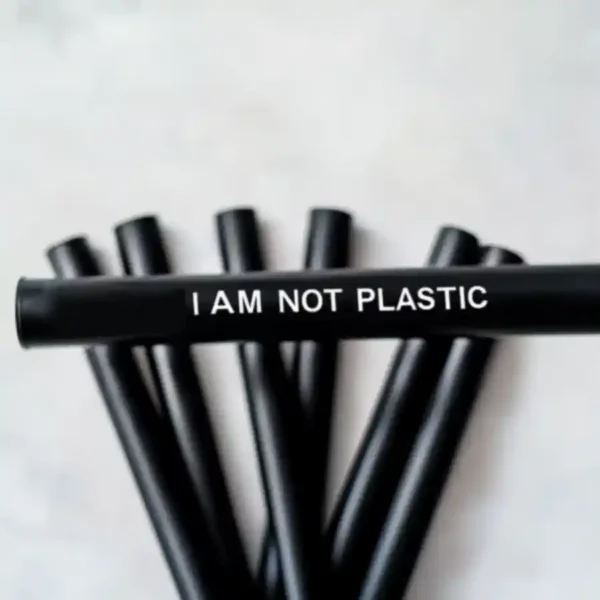
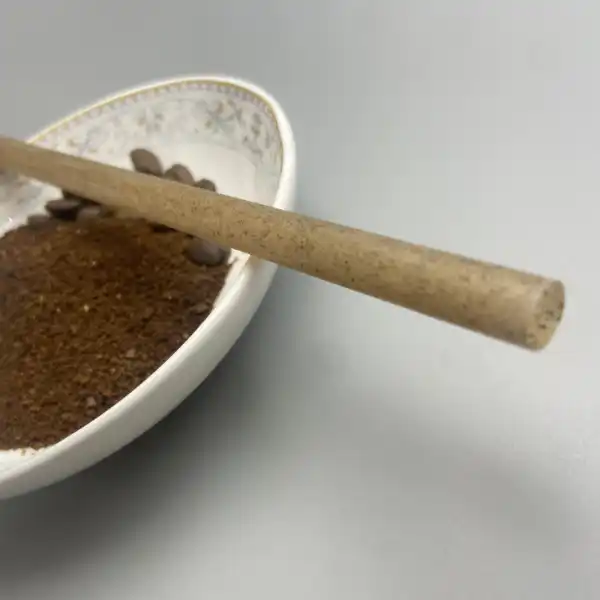
“Sugarcane straws turned fines into opportunity,” says Green Haven’s procurement lead. This guide explores their role in zero-waste strategies.

Why Sugarcane Straws Outshine Plastic
Impacto ambiental
Plastic straws—8.3 billion pollute coastlines yearly (UNEP)—contrast sharply with sugarcane’s benefits:
- Biodegradability: 12 weeks vs. 200+ years (2025 Bioplastics Council).
- Circularity: Made from bagasse, a sugarcane byproduct, reducing burn-off waste.
Durabilidade & Performance
Sugarcane straws last 24+ hours in drinks, matching plastic’s reliability (2025 ASTM Benchmarks). Farm-to-Table Co-op cut complaints 85% with bulk sourcing.
| Material | Durabilidade | Decomp Time | Pegada de carbono | Cost/1K |
|---|---|---|---|---|
| Cana -de -açúcar | 24+ hours | 12 weeks | -40% | $15 |
| Plastic | Indefinite | 200+ years | Baseline | $8 |
Case Study: Green Haven Café’s Turnaround
Green Haven Café’s switch to bulk sugarcane straws:
- Fines Avoided: $10k/year.
- Waste: 20% cut (4.5 tons).
- Satisfaction: 22% boost.
“Bulk suppliers made it scalable,” says their ops manager.
B2B Benefits of Sugarcane Straws
Cost Savings
At $0.015/unit (bulk), sugarcane straws save $5k-$12k/year in waste and fines. EcoResorts International cut costs 18% ($14k/year) with bulk orders (2025 NRA Report).
Conformidade regulatória
Fines hit $25k/month in 2025 (EU Directive). Sugarcane ensures compliance without operational hiccups.
Customer Appeal
80% of clients prefer eco-suppliers; 65% pay premiums (2025 EcoTrends).

Case Study: Farm-to-Table Co-op’s Efficiency
15 Portland restaurants saved $12k in 9 months:
- Waste: 3.5 tons diverted.
- Complaints: 85% reduction.
- Cost: 25% procurement savings.
“Cooperative bulk buying was key,” says their director.
Implementation Blueprint for B2B Buyers
1. Source from Bulk Suppliers
Partner with bulk sugarcane suppliers offering BPI certification and 35% discounts (50k+ units).
2. Educate Stakeholders
Use tabletop infographics: “200g CO₂ saved/straw” lifts uptake 40% (2025 SPI).
3. Track Metrics
Monitor waste diversion and ROI; Oceanfront Hotels saved $8k/quarter.

2025 B2B Trends
Key shifts for outer trade:
- 80% prefer eco-suppliers (2025 Trends Report).
- Bioplastics demand up 300% by 2027 (SPI).
- 73% of buyers factor sustainability (2025 Hospitality).
Case Study: EcoResorts International
EcoResorts cut costs 18% ($14k/year) with bulk sugarcane straws:
- Waste: 20% reduction.
- Contracts: 3 eco-conferences won.
“Sustainability sold our brand,” says their sustainability officer.

About the Author
Max Jiang, Sustainability Expert at NatureBioEco, advises B2B clients with 10+ years at UNEP. Contact: max@naturebioeco.com.
perguntas frequentes
Q: How long do sugarcane straws last?
A: 24+ hours in drinks, matching plastic (2025 ASTM). EcoResorts saw no durability issues.
Q: How do sugarcane straws cut waste?
A: They decompose in 12 weeks, reducing landfill waste 20% (2025 Waste Report). Green Haven diverted 4.5 tons.
Q: What’s the cost benefit for B2B?
A: $0.015/unit (bulk) saves $5k-$14k/year. Farm-to-Table Co-op cut costs 25% (2025 NRA).
Q: How do bulk suppliers support zero-waste?
A: Offer compostable options and discounts (35% off 50k+). Oceanfront saved $8k/quarter.
Q: What MOQs are available?
A: From 50k units, with scalable discounts (NatureBioEco). EcoResorts tailored 75k-unit orders.
Q: How do sugarcane straws align with 2025 regulations?
A: Avoid $10k-$25k fines (EU Directive). Green Haven saved $10k/year.
Q: How do they boost customer appeal?
A: 78% prefer eco-options; 65% pay premiums (2025 EcoTrends). EcoBar grew 15%.
Q: What’s the ROI timeline?
A: 6-9 months. Farm-to-Table Co-op saved $12k in 9 months (2025 Trends).
Ready for Zero-Waste?
Partner with bulk suppliers to cut costs and lead in 2025. Contact us now!