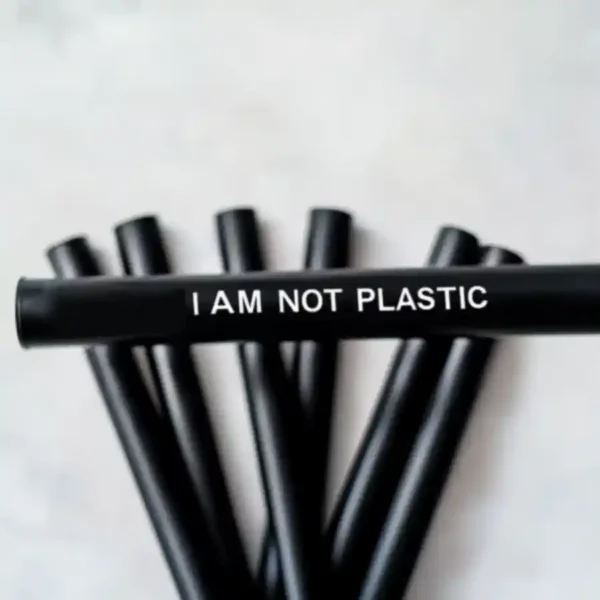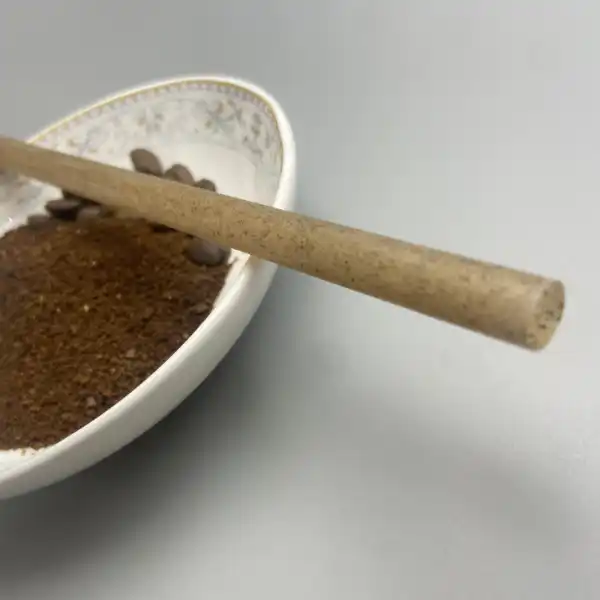
In an era of increasing environmental consciousness, businesses globally are on the hunt for innovative, sustainable solutions. As a purchasing or procurement manager, you are tasked with finding high-quality, cost-effective, and eco-friendly supplies to stay ahead of the competition. One such item under the spotlight is биоразлагаемые соломинки. So, are they truly biodegradable, and what impact do they have on our planet? Let’s dive in to uncover the truth.
Understanding Biodegradable Straws
В этом разделе мы углубимся в то, что такое биоразлагаемые соломинки, как они изготавливаются и материалы, используемые при их производстве. Мы также рассмотрим различные типы, в том числе соломинки на растительной основе, и их различия.
Are Biodegradable Straws Truly Biodegradable?
Здесь мы исследуем биоразлагаемость различных типов соломинок и изучим научные доказательства, лежащие в основе этих утверждений. Мы также обсудим условия, необходимые для биоразложения, и время, необходимое для разложения этих соломинок.
Biodegradable straws are designed to break down naturally over time, reducing the amount of waste that ends up in landfills and oceans. These eco-friendly alternatives to traditional plastic straws are made from renewable resources such as bamboo, reed, or wheat. The production process typically involves using natural materials like corn starch, sugarcane, or bagasse, which are biodegradable and non-toxic.
 Воздействие биоразлагаемых соломинок на окружающую среду
 Воздействие биоразлагаемых соломинок на окружающую среду
In this part, we’ll explore the environmental footprint of biodegradable straws, including their production process, disposal, and overall impact on the ecosystem compared to traditional plastic straws.
- Plant-Based Straws:
- Бамбуковая соломка: Made from bamboo, these straws are highly durable and compostable. They offer a sustainable alternative to plastic straws and can be used multiple times before being disposed of.
- Тростниковая соломка: Reed straws are biodegradable and compostable, making them an excellent option for those looking to reduce their environmental footprint.
- Пшеничная соломка: Made from wheat grass, these straws are biodegradable and provide a safe and convenient alternative for situations where reusable straws are not available or practical.
- Компостируемая соломинка:
- PLA (полилактивная кислота) соломинка: These bioplastics can take 2-6 months to decompose in ideal conditions but may last longer (up to 2 years) in landfill settings where oxygen is limited.
- Соломка из сахарного тростника: Made from sugarcane bagasse, these straws are 100% biodegradable and compostable, breaking down in food waste bins within a few weeks. They are eco-friendly and designed to resist sogginess while maintaining structure in various beverages.
- Marine-Degradable Straws:
- Specifically designed to break down in marine environments, potentially degrading within 8-20 months when exposed to seawater.
Cost and Quality Considerations
The cost-effectiveness and quality of biodegradable straws are critical factors for purchasing decisions. We’ll analyze these aspects, considering durability, usability, and how they compare with their non-biodegradable counterparts.
Finding the Right Suppliers
We’ll guide you on how to identify reliable, eco-friendly suppliers for biodegradable straws, ensuring they meet all the necessary quality and environmental standards. We’ll share tips on vetting potential suppliers and negotiating cost-effective deals. Check out our guide on how to choose eco-friendly suppliers Для получения дополнительной информации.
Заключение
В заключение мы суммируем ключевые моменты, касающиеся биоразлагаемости, воздействия на окружающую среду, стоимости, качества и поставщиков биоразлагаемых соломинок. Наша цель — предоставить вам необходимую информацию для принятия обоснованных решений о покупке, соответствующих целям вашей компании в области устойчивого развития. Мы закончим призывом к действию, призывающим читателей сделать следующий шаг к более экологичному будущему, рассматривая биоразлагаемые соломинки как жизнеспособную альтернативу в своей цепочке поставок.
In conclusion, biodegradable straws are indeed an eco-friendly alternative to traditional plastic straws. While they come with their own set of challenges and limitations, they offer numerous environmental benefits that make them an attractive option for businesses and individuals alike. By understanding the types of biodegradable straws available, their biodegradability, and their environmental impact, you can make informed decisions that align with your company’s sustainability goals. Join us in embracing a greener future by choosing biodegradable straws for your beverage needs. Read about more ways to green your business in our article on практика зеленого бизнеса.