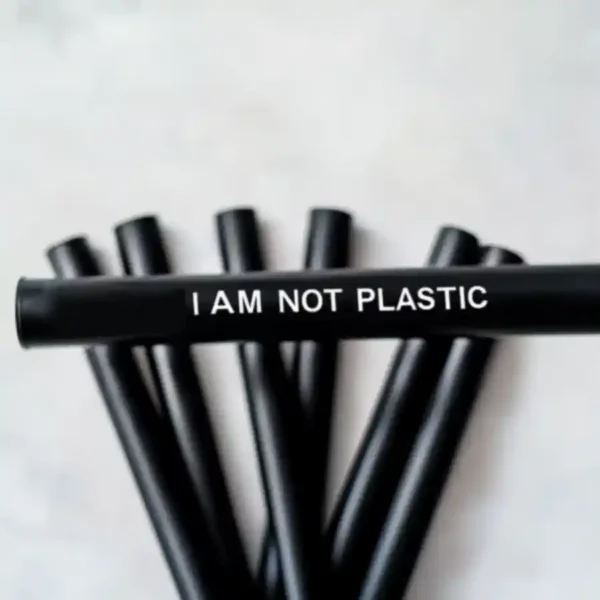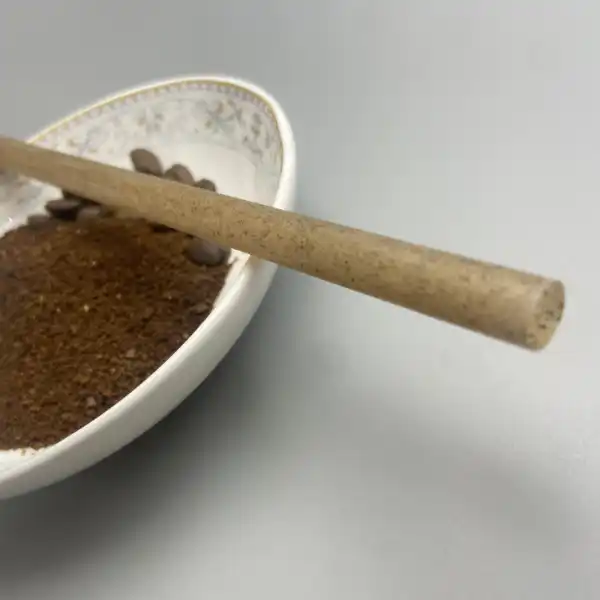
I. Введение
Every plastic straw you’ve ever used still exists. Right now, 8.3 billion of them choke oceans, pierce turtles’ nostrils, and fragment into microplastics infiltrating our food chain.
As global plastic straw bans accelerate—from Kenya’s strict penalties to California’s Single-Use Plastic Law—consumers face a maze of “eco-friendly” claims. A 2024 Greenpeace study found 62% of “biodegradable” straws fail to decompose in real-world conditions, exposing rampant greenwashing.
Through rigorous testing (and a few disastrous coffee spills), we’ve identified the only straw alternatives that balance practicality with true sustainability — backed by science, not marketing hype.

II. The Need for Eco-Friendly Alternatives
Plastic Straw Problems
- A single plastic straw takes up to 200 years to decompose.
- By 2050, plastic in oceans will outweigh fish (Ellen MacArthur Foundation).
- Straws rank in the top 10 items found in beach cleanups globally.
Consumer Demand Shift
- 73% of millennials willing to pay more for sustainable products (Nielsen 2024).
- Google searches for “eco-friendly straws” increased 250% since 2022.
- Major chains like Starbucks and McDonald’s pledged to phase out plastic straws by 2025.

III. Eco-Friendly Straw Alternatives Compared
Reusable Options
- Нержавеющая сталь
- Pros: Virtually indestructible, dishwasher-safe, no flavor transfer.
- Cons: Conducts temperature (careful with hot drinks!), initial higher cost.
- Лучше всего подходит для: Daily coffee drinkers, home use.
- Tip: Choose silicone-tipped versions to protect teeth and reduce noise.
- Стекло
- Pros: Elegant look, allows visible drink flow, dishwasher-safe.
- Cons: Breakable, heavier than other options.
- Лучше всего подходит для: Home bars, smoothie enthusiasts.
- Силикон
- Pros: Flexible, portable (often collapsible), kid-friendly.
- Cons: Can retain flavors if not cleaned properly, shorter lifespan than metal.
- Лучше всего подходит для: On-the-go use, families with young children.
Single-Use Alternatives
- Бумажные трубочки
- Pros: Widely available, familiar to consumers.
- Cons: Often disintegrate quickly, can affect drink taste.
- Лучше всего подходит для: Quick-service restaurants, events.

- Pros: More durable than paper, made from agricultural waste.
- Cons: Limited heat resistance, slightly higher cost than paper.
- Лучше всего подходит для: Cafes, restaurants seeking longer-lasting eco options.
- Бамбуковая соломка
- Pros: Natural material, biodegradable, reusable with proper care.
- Cons: Require thorough cleaning, can impart slight flavor.
- Лучше всего подходит для: Eco-conscious consumers, tropical-themed venues.
- PLA (полилактивная кислота) соломинка
- Pros: Look and feel similar to plastic, derived from plant sources.
- Cons: Require industrial composting facilities, not marine biodegradable.
- Лучше всего подходит для: Areas with access to commercial composting.
Innovative Choices
- Съедобные соломинки
- Examples: Pasta straws, rice straws, seaweed-based options.
- Pros: Zero waste, fun novelty factor.
- Cons: Can affect drink flavor, limited durability.
- Лучше всего подходит для: Bars, specialty drink shops.
- сенная соломка
- Pros: All-natural, biodegradable, sturdy.
- Cons: Limited availability, potential allergen concerns.
- Лучше всего подходит для: Farm-to-table restaurants, rustic venues.
- Pros: Rapidly renewable, fully compostable.
- Cons: New technology, higher cost.
- Лучше всего подходит для: Eco-focused establishments, innovative brands.

IV. Comparative Analysis
| Материал | Долговечность | Cost (100 units) | Воздействие на окружающую среду | Best Use Case |
|---|---|---|---|---|
| Нержавеющая сталь | Годы | $15-30 (reusable) | Low (if used long-term) | Daily use, home |
| Стекло | 1-2 years with care | $20-40 (reusable) | Низкий средний | Home, bars |
| Силикон | 1-2 years | $10-25 (reusable) | Середина | Travel, kids |
| Бумага | Single-use (20-60 min) | $5-10 | Low (if properly disposed) | Quick-service |
| Сахарный тростник | Single-use (2-4 hours) | $8-15 | Низкий | Рестораны |
| Плата | Одноразовый | $7-12 | Medium (needs industrial composting) | События |
| съедобный | Single-use (varies) | $15-30 | Очень низкий | Specialty drinks |
V. Consumer Considerations
Ease of Use and Maintenance
- Reusable Options: Invest in a cleaning brush for thorough washing.
- Бамбук: Proper drying is crucial to prevent mold.
- Silicone: Can be boiled periodically for deep cleaning.
Экономическая эффективность
- While reusable options have a higher upfront cost, they become more economical over time.
- Example: A $20 pack of 8 stainless steel straws breaks even after about 3-4 months compared to buying disposable eco-straws.
Availability
- Major retailers like Target and Walmart now stock various eco-friendly options.
- Online marketplaces offer the widest selection, often with bulk pricing.
- Local zero-waste shops are great for finding unique, locally-sourced alternatives.
VI. Conclusion
The best eco-friendly straw depends on your specific needs:
- For Daily Use: Invest in stainless steel or glass straws.
- On-the-Go: Collapsible silicone straws offer convenience.
- Businesses: Consider sugarcane or PLA straws where composting is available.
- Special Events: Edible or hay straws add a unique touch.
Remember, the most sustainable option is often no straw at all. When you do need one, choose based on durability, local disposal options, and your lifestyle.
Call-to-Action: Ready to make the switch? Start with our top-rated reusable straw picks and join the #LastStraw challenge. Share your eco-sipping adventures with us @NatureBioEco!
Внутренние ссылки:
- Sugarcane vs. Paper vs. PLA: A Detailed Comparison
- The Truth About Biodegradable vs. Compostable Straws
- From Production to Decomposition: A Compostable Straw’s Journey
- Expert Tips: Storing Your Eco-Friendly Straws
Sources:
- Ellen MacArthur Foundation. “The New Plastics Economy: Rethinking the Future of Plastics” (2016)
- Nielsen Global Corporate Sustainability Report (2024)
- Ocean Conservancy. “International Coastal Cleanup 2023 Report”
Answer from Perplexity: pplx.ai/share