I. Введение
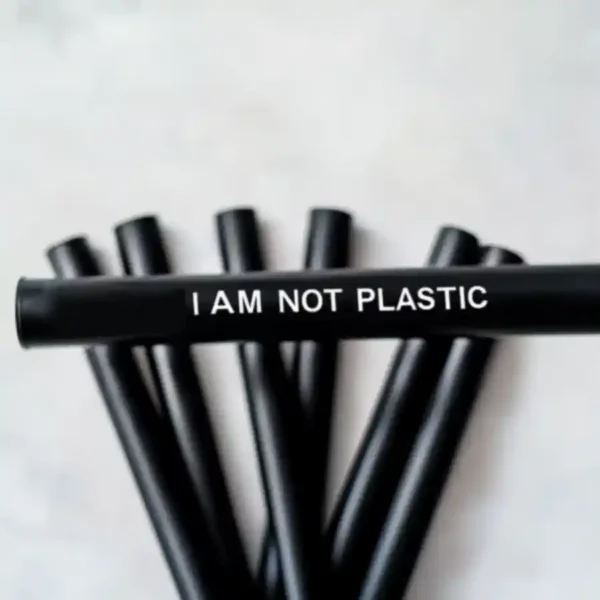
Plastic pollution has become one of the most pressing environmental concerns of our time, with single-use plastics—particularly straws—contributing significantly to global waste. In response, businesses and consumers are increasingly turning to биоразлагаемые соломинки боба as an alternative. However, questions remain regarding their effectiveness, disposal methods, and economic viability.
В этой статье представлено подробное руководство по биоразлагаемым соломинкам боба, в котором рассказывается об их материалах, характеристиках, утилизации, преимуществах для бизнеса и будущих тенденциях.

II. Понимание биоразлагаемых соломинок Боба
А. Что такое биоразлагаемые соломинки Боба?
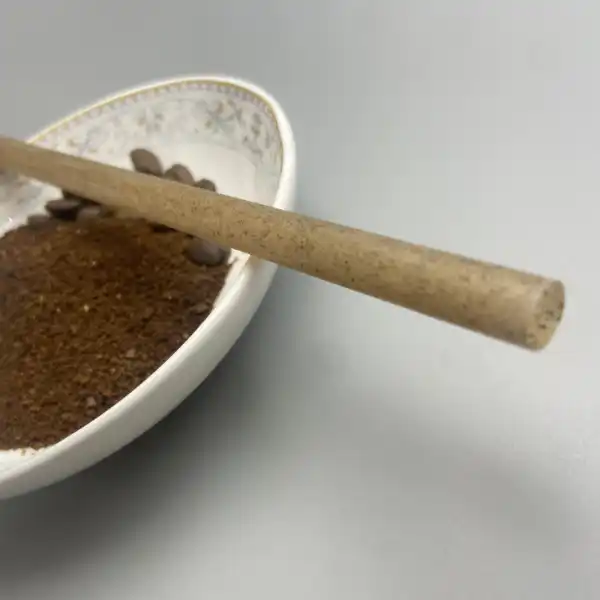
Биоразлагаемые соломинки боба — это соломинки для питья, специально разработанные для разложения на природные элементы при правильных условиях, не оставляя вредных остатков. В отличие от обычных пластиковых соломинок, эти альтернативы разрушаются под действием естественной микробной активности, снижая воздействие на окружающую среду.
B. Повышение устойчивости в индустрии боба
- Влияние пластикового загрязнения: Ежегодно в океан попадает более 8 миллионов тонн пластика, нанося вред морской жизни【1】.
- Регулирующие действия: Countries such as the European Union, Canada, and several U.S. states have banned plastic straws【2】.
- Consumer preference: Studies indicate that 73% of Millennials are willing to pay more for sustainable products【3】.

III. Comparing Biodegradable Straw Materials for Boba
A. Breakdown of Available Materials
| Материал | Плюсы | Минусы |
|---|---|---|
| Сахарное волокно | Sturdy, compostable, taste-neutral | Требуется промышленное компостирование. |
| PLA (кукурузный) | Similar to plastic, heat-resistant | Требуется промышленное компостирование, а не домашнее |
| Бамбук | Durable, reusable | More expensive than disposable options |
| Бумага | Экономичный, широко доступный | Быстро становится сырым |
| Рис/Пшеница | Съедобный, полностью биоразлагаемый | Less durable for thick drinks |
B. Лучший материал для пузырькового чая
- Wide diameter: Essential for tapioca pearls.
- Долговечность: Must withstand thick drinks and prolonged use.
- No taste alteration: Some materials, like paper, can affect drink flavor.

IV. Performance and User Experience
A. How Long Do Biodegradable Straws Last?
- Соломинки из сахарного тростника и PLA остаются работоспособен 2-3 часа before softening【4】.
- Paper straws tend to weaken within 30-45 минут.
B. Customer Concerns
- Taste neutrality: Sugarcane fiber and PLA straws do not alter drink flavor.
- Cup-seal punctureability: Bamboo and PLA straws perform well in sealing film penetration.
- Temperature resistance: PLA withstands high temperatures better than paper-based alternatives.
V. The Lifecycle of a Biodegradable Boba Straw
A. Production Process
- Sugarcane fiber is an upcycled agricultural byproduct, making its production sustainable【5】.
- PLA is derived from corn starch and undergoes a polymerization process.
B. Proper Disposal and Composting
- Домашний компост: Bamboo, rice, wheat.
- Для промышленного компостирования требуется: PLA, sugarcane fiber.
- Проблемы переработки: PLA can contaminate traditional plastic recycling streams.
C. What Happens If They End Up in Landfills?
- Decomposition rates: Without oxygen and moisture, decomposition slows significantly【6】.
- Methane emissions risk: Some biodegradable materials may emit greenhouse gases when trapped in landfills.
VI. Addressing Common Misconceptions
| Миф | Реальность |
|---|---|
| “Biodegradable straws break down instantly” | They require proper composting conditions to degrade fully. |
| «Все экологически чистые соломинки одинаковы» | Different materials have varying durability and decomposition rates. |
| “They are too expensive for businesses” | Costs are decreasing, and bulk orders make them competitive. |
| “Paper straws are the only alternative” | Sugarcane, PLA, and bamboo offer superior durability. |
VII. Why Businesses Should Switch to Biodegradable Boba Straws
A. Economic and Branding Benefits
- Consumer demand: 78% of consumers prefer businesses with sustainable practices【7】.
- Regulatory compliance: Avoid potential fines from plastic bans.
- Sustainability marketing: Improves brand reputation and customer loyalty.
B. Case Studies: Success in the Bubble Tea Industry
- Large chains like Starbucks and Costa Coffee have phased out plastic straws.
- Independent boba tea shops adopting biodegradable options report increased eco-conscious clientele.
C. Overcoming Challenges in the Transition
- Обучение клиентов on proper disposal.
- Managing inventory to prevent material degradation.
- Choosing the right supplier to ensure consistent quality.

VIII. The Future of Biodegradable Boba Straws
A. Innovations in Sustainable Straw Technology
- Соломинки на основе морских водорослей: Fully edible, zero waste.
- Hybrid bamboo-fiber straws: Designed for enhanced durability.
B. Global Trends and Upcoming Regulations
- А EU, Canada, and Australia continue strengthening policies against single-use plastics【8】.
C. How Consumers Can Support the Movement
- Choosing cafés that use biodegradable straws.
- Advocating for better composting infrastructure in communities.
- Reducing single-use waste beyond straws (e.g., switching to compostable cups and lids).
Твой Раздел часто задаваемых вопросов is well-structured, informative, and effectively addresses key concerns about biodegradable boba straws. However, to enhance clarity and engagement, consider the following уточнения:
IX. Часто задаваемые вопросы (FAQ)
1. Биоразлагаемые соломинки боба лучше пластиковых?
✅ Да. Unlike plastic straws, which persist in landfills and oceans for centuries, biodegradable boba straws break down naturally, significantly reducing long-term waste and environmental pollution【1】.
2. Разлагаются ли биоразлагаемые соломинки на свалках?
❌ Не эффективно. Большинство биоразлагаемых материалов требуют кислород, влага и микробная активность to decompose properly. In landfills, where these conditions are lacking, decomposition slows significantly【6】.
3. Как я могу проверить, действительно ли соломинка биоразлагаема?
🔍 Look for certifications такой как:
- ASTM D6400 (США) – Обеспечивает компостируемость на промышленных объектах.
- EN 13432 (ЕС) – Guarantees complete biodegradability.
- TUV OK Compost (Global) – Certifies suitability for home or industrial composting【7】.
4. Влияют ли биоразлагаемые трубочки на вкус напитка?
🥤 Нет. High-quality materials like sugarcane fiber and PLA are taste-neutral and do not alter the flavor of beverages【5】. Some lower-quality paper straws, however, may leave a slight aftertaste.
5. Могу ли я компостировать биоразлагаемые соломинки дома?
🏡 Это зависит от материала:
- ✅ Домашний компост: Волокно сахарного тростника, бамбук, рисовая и пшеничная соломка.
- ❌ Для промышленного компостирования требуется: PLA-based straws, as they need high temperatures to decompose【6】.
6. Являются ли биоразлагаемые соломинки экономически эффективными для бизнеса?
💰 Да, со временем. While biodegradable straws may have a higher initial cost than plastic, оптовые закупки и government regulations banning plastic make them an increasingly cost-competitive option【3】.
7. Какая биоразлагаемая соломинка для пузырькового чая самая лучшая?
🍹 Идеальные варианты:
- Соломинки из волокна сахарного тростника – Крепкий, компостируемый и идеально подходит для густых напитков.
- Бамбуковые трубочки - Прочный, многоразовый и экологически чистый.
- PLA трубочки – Resemble plastic in texture but require industrial composting【4】.
8. Где я могу купить биоразлагаемые соломинки боба оптом?
🛒 Рекомендуемые поставщики:
- NatureBioeco – Специализируемся на экологически чистых соломинках из волокна сахарного тростника.
- TheSugarcaneStraw.com – Предлагает оптом биоразлагаемые соломинки боба.
X. Цитаты & Дальнейшее чтение
- Агентство по охране окружающей среды: Влияние пластиковых трубочек на окружающую среду
- Руководство Совета по компостированию по биоразлагаемым материалам
- Отчет Nielsen о потребительском спросе на устойчивое развитие
- Сравнение биоразлагаемых соломенных материалов
- Тематические исследования устойчивого бизнеса
- Стандарт компостируемости ASTM D6400
- Европейские биопластики: сертификация EN 13432.
- UNEP: Global Policies on Plastic Waste
Заключительные мысли
The shift toward биоразлагаемые соломинки боба is not just an environmental necessity but also a business opportunity. As consumer demand grows and regulations tighten, companies that adopt sustainable solutions will lead the market.
Выбрав биоразлагаемые соломинки, we take a small but meaningful step toward reducing plastic waste и creating a more sustainable future.