Введение: Растущий спрос на экологически чистые соломинки
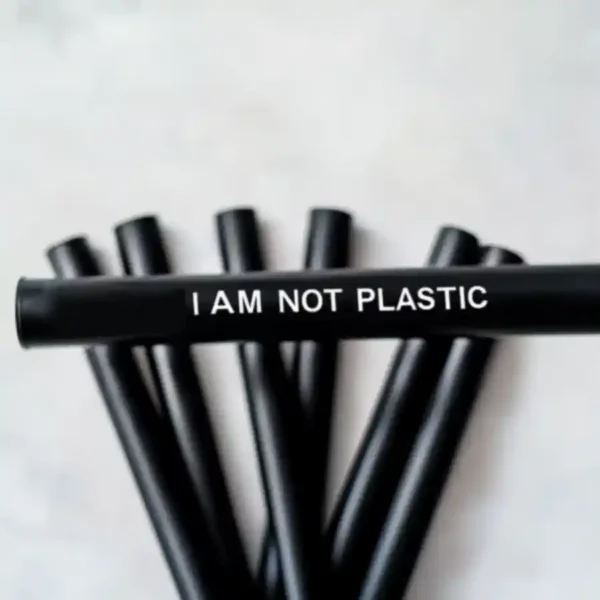
Поскольку экологические проблемы, связанные с пластиковыми отходами, продолжают расти, потребители и предприятия обращаются к более устойчивым альтернативам. Пластиковые трубочки, когда-то повсеместно встречавшиеся в ресторанах и кафе, теперь являются основным источником загрязнения, особенно в морской среде. В результате спрос на биоразлагаемые альтернативы резко возрос. Среди них соломка из сахарного тростника стали ведущим экологически чистым решением. Предлагая как экологические преимущества, так и практическое удобство использования, трубочки из сахарного тростника меняют наше представление об одноразовых продуктах. В этом блоге рассказывается, почему соломинки из сахарного тростника являются отличным выбором как для бизнеса, так и для потребителей, их преимущества перед другими альтернативами и способы их успешного внедрения.

1. Что такое соломинка из сахарного тростника?
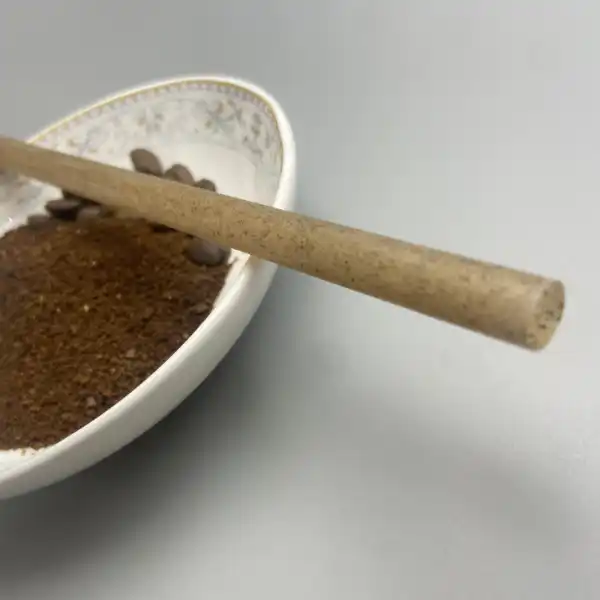
Определение: Соломинка сахарного тростника изготавливается из волокна стеблей сахарного тростника, которое является побочным продуктом процесса производства сахара. Этот возобновляемый материал растительного происхождения представляет собой экологически чистую альтернативу традиционным пластиковым соломинкам.
Состав: В отличие от пластика, разложение которого может занять сотни лет, соломинки из сахарного тростника 100% компостируемый. Они разрушаются естественным путем внутри 12-16 месяцев в надлежащих условиях компостирования, что делает их идеальным вариантом для предприятий, стремящихся уменьшить воздействие на окружающую среду.
Производственный процесс: Производство соломинки из сахарного тростника предполагает использование волокнистого побочного продукта сахарного тростника. Этот процесс не только помогает сократить количество отходов, но и сводит к минимуму воздействие на окружающую среду, обычно связанное с производством пластмасс.

2. Почему стоит выбрать соломку из сахарного тростника? Преимущества для бизнеса и потребителей
Воздействие на окружающую среду: Одной из основных причин перехода на соломку из сахарного тростника является ее значительное положительное воздействие на окружающую среду. Заменив пластик трубочками из сахарного тростника, предприятия могут значительно сократить свой вклад в пластическое загрязнение. Соломинки из сахарного тростника разлагаются естественным путем, в отличие от пластиковых соломинок, на разложение которых могут уйти столетия.
Устойчивое развитие: Сахарный тростник — это быстрорастущий возобновляемый ресурс, требующий гораздо меньше ресурсов, таких как земля, вода и энергия, по сравнению с такими альтернативами, как бумага. Кроме того, соломинки сахарного тростника производятся как побочный продукт сахарной промышленности, а это означает, что они помогают минимизировать отходы и поддерживают циркулярная экономика.
Здоровье и безопасность: Соломинки из сахарного тростника одобрен FDA и не содержат вредных химикатов, что делает их безопасным вариантом для потребителей. В отличие от пластиковых соломинок, которые могут выделять химические вещества в пищу или напитки, соломинки из сахарного тростника нетоксичный и безопасен для контакта с пищевыми продуктами.
Практические преимущества: Соломинки из сахарного тростника прочные, долговечные и подходят для различных напитков. В отличие от бумажных трубочек, которые могут быстро намокнуть и потерять свою структурную целостность, трубочки из сахарного тростника сохраняют свое качество и эффективность как в холодных, так и в слегка теплых напитках.
3. Сравнение соломинки сахарного тростника с другими экологически чистыми альтернативами
| Материал | Биоразлагаемость | Устойчивое развитие | Долговечность | Вкус/запах | Расходы |
|---|---|---|---|---|---|
| Сахарный тростник | Отлично (12-16 месяцев) | Возобновляемый | Хороший | Нейтральный | Умеренный |
| Пластик | Очень плохо (века) | Невозобновляемый | Высокий | Может повлиять на вкус | Низкий |
| Бумага | Хорошо (несколько недель) | Устойчивое развитие (при ответственном подходе) | Умеренный (может смягчиться) | Может повлиять на вкус | Умеренный |
| Бамбук | Хорошо (несколько месяцев) | Возобновляемый | Умеренный | Нейтральный | Умеренный |
Соломинки из сахарного тростника представляют собой сбалансированное сочетание биоразлагаемость, устойчивость, и долговечность, сохраняя при этом нейтральный вкус и запах, в отличие от альтернатив бумаги или бамбука, которые могут изменить вкус напитков.
4. Путь к устойчивому развитию: от полей сахарного тростника к соломе
Сахарный тростник – это углерод-отрицательный урожай, то есть он поглощает больше углекислого газа, чем производит. На этапе роста сахарный тростник улавливает углерод и помогает смягчить воздействие выбросов парниковых газов на окружающую среду. Процесс производства соломинок из сахарного тростника также обеспечивает минимальное воздействие на окружающую среду. При их производстве не используются вредные химические вещества, что делает их более чистой и экологичной альтернативой пластику.
А анализ жизненного цикла показывает, что соломинка из сахарного тростника имеет значительно меньший углеродный след по сравнению с пластиком, который в значительной степени зависит от нефти и энергоемких методов производства.
5. Проблемы при внедрении соломинки из сахарного тростника
Несмотря на многочисленные преимущества, существует несколько проблем, связанных с использованием соломинки из сахарного тростника:
- Разница в цене: Соломинки из сахарного тростника обычно стоят дороже, чем традиционные пластиковые трубочки, что может сдерживать чувствительные к ценам предприятия, особенно в сфере общественного питания.
- Доступность: В некоторых регионах доступность соломинки сахарного тростника ограничена, что может затруднить оптовые закупки для предприятий, желающих перейти на эту альтернативу.
- Образование и осведомленность: Часто отсутствует понимание экологических и практических преимуществ соломинки из сахарного тростника. И предприятия, и потребители могут не до конца осознавать, как переход на соломинки из сахарного тростника может способствовать сокращению пластиковых отходов.
6. Лучшие практики для бизнеса: как перейти на соломку из сахарного тростника
Предприятиям, желающим перейти на соломку из сахарного тростника, следует рассмотреть следующие передовые методы:
- Проведите анализ затрат и выгод: Оценить долгосрочные преимущества перехода на соломинки из сахарного тростника, включая потенциальную экономию затрат на утилизацию отходов и улучшение имиджа бренда за счет его экологичности.
- Покупка оптом: Оптовые закупки могут помочь снизить стоимость единицы продукции, делая соломку из сахарного тростника более доступной для бизнеса.
- Кастомизация: Многие производители предлагают предприятиям варианты индивидуальной настройки, позволяющие добавить свой бренд на соломинки из сахарного тростника. Это может помочь активизировать усилия по обеспечению устойчивого развития и донести до клиентов экологические ценности бренда.
- Обучайте сотрудников и клиентов: Поощряйте предприятия информировать как сотрудников, так и клиентов об экологических преимуществах соломинки сахарного тростника и о том, как правильно ее утилизировать.

7. Будущее соломинки сахарного тростника: тенденции и инновации
Поскольку запрет на использование пластика становится все более распространенным, ожидается, что спрос на биоразлагаемые соломинки, такие как сахарный тростник, будет расти. Этот спрос также подпитывается растущим глобальным движением к более устойчивым практикам. Прогнозы рынка предполагают, что рынок биоразлагаемых продуктов будет продолжать расти, поскольку потребители все чаще ищут растительные решения.
Также появляются инновации в области биоразлагаемых материалов. Например, будущие разработки могут привести к съедобные покрытия для соломинок или гибридных материалов, в которых сахарный тростник сочетается с другими растительными волокнами для дополнительной прочности и функциональности.
8. Как правильно утилизировать соломку сахарного тростника
В идеале трубочки из сахарного тростника должны быть компостированный в любом Коммерческие установки для компостирования или домашние контейнеры для компоста где доступно. Хотя в основном они подлежат компостированию, предприятия могут сотрудничать с местными службами по управлению отходами, чтобы обеспечить соблюдение правильных методов утилизации.
Поскольку соломинки сахарного тростника изготавливаются из возобновляемых материалов, при правильной утилизации они вносят положительный вклад в экономику замкнутого цикла.
9. Часто задаваемые вопросы (FAQ)
- Являются ли сахарные соломки биоразлагаемые? Да, солома сахарного тростника разлагается естественным путем в течение 12–16 месяцев в условиях компостирования.
- Можно ли их использовать для горячих напитков? Хотя соломинки из сахарного тростника лучше всего подходят для холодных напитков, они подходят и для слегка теплых напитков, но не рекомендуются для очень горячих жидкостей.
- Безопасны ли они для детей? Да, трубочки из сахарного тростника нетоксичны и одобрены FDA, что делает их безопасным выбором для детей.
10. Заключение: почему трубочки из сахарного тростника — это будущее экологически чистого питья
В заключение отметим, что трубочки из сахарного тростника представляют собой отличную альтернативу традиционным пластиковым трубочкам, предлагая сочетание экологические преимущества, долговечность, и практическое удобство использования. Перейдя на соломку из сахарного тростника, предприятия могут повысить свою эффективность. усилия по устойчивому развитию, сократить количество пластиковых отходов и удовлетворить растущую базу экологически сознательные потребители. Поскольку все больше регионов вводят запрет на использование пластика, а спрос на биоразлагаемые продукты растет, соломинка из сахарного тростника может стать ключевым игроком в переходе к более устойчивым решениям.