Устойчивые решения для упаковки B2B для пластического запрета Гонконга


Picture this: It’s a busy Friday night at your Hong Kong restaurant. The dining room is packed, takeaway orders are streaming in, and your staff is hustling to keep up. But there’s a problem—your regular plastic containers and utensils are now non-compliant with Hong Kong’s plastic ban legislation, putting you at risk of significant fines and damage to your brand’s reputation.
Этот сценарий разыгрывается по всему Гонконгу, поскольку предприятия пытаются адаптироваться к амбициозным правилам сокращения использования пластика на этой территории. Первая фаза запрета на использование пластика в Гонконге вступила в силу в апреле 2023 года, запретив одноразовые контейнеры из пенополистирола (EPS) и пластиковые трубочки, что вызвало беспокойство среди ресторанов, отелей, кафе и поставщиков общественного питания по всему региону.
Следующий этап, который начнется в конце 2025 года, расширит запрет и включит в него другие одноразовые пластиковые предметы, такие как столовые приборы, тарелки и чашки, что создаст еще более острую проблему для бизнеса. По данным Департамента охраны окружающей среды, предприятиям, уличенным в нарушении этих правил, грозит штраф до 100 000 гонконгских долларов и шесть месяцев тюремного заключения — последствия, которые ни один бизнес не может себе позволить игнорировать.
Изучите комплексные решения по запрету пластика в Гонконге которые не только обеспечивают соблюдение требований, но и повышают эко-сертификаты вашего бренда. Переход от обычных пластиков к экологичным альтернативам не должен быть непосильным или дорогостоящим. При правильном поставщике и стратегическом подходе предприятия могут превратить эту нормативную проблему в убедительное конкурентное преимущество.
Гонконг присоединяется к глобальному движению. Более 127 стран мира приняли те или иные законы, ограничивающие использование одноразового пластика, что отражает фундаментальный сдвиг в том, как должен работать бизнес. Дальновидные компании осознают, что раннее внедрение экологичной упаковки — это не просто соблюдение требований, а позиционирование своих брендов на переднем крае экологической ответственности.
Для предприятий, работающих на конкурентном рынке Гонконга, поиск экономически эффективных, надежных и действительно устойчивых альтернатив стал важнейшим приоритетом. Давайте рассмотрим, как можно успешно пройти этот переход, сохраняя при этом операционную эффективность и даже улучшая качество обслуживания клиентов.
Regulatory Compliance: Certifications for Hong Kong Plastic Ban Sustainability

При поиске устойчивых альтернатив для удовлетворения требований Гонконга по запрету пластика сертификация имеет значение — не только для соблюдения требований, но и для надежности и доверия потребителей. Согласно недавнему отраслевому опросу, 73% потребителей Гонконга теперь проверяют наличие экологических сертификатов при оценке заявлений бизнеса об устойчивом развитии.
The regulatory landscape can be complex, but understanding key certifications can simplify your decision-making proces:
**Сертификация FDA**: Управление по контролю за продуктами и лекарствами certification ensures that materials coming into contact with food meet stringent safety standards. This is non-negotiable for food service businesses transitioning away from conventional plastics.
**LFGB Certification**: This German food-safe standard is even more stringent than FDA requirements and is highly respected globally, providing additional assurance of product safety.
**Home Compostability Certification**: Unlike industrial compostability, home compostable packaging breaks down completely in home composting conditions, typically within 180 days. This certification addresses a critical gap in Hong Kong, where industrial composting infrastructure is still developing.
A revealing case example comes from The Peninsula Hong Kong, which switched to certified compostable packaging for its takeaway operations in 2022. After initial concerns about costs and performance, they reported not only full compliance with regulations but also a 12% increase in customer satisfaction scores related to their sustainability efforts.
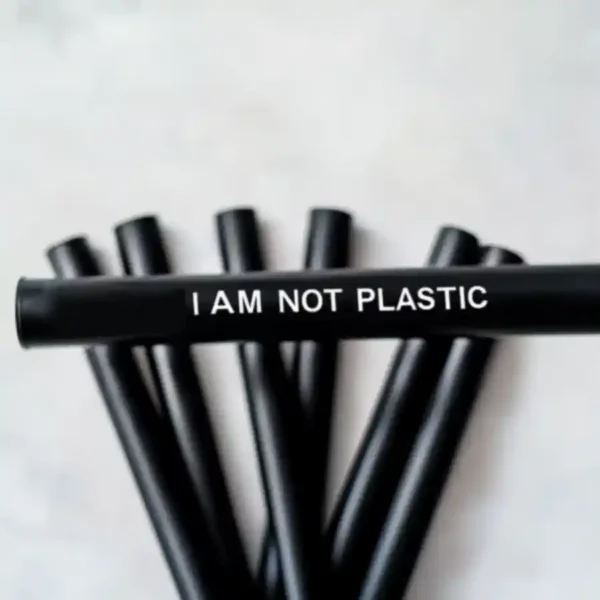
Discover FDA-certified alternatives to plastic straws that meet both regulatory requirements and customer expectations. Working with suppliers who provide properly certified products eliminates the guesswork and risk associated with the transition to sustainable packaging.
How Hong Kong Plastic Ban Sustainability Compares to Other Eco Alternatives

Not all eco-friendly alternatives are created equal, especially when evaluating their performance in Hong Kong’s unique climate and busines environment. Let’s compare the options:
| Материал | Долговечность | Теплостойкость | Moisture Resistance | Компостируемость | Relative Cost | Hong Kong Compliance |
|---|---|---|---|---|---|---|
| ——-- | ———— | —————– | ——————— | ————- | ———— | ——————-- |
| PLA (на основе кукурузы) | Умеренный | Low (55°C) | Хороший | Только промышленное | +10-15% | Temporary |
| Bagasse (Sugarcane) | Высокий | Excellent (100°C) | Very Good | Дом & Промышленный | +15-20% | Full |
| Bamboo Fiber | Высокий | Excellent (100°C) | Хороший | Дом & Промышленный | +20-30% | Full |
| PBAT/PHA Blends | Умеренный | Moderate (70°C) | Отличный | Дом & Промышленный | +25-35% | Full |
| Paper (Coated) | Низкий | Low (65°C) | Poor without coating | Varies by coating | +5-10% | Varies by coating |
A significant advantage of high-quality compostable materials like bagasse is their performance in practical applications. In a comparative field test conducted in Hong Kong’s summer conditions, bagasse containers maintained structural integrity in 85% humidity and 32°C temperatures for over 4 hours—outperforming conventional plastics in terms of leakage prevention.
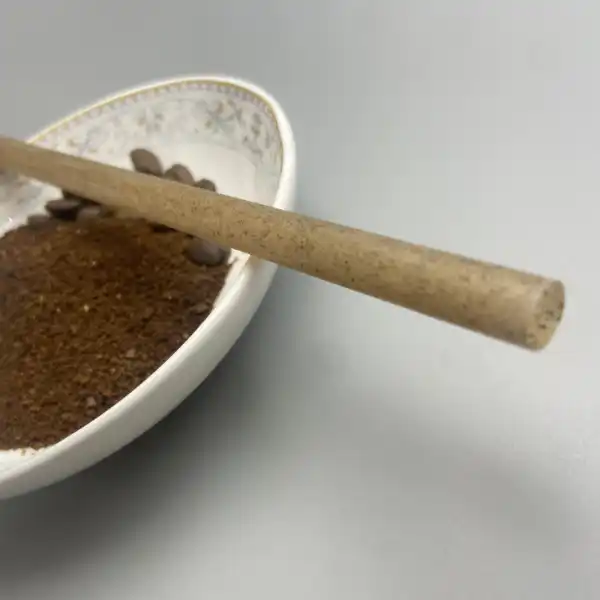
Explore sustainable coffee straw solutions that perform reliably even with hot beverages. The technical performance of your sustainable packaging matters just as much as its environmental credentials.
Для предприятий, обеспокоенных функциональностью экологических альтернатив, современные передовые материалы предлагают сопоставимые или превосходящие характеристики по сравнению с традиционными пластиками. Ведущие гостиничные группы Гонконга обнаружили, что удовлетворенность гостей фактически возросла после перехода на высококачественные устойчивые альтернативы, бросив вызов заблуждению о том, что экологичность означает более низкое качество.
Top Busines Benefits of Switching to Hong Kong Plastic Ban Sustainability

Соблюдение запрета на использование пластика в Гонконге заключается не только в том, чтобы избежать штрафов — оно создает ощутимую ценность для бизнеса. Согласно опросу Nielsen 2023 года, 64% потребителей Гонконга готовы платить на 5–10% больше за продукты с экологически чистой упаковкой.
**Повышение репутации бренда**. На сегодняшнем экологически сознательном рынке видимые обязательства по устойчивому развитию напрямую трансформируются в ценность бренда. Компании, которые активно внедряют экологически чистую упаковку, позиционируют себя лидерами отрасли, а не последователями нормативных требований.
**Лояльность клиентов и привлечение**: Экологичные трубочки для коктейлей. и другие видимые устойчивые решения сигнализируют клиентам о ваших ценностях. Потребители в Гонконге все чаще принимают решения о покупке в соответствии с экологическими ценностями, а экологичная упаковка создает положительный опыт в их опыте.
**Экономия затрат за счет оптовых закупок**. Хотя экологичные альтернативы могут иметь более высокие удельные затраты, стратегические оптовые закупки могут значительно снизить эту надбавку. Многие компании в Гонконге сообщают о разнице в затратах всего в 8-12% при заказе оптимизированных количеств, а некоторые достигают паритета затрат за счет улучшения управления запасами.
**Налоговые льготы и гранты**: правительство Гонконга предлагает налоговые льготы на экологически устойчивое оборудование и материалы. Предприятия могут вычесть до 500 000 гонконгских долларов из приемлемых экологических расходов, эффективно субсидируя переход.
**Waste Disposal Savings**: As landfill charges increase in Hong Kong, businesses generating les non-recyclable waste see direct operational savings. One mid-sized restaurant chain reported a 22% reduction in waste management costs after switching to compostable packaging.
**Competitive Differentiation**: Early adopters of sustainable packaging gain first-mover advantage in their market segments. This differentiation is particularly valuable in Hong Kong’s crowded hospitality and food service sectors.
Environmental Impact: Why Hong Kong Plastic Ban Sustainability Wins

The environmental case for sustainable packaging in Hong Kong is compelling. According to the Environmental Protection Department, Hong Kong disposes of more than 2,000 tonnes of plastic waste daily—with single-use food packaging contributing approximately 30% of this volume.
Home compostable packaging offers a genuine solution to this crisis. Unlike conventional plastics that persist for centuries, properly certified compostable materials break down into non-toxic components within months. The Программа окружающей среды Организации Объединенных Наций identifies biodegradable and compostable materials as critical to addressing plastic pollution when properly managed.
The carbon footprint advantages are equally significant. Life cycle assessments show that bagasse-based packaging produces 75% fewer greenhouse gas emissions compared to polyethylene alternatives. For a medium-sized Hong Kong restaurant serving 500 meals daily, switching to sustainable packaging can prevent the equivalent of 3.2 tonnes of CO2 from entering the atmosphere annually—equivalent to planting 150 trees.
Discover how sugarcane straws contribute to sustainability goals through their impressively low carbon footprint. Beyond carbon, sustainable packaging addresses Hong Kong’s acute landfill crisis. With limited space for waste disposal, materials that can break down naturally rather than occupying landfill space indefinitely represent a crucial part of the territory’s waste management strategy.
By choosing home compostable packaging, Hong Kong businesses contribute to closing the loop in the materials economy rather than perpetuating the linear “take-make-dispose” model that has created the current pollution crisis.
Case Study: Hong Kong Plastic Ban Sustainability Succes in Action

**The Green Spoon Collective: From Compliance Challenge to Competitive Advantage**
When Hong Kong’s initial plastic ban phase was announced, The Green Spoon—a collective of five mid-sized restaurants in Central and Wan Chai—faced a significant operational challenge. Their takeaway busines had grown to represent 35% of revenue during the pandemic, all served in conventional plastic packaging.
Rather than making the minimum changes needed for compliance, The Green Spoon’s management decided to undertake a comprehensive sustainability overhaul. Working with NatureBioEco, they replaced their entire single-use inventory with certified home compostable alternatives—from takeaway containers to eco-friendly coffee straws for their cafe operations.
The initial investment was 18% higher than their previous packaging costs, but the results were remarkable:
- 94% of customers surveyed responded positively to the change
- Social media mentions increased by 64% in the three months following implementation
- Staff reported higher job satisfaction, with the sustainability initiative cited as a key factor
- After six months, takeaway orders increased by 22%, directly attributed to the eco-friendly packaging through customer surveys
The most revealing metric came from their bottom line—despite the higher unit cost of sustainable packaging, The Green Spoon’s overall profitability increased by 7.5% due to higher sales volume and improved customer retention.
As their Operations Director noted: “What started as a compliance headache became our biggest marketing advantage of the year. The key was working with the right supplier who understood our busines needs, not just selling us products.”
Часто задаваемые вопросы
- What items are included in Hong Kong’s plastic ban phases?
- Phase 1 (effective April 2023) prohibits disposable EPS containers and plastic straws. Phase 2 (starting late 2025) will extend to other single-use plastic items including cutlery, plates, cups, and food containers. Get detailed information on Hong Kong’s plastic ban phases to ensure your busines stays ahead of compliance deadlines.
- How much more expensive are sustainable packaging alternatives?
- Premium varies by material and volume, typically ranging from 10-30% more than conventional plastics. However, bulk purchasing can significantly reduce this difference, and many businesses offset the increase through improved customer loyalty and higher sales volume.
- Can I get customized sustainable packaging for my Hong Kong busines?
- Yes, many suppliers including NatureBioEco offer customization options including branding, sizing, and functional modifications. Custom orders typically require minimum quantities starting at 10,000 units for most items.
- How do I verify if packaging is truly compliant with Hong Kong regulations?
- Look for home compostability certification, FDA or LFGB food-safe certification, and explicit statements from the manufacturer regarding compliance with Hong Kong’s plastic ban regulations. Reputable suppliers will provide documentation for all relevant certifications.
- What’s the difference between biodegradable, compostable, and home compostable?
- Biodegradable simply means the material will eventually break down—but with no timeframe specified. Compostable means it will decompose in industrial composting facilities (high heat, controlled conditions). Home compostable materials break down in home composting conditions within approximately 180 days, making them the most environmentally beneficial option for Hong Kong.
- How should my busines dispose of compostable packaging in Hong Kong?
- Currently, Hong Kong has limited industrial composting infrastructure. Home compostable items can be composted in on-site composting systems if available, or disposed of with general waste where they will still break down faster than conventional plastics, causing les environmental harm.
- What lead times should I expect when ordering sustainable packaging?
- For standard items, expect 2-3 weeks for delivery after order confirmation. Custom orders typically require 4-6 weeks. Explore eco-friendly coffee straw options that can be delivered reliably to meet your operational needs.