
The Global Shift Toward Sustainable Practices: Sugarcane Straws as an Eco-Friendly Alternative
Глобальный ландшафт быстро меняется, поскольку как предприятия, так и потребители стремятся использовать устойчивые методы. Среди множества экологически чистых альтернатив, представленных сейчас на рынке, соломинка из сахарного тростника стала популярным выбором для кафе, ресторанов и даже розничных брендов. Сочетая в себе экологическую устойчивость, долговечность и эстетику, соломинки из сахарного тростника представляют собой отличную альтернативу традиционным пластиковым соломинкам. Однако выбор подходящей соломинки из сахарного тростника для вашего бизнеса требует понимания множества факторов — от поиска сырья и производственных процессов до стоимости, долговечности и утилизации по окончании срока службы. В этой статье мы углубимся во все, что вам нужно знать, чтобы принять обоснованное решение и выбрать идеальное решение из соломы сахарного тростника, которое соответствует как вашим бизнес-целям, так и вашему стремлению к более экологичному будущему.
Понимание соломинки сахарного тростника
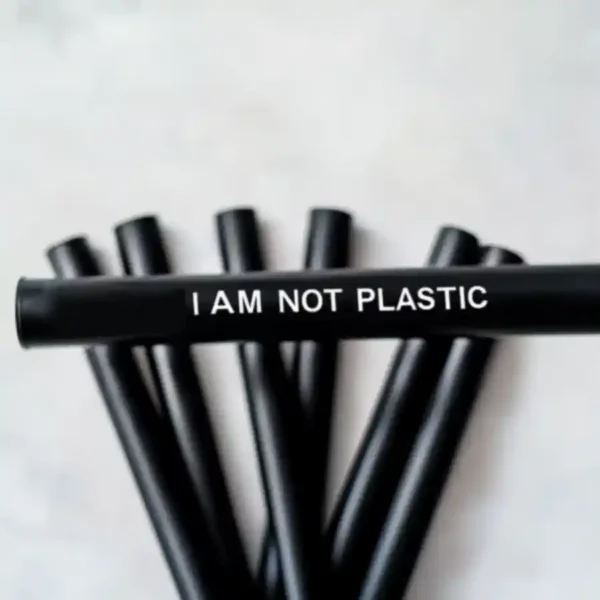
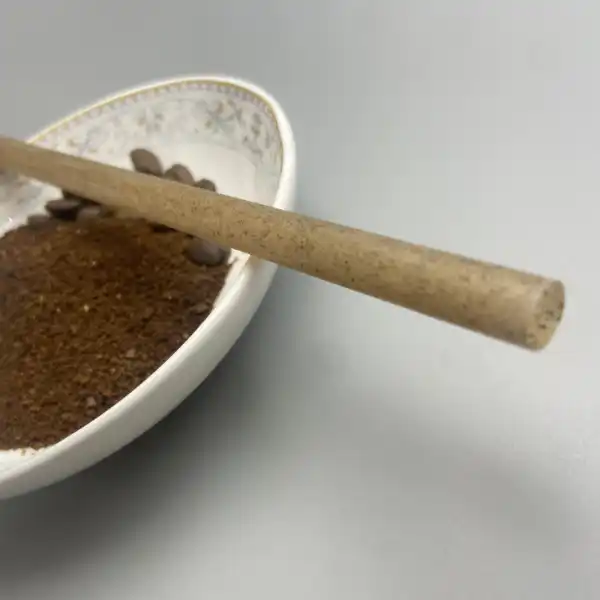
Растущий спрос на биоразлагаемые альтернативы стимулировал инновации и исследования продуктов, которые минимизируют воздействие на окружающую среду. Соломинки из сахарного тростника – одно из таких нововведений. Изготовленные из волокнистых остатков сахарного тростника, оставшихся после отжима сока, эти трубочки представляют собой возобновляемую и биоразлагаемую альтернативу пластиковым изделиям. Их состав не только уменьшает количество сельскохозяйственных отходов за счет повторного использования побочного продукта, но также способствует менее энергоемкой переработке по сравнению с некоторыми другими пластиками на биологической основе.

Что такое соломинка из сахарного тростника?
Соломинки сахарного тростника изготавливаются из переработанного жома — сухого мякотного остатка, остающегося после извлечения сока из сахарного тростника. После обработки волокна сахарного тростника формуются в соломинки, которые одновременно прочны и экологичны. Благодаря своим природным характеристикам, эти соломинки полностью компостируются и разлагаются в течение нескольких месяцев в правильных промышленных условиях.
Attributes of Sugarcane Straws
При оценке соломинки из сахарного тростника большинство предприятий учитывают несколько ключевых характеристик:
- Экологичность: Являясь естественным побочным продуктом, волокна сахарного тростника существенно сокращают количество отходов и оставляют минимальный углеродный след при правильной утилизации.
- Долговечность: По сравнению с некоторыми другими биоразлагаемыми материалами, соломинки из сахарного тростника обладают хорошей жесткостью и эластичностью, что делает их пригодными для приготовления различных напитков.
- Эстетическая привлекательность: их нейтральный цвет и элегантный внешний вид часто хорошо сочетаются с современной эстетикой брендинга и рекламы.
- Экономическая эффективность: По мере совершенствования технологий и масштабирования производства соломинки из сахарного тростника могут иметь конкурентоспособную цену по сравнению с их пластиковыми аналогами.
Environmental and Economic Benefits
Выбор соломинки из сахарного тростника – это не только этическое решение, оно также имеет здравый экономический смысл. Как экологические, так и экономические выгоды объединяются в убедительную концепцию, которая поддерживает ответственную деловую практику и одновременно привлекает растущий сегмент экологически сознательных потребителей.
Экологические преимущества
Экологическая польза соломинки из сахарного тростника значительна:
- Снижение загрязнения пластиком: With the infamous image of plastic waste littering oceans and landscapes, switching to sugarcane straws helps in dismantling the cycle of plastic pollution. Globally, studies have indicated that single-use plastics account for nearly 40% of waste that ends up in our oceans.
- Биоразлагаемость: Unlike plastic, sugarcane straws break down naturally, reducing your business’s environmental footprint and aligning with sustainable waste management practices.
- Возобновляемый ресурс: Sugarcane is a fast-growing crop that replenishes at a rate far exceeding those of fossil fuel-derived plastics.

Economic Impacts and Market Trends
Adopting sugarcane straws can also present significant economic opportunities:
- Consumer Appeal: Исследование Nielsen показало, что 66% потребителей во всем мире готовы платить больше за экологически чистые бренды, а использование экологически чистой посуды, такой как соломинки из сахарного тростника, может улучшить имидж вашего бренда.
- Соответствие нормативным требованиям: Поскольку многие регионы вводят строгие запреты и правила на одноразовые пластмассы, переход на биоразлагаемые альтернативы может помочь вам избежать штрафов и обеспечить безопасность вашего бизнеса в будущем.
- Экономия на управлении отходами: Использование биоразлагаемых продуктов часто приводит к снижению затрат на утилизацию и утилизацию отходов, особенно в регионах с активными программами переработки.
Factors to Consider When Choosing Sugarcane Straws
Инвестиции в соломинки из сахарного тростника требуют сбалансированной оценки различных критериев, чтобы гарантировать, что они эффективно отвечают потребностям вашего бизнеса. Здесь мы разберем важнейшие факторы, которые должны определять ваш процесс принятия решений.
1 Качество и долговечность
Одним из главных факторов является качество и долговечность соломинки из сахарного тростника. Хотя эти соломинки предназначены для компостирования, они также должны выдерживать типичные сценарии использования в оживленном кафе или ресторане. Такие факторы, как длина, диаметр, гибкость и жесткость, следует тщательно взвесить.
- Гибкость против прочности: While flexibility is beneficial for user experience, a straw must maintain enough rigidity to avoid bending mid-use. Testing the physical properties of prototypes can be a wise step before full-scale adoption.
- Resistance to Liquids: Durability is particularly crucial when designing straws for cold beverages versus hot beverages. Ensure that the straw does not degrade immediately when in contact with liquids.
- Certification and Standards: Check whether the product meets industry standards such as the ASTM’s biodegradability tests or local regulations concerning single-use items.
2 Sourcing and Supply Chain Stability
An effective supply chain is vital for consistent quality and availability. Here are some tips to manage sourcing and supply chain logistics:
- Manufacturer Transparency: Choose suppliers who are transparent about their sourcing, production processes, and quality control practices.
- Местные против международных поставщиков: Depending on your location and business model, consider local suppliers to reduce shipping times and support local economies. Local suppliers can also offer insights into regional market trends.
- Постоянный контроль качества: Engage with suppliers that invest in robust quality control processes. Frequent quality audits and certifications indicate reliability.

3 Customization and Branding Options
Your sugarcane straw can be an extension of your brand identity. Some suppliers offer customization options that might include your company’s logo, unique color treatments, or tailored sizes to fit custom cups.
- Brand Identity: Фирменные трубочки из сахарного тростника могут выступать в качестве мини-инструмента маркетинга, побуждая конечных потребителей распространять информацию о вашей этической практике.
- Универсальность дизайна: Узнайте, предлагает ли поставщик различные формы и размеры. Уникальный дизайн, выделяющий ваш бизнес, может стать значительным конкурентным преимуществом.
- Скидки за объем: Кастомизация может привести к более высоким затратам на единицу соломинки; однако при оптовом заказе многие поставщики предоставляют привлекательные оптовые скидки.
4 Соображения стоимости
Хотя экологическая устойчивость является основным преимуществом, важно оценить экономическую целесообразность перехода от пластика или других материалов к соломе из сахарного тростника. Вот несколько факторов, связанных с затратами, которые следует учитывать:
- Сравнение стоимости единицы продукции: Compare the per-unit cost of sugarcane straws with your current supplier’s options. Consider if the cost differential is justified by the marketing and environmental benefits.
- Bulk Purchase Discounts: Review your supplier’s pricing model—often higher initial costs are balanced out by substantial bulk order discounts.
- Долгосрочная экономия: Factor in long-term savings such as less expenditure on waste disposal for non-recyclable materials and potential tax incentives for sustainable business practices.
- Shipping and Import Costs: Ensure that the advertised costs include shipping, customs fees (if applicable), and any form of additional overhead costs.

5 End-of-Life Disposal and Biodegradability
Обеспечение того, чтобы ваш выбор соответствовал предполагаемому воздействию на окружающую среду, имеет решающее значение для устойчивого развития. Соломинки из сахарного тростника считаются биоразлагаемыми, но существуют разные стандарты, которые следует учитывать в отношении процесса утилизации:
- Совместимость с промышленным компостированием: Для полного разложения некоторых соломинок из сахарного тростника требуется промышленное компостирование. Изучите наличие таких объектов в вашем районе.
- Домашняя компостируемость: Если ваш бизнес в первую очередь ориентирован на домохозяйства или местных потребителей, проверьте, будет ли продукт адекватно разлагаться в типичной домашней установке компоста.
- Сертификаты: ищите сертификаты признанных организаций, таких как Институт биоразлагаемых продуктов (BPI) или аналогичных аккредитационных агентств в вашем регионе.
Case Studies and Real-World Examples
Реальные истории успеха дают бесценную информацию о практическом применении соломинки сахарного тростника в различных условиях бизнеса. Вот несколько тематических исследований, иллюстрирующих эффективную интеграцию соломинки сахарного тростника в бизнес-модель:
Пример 1: Сеть эко-кафе в Северной Америке
Сеть кафе из Северной Америки, заботящаяся об окружающей среде, решила заменить все пластиковые трубочки на соломинки из сахарного тростника в рамках комплексной программы по устойчивому развитию. Ключевые результаты включали:
- Улучшение бренда: Опросы клиентов показали, что более 70% посетителей оценили этот переход и более позитивно отнеслись к стремлению бренда сократить количество пластиковых отходов.
- Операционная эффективность: Благодаря тому, что цепочка поставок была привязана к местному производителю, сеть кафе сообщила о меньшем количестве сбоев, сокращении времени доставки и повышении стабильности качества продукции.
- Дифференциация рынка: Зеленая инициатива помогла бренду дифференцироваться на конкурентном рынке, привлекая экологически сознательных потребителей, которые становятся все более влиятельными в социальных сетях.

Пример 2: Группа ресторанов в Европе
Известная европейская ресторанная группа попыталась обновить свою одноразовую посуду в ответ на предстоящие правила, запрещающие одноразовый пластик. Группа выбрала соломку из сахарного тростника как часть более широкой практики устойчивого развития. Их путешествие включало:
- Адаптация и тестирование: Before a full rollout, the restaurant group conducted extensive in-house testing across multiple beverage types, optimizing the straw design for both cold and hot drinks.
- Анализ затрат: Although the upfront costs were slightly higher, long-term savings emerged through reduced waste management fees and positive consumer responses, culminating in an overall 15% increase in customer retention rates.
- Brand Loyalty: Their marketing campaign around the eco-friendly transition generated buzz in local media and on social platforms, reinforcing the brand’s image as a leader in sustainability.
How to Evaluate Suppliers and Products
The success of introducing sugarcane straws into your business hinges largely on choosing the right supplier. An effective evaluation process should include the following steps:
- Research and Due Diligence: Conduct thorough market research to identify the best suppliers for sugarcane straws. Check their reputation, reviews, and case studies from businesses in similar industries.
- Пример тестирования: Before committing to a long-term partnership, request samples from multiple suppliers to assess their durability, appearance, and functionality.
- Сертификаты и соблюдение: Ensure the products meet necessary standards like ASTM or BPI certifications.
- Transparency: Choose suppliers who are transparent about their sourcing and environmental impact.
- Практики устойчивого развития: Evaluate the supplier’s overall sustainability efforts in energy usage, packaging materials, and carbon footprint reduction.
- Building Relationships with Suppliers: Cultivate long-term relationships with your suppliers for better service and potential product innovation.
Final Thoughts: Why Sugarcane Straws Are a Smart Choice for Your Business
Sugarcane straws represent a sustainable alternative to plastic straws, offering several environmental and economic benefits. By considering key factors such as quality, cost, and supplier reliability, businesses can make an informed decision to incorporate these straws into their operations. Whether your goal is to enhance brand image, comply with regulations, or contribute to a greener world, sugarcane straws can be an integral part of your sustainability strategy.

Ключевые выводы:
- Sugarcane straws are biodegradable and offer environmental benefits such as reducing plastic pollution and utilizing renewable resources.
- Adopting sugarcane straws can enhance brand image, attract eco-conscious consumers, and comply with regulations.
- Businesses should evaluate factors such as durability, sourcing, customization, and cost before choosing sugarcane straws.
- Partnering with the right supplier ensures a steady supply of high-quality products and supports long-term sustainability goals.