Устойчивые решения B2B: соломка из сахарного тростника для экологически сознательного бизнеса

Введение: экологически чистые альтернативные преимущества пластиковых банок и соломинок сахарного тростника

Представьте себе: вы только что открыли утреннюю электронную почту и обнаружили, что ваш город присоединился к растущему списку юрисдикций, где запрет одноразового пластика вступит в силу через 90 дней. Будучи менеджером по закупкам в отеле, поставщиком сети ресторанов или дистрибьютором, обслуживающим сотни предприятий, вы внезапно столкнулись с неотложной проблемой. Какие альтернативы вы можете быстро найти, чтобы они не растворялись в напитках, не разочаровывали клиентов и не нарушали ваш бюджет?
Этот сценарий реализуется по всему миру, поскольку запрет на использование пластиковых соломинок продолжает распространяться на основных рынках. По данным Программы ООН по окружающей среде, более 127 стран в настоящее время ввели ту или иную форму регулирования против одноразового пластика, и каждый квартал к этому движению присоединяется все больше стран. Эти правила — не просто предложения — они имеют зубастый характер. Только в Калифорнии предприятия могут быть оштрафованы на сумму до 2000 долларов в день за несоблюдение правил использования пластиковых трубочек.
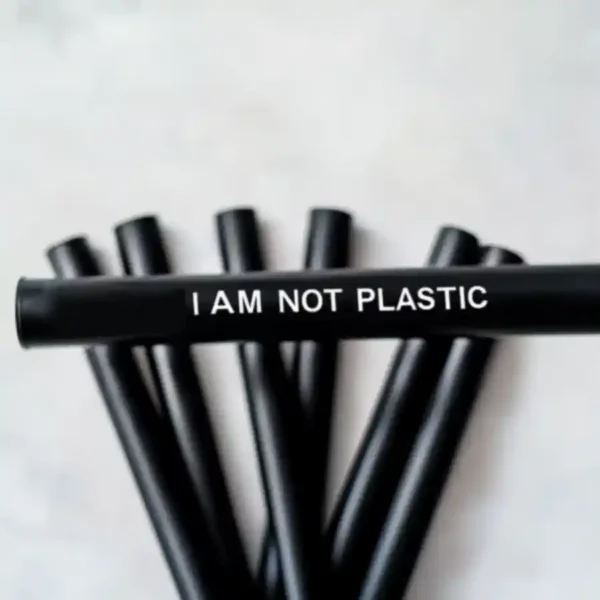
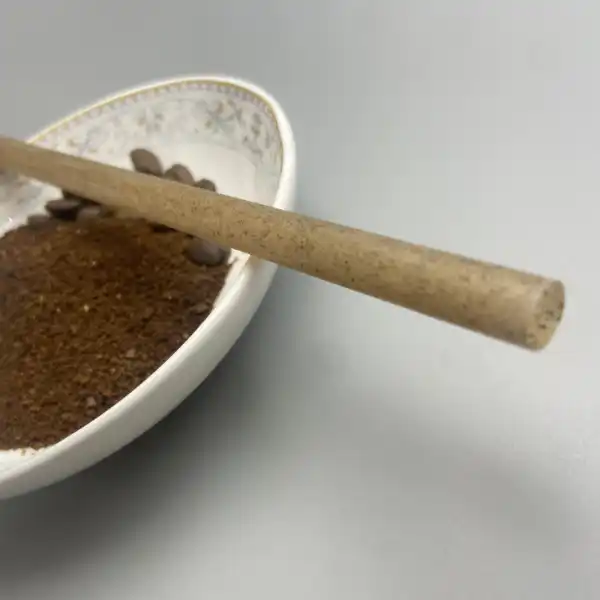
В этом быстро меняющемся ландшафте соломинки из сахарного тростника стали ведущим устойчивым решением который удовлетворяет как нормативным требованиям, так и ожиданиям клиентов. В отличие от своих пластиковых предшественников, эти альтернативы на растительной основе производятся из жома — волокнистого побочного продукта, остающегося после извлечения сока из сахарного тростника. Эти сельскохозяйственные отходы, обычно сжигаемые или выбрасываемые, находят новое применение в качестве экологически чистой соломинки для питья, которая по своим характеристикам очень похожа на обычные пластиковые варианты.
Что делает соломинки из сахарного тростника особенно привлекательными для операций B2B, так это их практичность. Они не размокают в холодных напитках до 6 часов, сохраняют структурную целостность в горячих напитках при температуре до 190°F и обеспечивают привычный пользовательский опыт, которого ожидают клиенты. Для предприятий, переходящих от пластика, эти эксплуатационные характеристики означают, что вы можете достичь целей устойчивого развития, не жертвуя при этом функциональностью.
Изучая мир соломинок из сахарного тростника для вашего бизнеса, мы раскроем все: от соблюдения нормативных требований до анализа затрат, экологических преимуществ и реальных историй успеха. Независимо от того, снабжаете ли вы отели, кафе, места проведения мероприятий или дистрибьюторские сети, это подробное руководство предоставит вам знания, необходимые для принятия обоснованных решений об интеграции соломинки сахарного тростника в вашу стратегию устойчивого бизнеса.
Соответствие нормативным требованиям: сертификаты на экологически чистую альтернативу соломке сахарного тростника

Для того чтобы ориентироваться в сложном ландшафте правил, регулирующих контакт с пищевыми продуктами на мировых рынках, необходимо понимать, какие сертификаты имеют наибольшее значение. Для B2B-покупателей, закупающих соломку из сахарного тростника, золотым стандартом являются два основных сертификата: сертификация FDA в Северной Америке и сертификация LFGB для европейских рынков.
Правила FDA по материалам, контактирующим с пищевыми продуктами Убедитесь, что все компоненты, вступающие в контакт с пищевыми продуктами и напитками, соответствуют строгим стандартам безопасности. Приобретая биоразлагаемые соломинки, сертифицированные FDA, для кафе и ресторанов, предприятия получают не только соответствие законодательству, но и доверие клиентов. Согласно отчету о соблюдении отраслевых требований за 2022 год, предприятия, использующие несертифицированные материалы, контактирующие с пищевыми продуктами, столкнулись в среднем с штрафными санкциями в размере 14 500 долларов США, не считая затрат на отзыв продукции и ущерба репутации.
Аналогичным образом, сертификация LFGB (Немецкий кодекс по продуктам питания, предметам повседневного использования и кормам) обеспечивает европейский стандарт безопасности при контакте с пищевыми продуктами. Эти сертификаты не подлежат обсуждению для серьезных поставщиков B2B., особенно те, которые обслуживают международные рынки или заведения премиум-класса.
Помимо сертификатов безопасности, проверка компостируемости становится все более важной. Сертификация домашнего компостирования означает, что соломинки разлагаются в условиях домашнего компостирования в течение 180 дней, что является значительным преимуществом по сравнению с материалами, требующими промышленных предприятий. Эта сертификация позволяет предприятиям делать законные экологические заявления, которые находят отклик у экологически сознательных потребителей и соответствуют правилам правдивой рекламы.
A notable case example comes from a major hotel chain that switched to uncertified “eco-friendly” straws in 2021, only to face both regulatory scrutiny and customer complaints about misleading environmental claims. The lesson? Proper certification isn’t just paperwork—it’s protection for your busines reputation and a shield against regulatory penalties that can quickly erase any cost savings from choosing uncertified alternatives.
Чем экологически чистая альтернатива соломинки сахарного тростника отличается от других экологических альтернатив

When evaluating sustainable straw options for your busines, understanding the comparative advantages and limitations of each material type becomes crucial for making an informed decision. Sugar cane straws offer a distinct profile of benefits по сравнению с другими популярными альтернативами:
| Материал | Долговечность в напитках | Компостируемость | Экономическая эффективность | Производство | Качество обслуживания клиентов |
|---|---|---|---|---|---|
| ——-- | ——————— | ————- | ————- | ——————— | ——————— |
| Сахарный тростник | 4-6 часов на холоде, термостойкость до 190°F | Домашний компост за 90-180 дней | Средний диапазон, уменьшается с увеличением громкости | Переработка сельскохозяйственных отходов, низкое потребление воды | Больше всего похоже на пластический опыт |
| Бумага | 1-2 часа до размягчения | Пригоден для вторичной переработки/компостирования | Низкая первоначальная стоимость, более высокий коэффициент замены | Повышенное потребление воды в производстве | Часто становится сырым, жалобы клиентов |
| PLA (на основе кукурузы) | Отличный, похож на пластик. | Только промышленные объекты | Середина | Требуется выделенная пахотная земля | Неотличимы от пластика для пользователей |
| Бамбук | Отличная долговечность | Домашний компост | Выше, чем у большинства альтернатив | Низкое воздействие, но конкретные растущие регионы | Отличительная естественная текстура |
| Металл | Неопределенный | Многоразовый, не компостируемый | Самые высокие первоначальные инвестиции | Ресурсоемкий производство | Требуется очистительная инфраструктура |
A 2023 waste analysis study by the International Food Service Sustainability Coalition found that 67% of PLA straws end up in landfills rather than proper composting facilities, negating much of their environmental benefit. In contrast, sugar cane straws can break down in home composting systems, making their end-of-life scenario more realistic regardles of local waste infrastructure.
The practical implications for businesses are significant. Hotels using paper straws reported needing to provide 2-3 straws per guest due to rapid degradation in drinks, increasing both costs and waste. Meanwhile, cafes experimenting with reusable options faced significant back-of-house challenges with cleaning and sanitizing protocols.
Sugar cane straws present a pragmatic middle ground—offering sufficient durability without requiring changes to operational workflows or waste handling systems. For wholesale sugar cane straws buyers seeking a balance of performance and sustainability, this agricultural byproduct solution often emerges as the most practical transition from traditional plastics.
Основные преимущества для бизнеса от перехода на экологически чистую альтернативу соломке сахарного тростника

Beyond mere compliance with plastic bans, transitioning to sugar cane straws presents multiple strategic advantages for forward-thinking businesses. The ROI extends well beyond the simple cost-per-unit calculation.
**Улучшение восприятия бренда**
A 2023 Nielsen consumer study revealed that 73% of global consumers would definitely or probably change their consumption habits to reduce environmental impact. More tellingly, businesses highlighting sustainable practices on their marketing materials saw a 21% increase in customer perception of quality—regardles of price point. When businesses invest in custom branded sugar cane straws, they transform a necessary expense into a tangible brand asset that communicates values with every sip.
**Operational Consistency**
Unlike some eco-alternatives that require staff training or customer education, sugar cane straws provide a nearly identical user experience to plastic. This means no disruption to service flow or customer expectations. For multi-location businesses or franchises, this consistency is particularly valuable, allowing for system-wide implementation without location-specific adaptations.
**Cost Stabilization**
While plastic straw prices fluctuate with petroleum markets, sugar cane straws offer more stable pricing since they’re derived from agricultural byproducts. Additionally, as plastic straw taxes and penalties increase (with some jurisdictions imposing fees up to $0.25 per plastic straw distributed), the comparative economics increasingly favor sustainable alternatives.
**Supply Chain Resilience**
Диверсификация производства продуктов нефтепереработки снижает подверженность волатильности цен на нефть и сбоям в цепочках поставок в нефтехимической промышленности. Производство сахарного тростника происходит в более географически распределенных регионах, что потенциально предлагает более надежные варианты поставок во время глобальных проблем в цепочке поставок.
**Экономика сокращения отходов**
Для предприятий, которые платят за вывоз мусора по объему, компостируемые соломинки могут значительно снизить затраты на утилизацию отходов. Сеть отелей среднего размера, реализующая соломинки из сахарного тростника, сообщила о сокращении общих затрат на утилизацию отходов на 4,3% — экономия, которая существенно компенсирует премию, уплаченную за экологически чистые соломинки. Если учесть эту операционную экономию наряду с маркетинговой ценностью, the total busines case for sustainable straws for distributors becomes compelling.
Воздействие на окружающую среду: почему побеждает экологически чистая альтернатива соломке сахарного тростника

The environmental advantages of sugar cane straws extend well beyond their plastic-free composition. When analyzing their complete lifecycle, several key ecological benefits emerge that position them favorably against both conventional plastics and other alternatives.
Carbon footprint reduction stands as perhaps the most significant benefit. According to the International Sustainable Materials Institute, sugar cane-based products can achieve up to 80% lower carbon emissions compared to their plastic counterparts. This dramatic reduction stems from two factors: the carbon sequestration during the sugar cane growing proces and the repurposing of agricultural waste that would otherwise be burned (releasing additional CO2).
Water conservation presents another compelling advantage. While paper straw production requires significant water input—approximately 13 gallons per pound of finished product—sugar cane straws utilize an existing agricultural byproduct, adding no additional water demand beyond what’s already used in sugar production. In water-stressed regions, this distinction becomes increasingly meaningful.
Biodegradability timeframes offer a stark contrast between materials. UNEP research indicates that conventional plastic straws can persist in the environment for over 200 years, while sugar cane straws typically decompose in home composting conditions within 90-180 days. This rapid decomposition means they present minimal risk to marine life and ecosystems even if improperly disposed of.
Land use efficiency also factors into environmental impact calculations. Unlike corn-based PLA straws that require dedicated cropland, sugar cane straws repurpose a byproduct from existing agricultural production, requiring no additional land allocation. This avoids the food-versus-materials competition that complicates some bio-based alternatives.
For businesses invested in detailed sustainability reporting and ESG (Environmental, Social, Governance) metrics, these quantifiable environmental benefits provide valuable data points that can be incorporated into corporate responsibility documentation and marketing materials.
Практический пример: успех экологически чистой альтернативы соломке сахарного тростника в действии

When Paradise Resort Group decided to eliminate plastic straws acros their 12 properties in 2022, they initially tried paper alternatives—only to face a barrage of customer complaints about soggy, collapsed straws. The operations team found themselves in a difficult position: caught between their sustainability commitments and customer satisfaction scores that had dropped 17% on beverage-related survey questions.
After testing multiple alternatives, Paradise implemented sugar cane straws in a phased rollout, beginning with their flagship location in Maui. The results were immediate and compelling:
- Customer complaints about straw performance dropped from 26 per week to zero within the first month
- Staff reported 94% fewer requests for replacement straws
- The distinctive natural appearance of the straws became a conversation starter, with servers reporting increased guest engagement around the resort’s sustainability initiatives
- Social media mentions of the resort’s eco-friendly practices increased by 215% compared to the previous quarter
Most significantly, Paradise discovered unexpected cost efficiencies. While the sugar cane straws cost $0.023 more per unit than their previous paper options, the elimination of replacement straws (guests often requested 2-3 paper straws per drink) resulted in a net 12% reduction in overall straw expenses.
Based on the succes of this implementation, the resort group accelerated their rollout timeline, converting all properties within six months rather than the planned two-year transition. They also expanded their sugar cane product usage to include cocktail stirrers and coffee stir sticks, creating consistency in their sustainable materials approach.
“We expected to make an environmental choice that would cost us more and potentially create operational challenges,” noted Maya Rodriguez, Paradise Resort Group’s Sustainability Director. “Instead, we found a solution that our guests prefer, our staff appreciates for its simplicity, and that ultimately proved more economical when we analyzed the complete usage patterns.”
Часто задаваемые вопросы
- What is the minimum order quantity for wholesale sugar cane straws?
- Most B2B suppliers offer minimum order quantities starting at 10,000 straws, though volume pricing tiers typically begin at 50,000 units. For custom branded options, minimums may be higher (typically 25,000+) to accommodate printing setup costs. NatureBioEco offers flexible MOQ options designed specifically for different busines scales.
- How long do sugar cane straws last in different beverages?
- In cold beverages, quality sugar cane straws maintain their structure for 4-6 hours—covering the typical service cycle for most establishments. For hot drinks, they remain stable in temperatures up to 190°F, though performance may vary with extremely acidic beverages. This durability eliminates the need for multiple straws per serving, reducing overall consumption.
- Can sugar cane straws be custom branded for my busines?
- Absolutely! Custom branding options include printed logos, slogans, or designs directly on the straws, as well as customized packaging. Most manufacturers offer 1-3 color printing with minimum order requirements starting around 25,000 units. Lead times for custom branding typically range from 4-6 weeks, so planning ahead is essential.
- Are sugar cane straws more expensive than plastic straws?
- The unit cost for sugar cane straws typically runs 2-3 times higher than conventional plastic straws. However, this comparison doesn’t account for plastic straw taxes in many jurisdictions, potential fines for non-compliance with plastic bans, or the marketing value of sustainable practices. Many businesses find that highlighting their use of eco-friendly straws allows them to recoup the difference through enhanced brand perception.
- What certifications should I look for when sourcing sugar cane straws?
- Priority certifications include FDA approval for North American markets, LFGB certification for European distribution, and legitimate compostability verification. Additionally, look for manufacturing certifications like ISO 9001 (quality management) and responsible sourcing documentation, particularly for businesses with detailed ESG reporting requirements.
- How should sugar cane straws be stored to maintain quality?
- Sugar cane straws should be kept in a cool, dry environment away from direct sunlight. Unlike plastic, they are a natural product that can absorb ambient moisture in extremely humid conditions. The recommended storage parameters are temperatures below 90°F (32°C) and humidity levels under 65%. Properly stored, they maintain their quality for up to 24 months.
- What is the typical lead time for bulk sugar cane straw orders?
- Standard bulk orders typically ship within 2-3 weeks after confirmation, while custom branded options generally require 4-6 weeks. For high-volume orders (250,000+ units), additional production time may be necessary. International shipping adds 2-4 weeks depending on destination. Working with suppliers offering warehouse options in multiple regions can significantly reduce lead times.