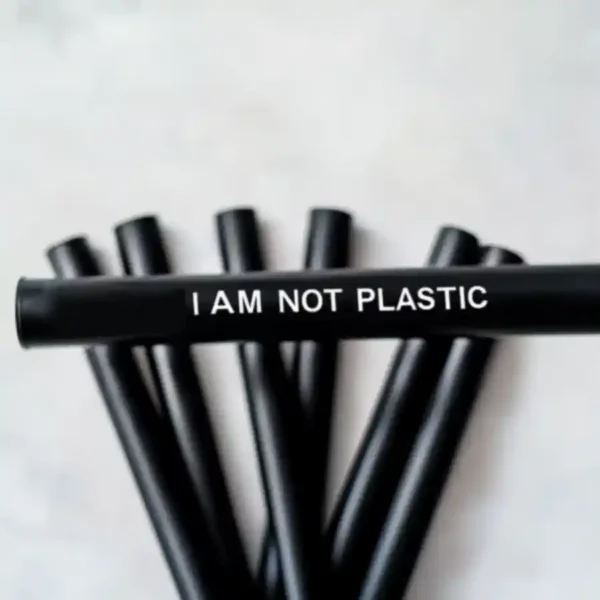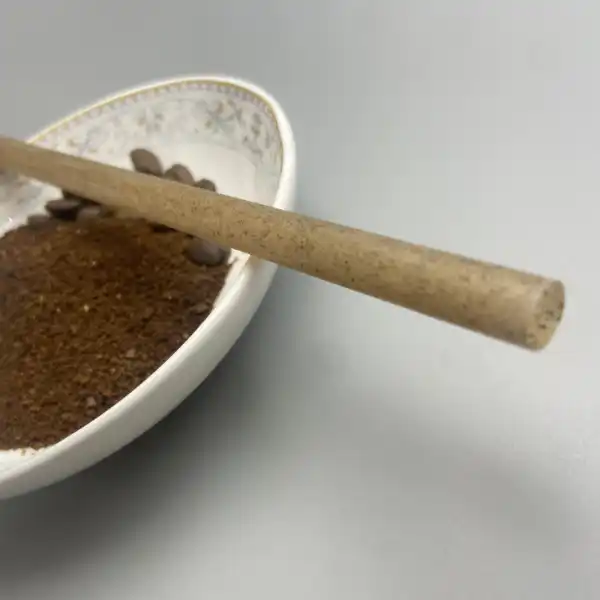
Соломка из сахарного тростника: устойчивые сертифицированные решения B2B

Преимущества экологически чистого выбора пластиковых банок и соломинок из сахарного тростника

Представьте себе: напряженный пятничный день в вашей сети ресторанов, и к вашим сотрудникам подходит клиент и спрашивает о ваших методах устойчивого развития. В частности, они хотят знать, почему вы все еще используете пластиковые трубочки, хотя соседнее кафе перешло на экологически чистые альтернативы. Этот сценарий реализуется в компаниях по всему миру, поскольку осведомленность потребителей об одноразовых пластиках продолжает расти.
Глобальный ландшафт одноразового пластика быстро меняется. Только в 2023 году более 30 стран ввели частичный или полный запрет на различные одноразовые пластиковые предметы, причем первой мишенью часто становятся соломинки. Для предприятий с несколькими офисами соблюдение этого лоскутного набора правил на разных рынках стало логистической проблемой. Вместо того, чтобы ориентироваться в различных требованиях к запасам в каждом регионе, дальновидные компании внедряют универсальные устойчивые решения.
Ознакомьтесь с подробным руководством B2B по экологичным соломинкам из сахарного тростника которые могут трансформировать ваши бизнес-операции, обеспечивая при этом соответствие мировым стандартам.
Соломинка из сахарного тростника представляет собой одну из наиболее многообещающих альтернатив в этой меняющейся ситуации. Эти соломинки, изготовленные из жома — волокнистого побочного продукта, остающегося после экстракции сока сахарного тростника, — представляют собой настоящее решение для экономики замкнутого цикла. В противном случае материал был бы выброшен или сожжен, что создало бы дополнительные экологические проблемы. Вместо этого его перепрофилируют в функциональные, безопасные для пищевых продуктов соломинки, которые по своим свойствам очень похожи на обычные пластиковые соломинки.
Что делает соломинки из сахарного тростника особенно привлекательными для покупателей B2B по всему миру, так это их уникальное сочетание практичности и экологических преимуществ. В отличие от бумажных соломинок, которые часто становятся сырыми, или соломинок из PLA (полимолочной кислоты), для которых требуются промышленные установки для компостирования, соломинки из сахарного тростника сохраняют свою структуру в напитках в течение нескольких часов, при этом их можно компостировать в домашних условиях. Это означает, что они разлагаются естественным путем примерно за 90 дней в стандартных условиях компостирования — никаких специальных средств не требуется.
Эстетику тоже не стоит упускать из виду. Соломинки из сахарного тростника имеют натуральный светло-бежевый цвет, который дополняет органический и ориентированный на здоровье бренд. Для компаний, стремящихся сделать заметное заявление об устойчивом развитии, эти соломинки предлагают как функциональность, так и возможность продемонстрировать экологические ценности непосредственно клиентам с каждым подаваемым напитком.
Соответствие нормативным требованиям: сертификаты для соломинки сахарного тростника, экологически чистый выбор

Для покупателей B2B соблюдение нормативных требований — это не просто флажок, который нужно проверить, это важная защита вашего бизнеса и клиентов. При поиске устойчивых альтернатив, таких как соломинка из сахарного тростника, понимание условий сертификации становится критически важным, чтобы избежать дорогостоящих ошибок.
Узнайте больше о компостируемых соломинках из сахарного тростника, сертифицированных FDA и LFGB. которые соответствуют строгим мировым стандартам безопасности и устойчивого развития пищевых продуктов.
А FDA сертификация представляет собой золотой стандарт для материалов, контактирующих с пищевыми продуктами, в США. Эта сертификация гарантирует, что соломинки из сахарного тростника прошли строгие испытания на безопасность, при этом особое внимание уделяется предотвращению попадания вредных химических веществ в напитки, что особенно важно для горячих или кислых напитков. Для предприятий, работающих на рынке США или экспортирующих на него, сертификация FDA не подлежит обсуждению.
Аналогичным образом, сертификация LFGB (Lebensmittel- und Futtermittelgesetzbuch) представляет собой немецкий и европейский стандарт для материалов, контактирующих с пищевыми продуктами. Сертификация LFGB, которую часто считают даже более строгой, чем требования FDA, открывает двери на европейские рынки, где правила в отношении одноразовых товаров обычно более продвинуты.
Согласно отчету о соблюдении отраслевых требований за 2023 год, предприятия, использующие несертифицированные экологически чистые альтернативы, столкнулись со штрафами регулирующих органов в среднем на сумму 15 000 долларов за инцидент, не считая репутационного ущерба и потенциальных отзывов. Эта статистика подчеркивает, почему надлежащая сертификация — это не просто техническая деталь, а бизнес-императив.
Помимо нормативной защиты, эти сертификаты предоставляют законные маркетинговые преимущества. Они позволяют предприятиям делать проверенные заявления о безопасности и экологических преимуществах своих соломинок, поддерживая прозрачную связь со все более сообразительными потребителями, которые признают эти сертификаты и ищут их.
Показательный пример: крупная сеть отелей в Юго-Восточной Азии усвоила этот урок на собственном горьком опыте, когда перешла на «биоразлагаемые» соломинки, не имеющие надлежащей сертификации. Когда выяснилось, что соломинки содержат вредные химические вещества PFAS, они столкнулись не только со штрафными санкциями со стороны регулирующих органов, но и с серьезной негативной реакцией клиентов, которая повлияла на количество заказов в течение нескольких месяцев после этого.
Чем экологически чистый выбор соломинки сахарного тростника отличается от других экологических альтернатив

При оценке экологически чистых вариантов соломинки для вашего бизнеса понимание полной картины каждой альтернативы помогает принять обоснованное решение, которое соответствует как операционным потребностям, так и целям устойчивого развития.
Узнайте, почему соломинка из сахарного тростника выделяется среди экологически чистых вариантов общественного питания для предприятий, приверженных экологической ответственности.
| Критерии | Соломка из сахарного тростника | Бумажные трубочки | ПЛА соломинки | Металлические Соломинки |
|---|---|---|---|---|
| ——-- | ————— | ———- | ———— | ———- |
| Долговечность в напитках | 2-3 часа без размягчения | 20-30 минут до размягчения | Похоже на пластик | Неопределенный |
| Конец срока службы | Домашний компост (90 дней) | Пригоден для вторичной переработки/компостирования | Только промышленное компостирование | Многоразовый |
| Качество обслуживания клиентов | Естественный ощущение, без переноса вкуса | Может повлиять на вкус, изменить текстуру | Похоже на пластик | Проводящий температуру, требует очистки |
| Стоимость за 1000 единиц | $35-45 | 25-40 долларов США | $30-50 | $1000-3000 (начальные инвестиции) |
| Параметры настройки | Цвет, печать, диаметр | Ограниченная печать | Цвет, печать | Лазерная гравировка |
| Углеродный след | на 80% ниже, чем пластик | на 70% ниже, чем пластик | на 65% ниже, чем пластик | Зависит от использования (200+ для компенсации производства) |
Исследование, проведенное в 2023 году Коалицией устойчивой упаковки, показало, что соломинки из сахарного тростника оказывают наименьшее общее воздействие на окружающую среду с учетом всего жизненного цикла: выбросы парниковых газов на 83% ниже, чем у обычных пластиковых соломинок. Эта комплексная оценка учитывала источники сырья, производственные процессы, транспортировку и сценарии окончания срока службы.
Практические соображения для бизнеса выходят за рамки экологических показателей. Например, хотя бумажные трубочки на начальном этапе могут показаться более рентабельными, жалобы клиентов на функциональность часто приводят к более широкому использованию (клиенты берут несколько трубочек) или даже к неудовлетворенности клиентов. Точно так же, хотя соломинки из PLA работают хорошо, их потребность в промышленных предприятиях по компостированию означает, что они часто оказываются на свалках, где не разлагаются должным образом.
Согласно ЮНЕП В докладе об альтернативах пластику материалы на биологической основе, такие как сахарный тростник, предлагают наилучшее сочетание производительности и экологических преимуществ для одноразовых применений, где варианты многоразового использования непрактичны, что делает их особенно подходящими для доставки еды на вынос, доставки, отелей и мест с большим количеством посетителей.
Основные преимущества для бизнеса от перехода на соломку из сахарного тростника: экологически чистый выбор

Помимо экологических преимуществ, соломинки из сахарного тростника приносят ощутимые преимущества для бизнеса, которые могут положительно повлиять на вашу прибыль и восприятие бренда.
Изучите углубленный бизнес-анализ экологически чистых решений для производства соломы сахарного тростника. чтобы понять комплексные преимущества для вашей работы.
**Повышение узнаваемости бренда и лояльности клиентов**
Сегодняшние потребители все чаще учитывают экологичность при принятии решений о покупке. Опрос потребителей McKinsey, проведенный в 2023 году, показал, что 78% респондентов в 10 странах указали, что считают воздействие на окружающую среду важным при выборе ресторанов и кафе. Заметно внедряя устойчивые методы, такие как соломинки из сахарного тростника, компании сообщают клиентам о своих ценностях, укрепляя восприятие бренда и повышая лояльность.
**Соответствие нормативным требованиям и готовность к будущему**
Поскольку запрет на одноразовый пластик распространяется во всем мире беспрецедентными темпами, принятие совместимых альтернатив теперь предотвращает поиск решений в будущем. Компании, внедряющие устойчивые альтернативы, такие как соломинка из сахарного тростника, сообщили о средней экономии затрат на 22% по сравнению с теми, которые были вынуждены сделать быстрый переход из-за внезапных изменений в законодательстве.
**Стабилизация затрат**
Хотя соломинки из сахарного тростника обычно стоят дороже, чем обычные пластиковые соломинки, они обеспечивают ценовую стабильность, чего не может сделать пластик. Цены на пластиковую соломинку колеблются в зависимости от рынков нефти и сталкиваются с ростом налогов и сборов по всему миру. Цены на солому сахарного тростника, получаемую из побочных продуктов сельского хозяйства, остаются более предсказуемыми, что позволяет лучше планировать долгосрочный бюджет.
**Простота эксплуатации**
Для предприятий, работающих в нескольких юрисдикциях, хранение разных запасов в разных местах создает логистические сложности. Соломинки из сахарного тростника соответствуют или превосходят нормативные требования во всем мире, что позволяет стандартизировать запасы, что упрощает управление цепочкой поставок и обучение персонала.
**Маркетинговая дифференциация**
Переход на соломинки из сахарного тростника создает аутентичные возможности для рассказывания историй через маркетинговые каналы. От настольных палаток, объясняющих ваш устойчивый выбор, до контента в социальных сетях, подчеркивающего вашу приверженность охране окружающей среды, эти соломинки обеспечивают осязаемую демонстрацию ценностей, которые находят отклик у потребителей.
**Налоговые льготы и льготы**
Многие юрисдикции теперь предлагают налоговые льготы, гранты или льготный режим при заключении государственных контрактов для предприятий, демонстрирующих экологическую ответственность. Согласно отчету об устойчивом развитии бизнеса за 2023 год, компании, внедряющие комплексные решения в области устойчивой упаковки, ежегодно получали в среднем 12 500 долларов США в виде налоговых льгот и стимулов.
Воздействие на окружающую среду: почему побеждает экологически чистый выбор соломки из сахарного тростника

Когда дело доходит до экологических показателей, соломинка из сахарного тростника выделяется по нескольким важным параметрам, которые важны как для бизнеса, так и для потребителей.
Найдите лучшие соломинки из сахарного тростника, сертифицированные FDA, для ваших потребностей B2B. которые обеспечивают как экологические преимущества, так и коммерческую эффективность.
**Снижение выбросов углекислого газа**
Оценка жизненного цикла соломинок сахарного тростника показывает их впечатляющий углеродный профиль. В производственном процессе используются сельскохозяйственные отходы, которые в противном случае были бы сожжены, что фактически предотвращает выбросы углерода, которые происходят при традиционных методах утилизации. Рецензируемое исследование, опубликованное в журнале «Чистое производство», показало, что переход от пластика к соломинкам из сахарного тростника приводит к сокращению выбросов углекислого газа на 92% при учете полного жизненного цикла продукта.
**Истинная биоразлагаемость**
В отличие от многих якобы «экологичных» альтернатив, для разложения которых требуются особые промышленные условия, соломинка из сахарного тростника действительно компостируется в домашних условиях. Они разлагаются естественным путем примерно за 90 дней в условиях домашнего компостирования, не оставляя микропластика или вредных остатков. Это делает их особенно ценными в районах, где отсутствует развитая инфраструктура управления отходами.
**Экономия воды**
Водный след соломинок из сахарного тростника значительно ниже, чем у пластиковых альтернатив. В то время как для производства пластиковой соломинки требуется около 8 галлонов воды на 100 соломинок, для производства соломинки из сахарного тростника требуется всего 1,2 галлона воды для того же количества. Это сокращение потребления воды на 85% становится особенно значительным при масштабировании до коммерческих объемов.
**Химическое восстановление**
Обычное производство пластиковой соломки включает в себя нефтехимические вещества, пластификаторы и различные добавки, которые могут нанести вред экосистемам. Соломинки из сахарного тростника производятся с использованием преимущественно механических процессов с минимальными химическими затратами, в результате чего получается продукт, не содержащий BPA, фталатов и других опасных соединений, часто встречающихся в пластмассах.
**Сельскохозяйственные преимущества**
Создавая рыночный спрос на жом — волокнистый побочный продукт переработки сахарного тростника — эти соломинки поддерживают сельскохозяйственные сообщества и поощряют устойчивые методы ведения сельского хозяйства. Согласно отчету о воздействии на сельское хозяйство за 2023 год, этот экономический стимул привел к увеличению на 15% количества устойчивых методов выращивания сахарного тростника в основных регионах-производителях.
Практический пример: Экологичный выбор соломинки сахарного тростника в действии

Теоретические преимущества соломинок из сахарного тростника убедительны, но реальные истории внедрения демонстрируют их практическое влияние на бизнес.
Учитесь у других компаний, использующих сертифицированные FDA соломинки из сахарного тростника для B2B-приложений. посредством подробных тематических исследований и историй успеха.
**Сеть курортов Ocean Blue: от проблемы пластика к устойчивому успеху**
Ocean Blue Resort, гостиничная группа среднего размера с 12 объектами по всей Юго-Восточной Азии, столкнулась с растущим давлением как со стороны регулирующих органов, так и со стороны гостей в отношении использования пластика. В 2022 году они ежегодно использовали около 2,5 миллионов пластиковых трубочек на своих объектах, что значительно увеличило их воздействие на окружающую среду.
После оценки нескольких альтернатив в январе 2023 года они внедрили солому из сахарного тростника NatureBioEco на всех объектах недвижимости. Переход включал:
- Соломинки из сахарного тростника с логотипом компании и надписью «Сделано из растений, а не пластика».
- Обучение персонала экологическим преимуществам, которыми можно поделиться с любопытными гостями
- Интеграция инициативы в более широкую коммуникацию в области устойчивого развития.
Результаты через год были впечатляющими:
- Сокращение на 94 % одноразовых пластиковых отходов из соломинок
- Предотвращено 37 тонн выбросов в эквиваленте CO2
- 89% положительных отзывов гостей об инициативе
- 32 000 долларов США в виде уклонения от налогов на пластик в некоторых юрисдикциях
- Упомянут в трех крупных туристических изданиях как эко-лидер.
Финансовый анализ показал, что, хотя себестоимость единицы продукции увеличилась примерно на 40 % по сравнению с предыдущими пластиковыми трубочками, маркетинговая ценность, преимущества соблюдения нормативных требований и положительные отзывы клиентов обеспечили положительную рентабельность инвестиций в течение восьми месяцев.
Пожалуй, наиболее показательно то, что внутренние опросы Ocean Blue показали, что 72% гостей в своих отзывах после пребывания особо упомянули о том, что ценят экологически чистые соломинки, что указывает на то, что эта видимая приверженность устойчивому развитию произвела незабываемое положительное впечатление.
Часто задаваемые вопросы
- Чем соломинки из сахарного тростника отличаются от пластиковых с точки зрения стоимости?
- Хотя соломинки из сахарного тростника обычно стоят на 30-40% дороже, чем обычные пластиковые соломинки, если сравнивать только цены за единицу продукции, уравнение общей стоимости более сложное. Принимая во внимание налоги на пластик (сейчас они введены более чем в 30 странах), потенциальные штрафы со стороны регулирующих органов и предпочтения потребителей в отношении устойчивого бизнеса, многие компании находят соломинки из сахарного тростника конкурентоспособными или даже выгодными. Оптовые цены также могут значительно сократить разницу: на некоторых рынках оптовые заказы на сумму более 100 000 единиц приближаются к ценам на пластик.
- Достаточно ли прочны трубочки из сахарного тростника для густых напитков, таких как смузи и молочные коктейли?
- Абсолютно! Именно здесь соломинка из сахарного тростника превосходит другие экологические альтернативы. Они сохраняют структурную целостность густых напитков в течение 2–3 часов, не размокая и не разрушаясь. Для специализированных применений, таких как очень густые коктейли, доступны варианты большего диаметра (8–12 мм), которые обеспечивают превосходные характеристики при сохранении экологических преимуществ.
- Могут ли соломинки из сахарного тростника быть персонализированы с логотипом нашей компании или в определенных цветах?
- Да, индивидуализация доступна при заказе от 50 000 единиц. Варианты включают индивидуальную печать с вашим логотипом и сообщениями, вариации цвета и даже настройку размера для конкретных применений напитков. Натуральный материал хорошо переносит пищевые чернила, что позволяет усиливать бренд с каждым подаваемым напитком. Индивидуальные решения обычно увеличивают сроки поставки на 2–3 недели.
- Какие сертификаты я должен искать при поиске соломинки сахарного тростника?
- Наиболее важными сертификатами являются одобрение FDA на безопасность при контакте с пищевыми продуктами на рынке США и сертификация LFGB для европейских рынков. Кроме того, ищите сертификат домашнего компостирования, который подтверждает, что соломинки разрушаются в стандартных условиях компостирования без необходимости использования промышленных предприятий. Ответственные производители должны незамедлительно предоставить документацию по всем сертификатам.
- Как соломинки из сахарного тростника ведут себя в горячих напитках?
- Соломинки из сахарного тростника превосходно подходят для горячих напитков при температуре до 190°F (88°C). В отличие от некоторых альтернатив, таких как PLA, который может деформироваться или плавиться, или бумажных трубочек, которые быстро портятся в горячих жидкостях, трубочки из сахарного тростника сохраняют свою структуру и не передают вкус напитку. Это делает их универсальными для всего вашего меню напитков: от холодных напитков до горячего кофе.
- Каков минимальный объем заказа для покупок B2B?
- Типичные минимальные заказы B2B начинаются с 10 000 единиц, хотя для продуктов, изготовленных по индивидуальному заказу, минимум обычно начинается с 50 000 единиц, чтобы сделать индивидуализацию экономически выгодной. Скидки за объем становятся значительными при покупке более 100 000 единиц, что делает более крупные консолидированные заказы выгодными для предприятий с несколькими офисами.
- Как нам следует донести эту инициативу устойчивого развития до наших клиентов?
- Самый эффективный подход сочетает в себе тонкие показатели продукта с доступной более глубокой информацией для заинтересованных клиентов. Рассмотрите возможность установки настольных палаток или выносок меню, подчеркивающих ваш переход на соломинки из растений, обучения персонала упоминанию об этой инициативе при подаче напитков и включения этой инициативы в раздел устойчивого развития на вашем веб-сайте и в социальных сетях. Многие предприятия считают, что эти видимые обязательства в области устойчивого развития порождают позитивную молву и обмен информацией в социальных сетях.