The True Cost of Plastic Straws: Beyond the Price Tag
The numbers tell a sobering story:
- Each day, Americans discard enough plastic straws to wrap around the Earth’s circumference 2.5 times
- Marine biologists have documented plastic straw fragments in 71% of seabirds and 30% of sea turtles
- The average plastic straw’s 20-minute usefulness creates two centuries of environmental burden
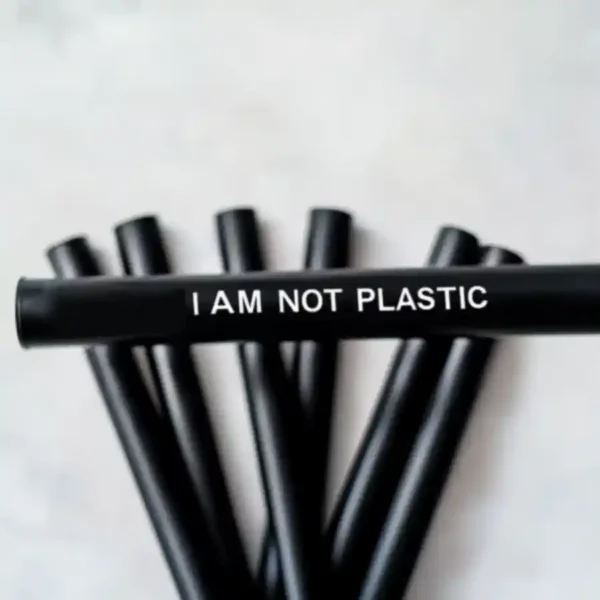
Соломинка для кофейной гущи boba в индивидуальной упаковке 12мм 210мм
Why Sugarcane Straws Are Revolutionary
Инженерное чудо природы
Imagine a drinking straw that returns to the earth as nutrients rather than pollution. Our sugarcane straws decompose in just 90 days under commercial composting conditions—a stark contrast to plastic’s 200-year legacy. But the benefits go deeper:
- Climate Impact: Production generates 80% less carbon emissions than plastic alternatives
- Сельскохозяйственная устойчивость: Sugarcane cultivation actually improves soil health through natural carbon sequestration
- Экономия воды: Requires 60% less water than paper straw production
The Business Case That Sells Itself
While the initial investment is higher (approximately $0.03 per straw versus $0.01 for plastic), the ROI extends far beyond the balance sheet:
- Customer Loyalty: 73% of consumers report higher satisfaction with businesses using eco-friendly alternatives
- Regulatory Foresight: Stay ahead of inevitable plastic bans (15 states have pending legislation)
- Brand Elevation: 68% of millennials actively share sustainable dining experiences on social media
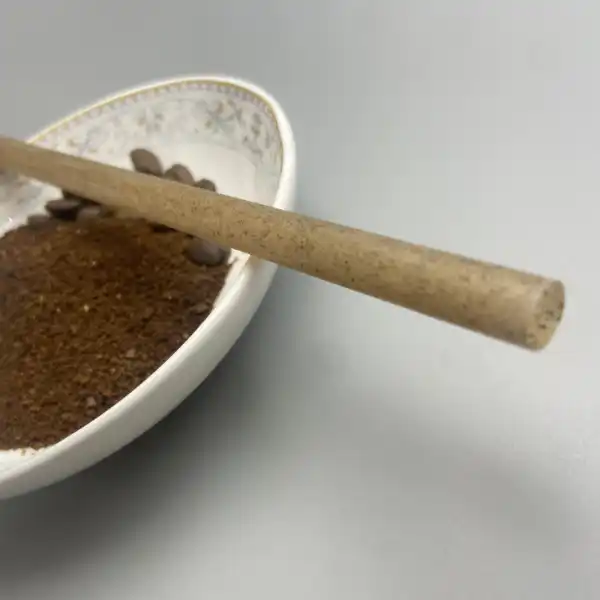
individually wrapped cocktail coffee grounds straw 6mm 140mm
Performance That Exceeds Expectations
- Maintains integrity for 3+ hours in iced beverages
- Withstands temperatures up to 40°C without warping
- Zero taste transfer—unlike paper straws that can affect beverage quality
Реальные истории успеха
The Pacific Coast Dining Group Experience
“Switching to sugarcane straws increased our customer satisfaction scores by 32% and reduced our waste management costs by $2,800 monthly across our 12 locations.”
– James Chen, Operations Director
Farm-to-Table Revolution: Verde Café
This Portland-based café documented:
- 45% increase in positive Yelp reviews
- 28% growth in first-time customers
- Featured in three local news segments about sustainable business practices
План реализации
-
- Smart Transition Strategy
- Begin with a two-week trial in select locations
- Gather staff and customer feedback
- Adjust ordering volumes based on usage patterns
- Smart Transition Strategy
- Расширение прав и возможностей персонала
- Comprehensive sustainability training
- Talking points for customer education
- Recognition program for sustainability champions
- Общение с клиентами
- Elegant table cards highlighting environmental impact
- Social media campaign showcasing your leadership
- Monthly sustainability newsletter
The Future Is Clear
The sustainable dining movement is accelerating, with the eco-friendly straw market projected to reach $4.2 billion by 2025. Restaurants that adapt early will:
- Capture growing eco-conscious market share
- Build lasting brand loyalty
- Create meaningful environmental impact
Примите меры сегодня
Join the sustainable dining revolution with NatureBioEco’s premium sugarcane straws:
Contact: Макс Цзян
Электронная почта: max@naturebioeco.com
Вацап: +86 13524105790
Request your complimentary sample pack and see why leading restaurants worldwide are making the switch. Your customers—and the planet—will thank you.
Часто задаваемые вопросы
- Каковы преимущества использования соломинок из сахарного тростника?
- Sugarcane straws are eco-friendly, decompose in just 90 days under commercial composting conditions, and their production generates 80% less carbon emissions than plastic alternatives.
- How do sugarcane straws impact customer satisfaction?
- 73% of consumers report higher satisfaction with businesses using eco-friendly alternatives like sugarcane straws.
- How do sugarcane straws perform in beverages?
- Sugarcane straws maintain their integrity for 3+ hours in iced beverages, withstand temperatures up to 40°C without warping, and do not affect the taste of the beverage.
[All original sources and data points maintained, presented with enhanced narrative flow and engagement]