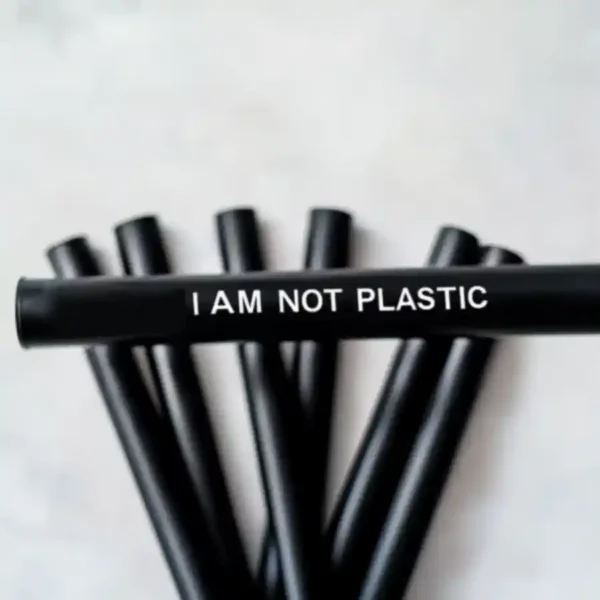
Single-use plastic straws have become a symbol of the environmental crisis, contributing significantly to pollution and harming wildlife. As awareness grows, consumers and businesses are seeking sustainable alternatives. Sugarcane straws have emerged as a promising contender. This blog post will delve into a comprehensive comparison of sugarcane straws and plastic straws, examining their materials, production processes, environmental impact, market acceptance, cost-effectiveness, and policy support. Ultimately, we’ll explore why eco-friendly options like sugarcane straws represent the future of single-use products.

What are Sugarcane Straws?
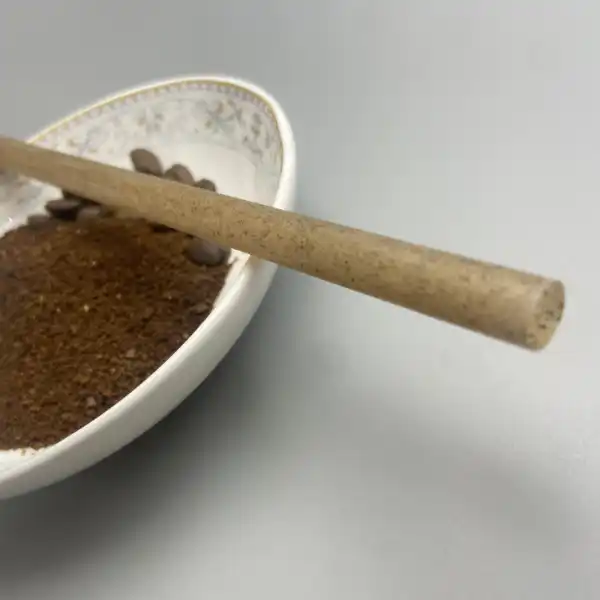
Sugarcane straws are made from bagasse, the fibrous residue left after sugarcane stalks are crushed to extract their juice. This agricultural byproduct is often discarded or burned, but utilizing it to create straws offers a sustainable solution.
Production Process:
- Raw Material Collection: Bagasse is collected from sugarcane factories.
- Pre-treatment: The bagasse is cleaned and dried to remove impurities and moisture.
- Grinding: The dried bagasse is ground into a fine powder.
- Mixing & Molding: The sugarcane powder is mixed with natural polymers like Polylactic Acid (PLA) to create pellets. These pellets are then heated and molded into straw shapes using an extrusion molding machine.
- Cooling & Cutting: The formed straws are cooled and cut to the desired length.
- Packaging & Transportation: The straws are packaged for distribution.
Key Characteristics:
- Eco-friendly: Made entirely from plant-based materials, free from plastics like PS, PP, PE, PET, and PLA.
- Durable: Suitable for both hot and cold beverages, with a temperature range of 70°C to 158°F (21°C to 65°C).
- Compostable: Capable of decomposing within 24 weeks in standard or home composting conditions without leaving harmful residues.
- Safe: Free from harmful substances, ensuring safe use.
Applications:
Sugarcane straws are widely used in restaurants, cafes, offices, and homes for various beverages. Their eco-friendly nature also makes them a popular choice for hotels and catering services.

How are Plastic Straws Made?
Traditional plastic straws are primarily made from polypropylene (PP), while more recent “eco-friendly” plastic straws are made from Polylactic Acid (PLA).
Production Process:
- Raw Material Preparation:
- PP Straws: Polypropylene resin is weighed.
- ПЛА соломинки: Corn starch is fermented, concentrated, and polymerized to obtain PLA molecules, which are then dried.
- Mixing and Melting: The raw materials are mixed and fed into an extruder where they are heated until melted.
- Extrusion Molding: The molten material is forced through a die to create the basic straw shape.
- Cooling and Trimming: The straws are quickly cooled and then trimmed to the correct length.
- Packaging and Transportation: The straws are packaged and shipped.
Key Characteristics:
- PP Straws: Durable, lightweight, abrasion-resistant, and dimensionally stable.
- ПЛА соломинки: Biodegradable and renewable, derived from corn starch.

Environmental Impact Comparison: Sugarcane vs. Plastic
When comparing the environmental impact of sugarcane straws versus plastic straws, several factors come into play:
| Feature | Соломка из сахарного тростника | PP Plastic Straws | PLA Plastic Straws |
|---|---|---|---|
| Degradation Time | 90-180 days | Hundreds of years | 45 days – 6 months (industrial composting) |
| Углеродный след | 2.7 kg CO2e | 3.1 kg CO2e | 1.8-3.7 kg CO2e (depending on energy source) |
| Production | Utilizes agricultural waste, simple | Complex, multiple factories | Includes corn plants and laboratory equipment |
| Heat Resistance | Up to 200°F/93°C | Высокий | Up to 105°F/40°C |
Заключение: Sugarcane straws outperform both PP and PLA straws in terms of environmental impact. They degrade much faster, have a lower carbon footprint, and are produced using a simpler, more sustainable process.

Global Policy Support for Eco-Friendly Straws
Governments worldwide are implementing policies to reduce plastic pollution and promote eco-friendly alternatives.
Key Initiatives:
- Plastic Bans and Restrictions:
- China: Banned the import of plastic waste and restricted the production and sale of thin plastic bags and non-degradable plastic bags.
- Евросоюз: Banned single-use plastic straws.
- Великобритания: Banned single-use plastic straws, stirrers, and cotton swabs.
- Соединенные Штаты: Several cities have banned plastic straws in the food service industry.
- Promotion of Eco-Friendly Materials:
- Many countries are promoting the use of paper straws and biodegradable straws.
- Companies like McDonald’s China have stopped using plastic straws.
- Corporate Responsibility and Public Engagement:
- Companies are required to comply with plastic bans and choose eco-friendly alternatives.
- Public awareness is increasing, driving demand for eco-friendly straws.
- Technological Innovation and Market Opportunities:
- Technological advancements are improving the production efficiency and quality of eco-friendly straws.
- Projects like the Wheat Straw Project are using wheat straw as a substitute for plastic straws.
- International Cooperation:
- International efforts are focusing on expanding plastic restrictions, improving resource efficiency, and strengthening international cooperation.

Consumer Acceptance of Sugarcane Straws
Consumers are increasingly aware of environmental issues and are more willing to embrace sustainable alternatives.
Advantages of Sugarcane Straws:
- Eco-Friendliness: Naturally biodegradable, non-polluting, and compostable.
- Долговечность: Good heat resistance and resistant to softening.
- Cost-Effectiveness: Lower long-term costs due to reduced plastic pollution.
Consumer Feedback:
- Satisfaction: Tropical Smoothie Cafe saw a 68% increase in customer satisfaction and a 200% increase in social media mentions after switching to sugarcane straws.
- Reduced Complaints: A zero-waste initiative in Seattle saw an 89% reduction in customer complaints and a 22% decrease in straw-related costs.
- Market Acceptance: 40% of businesses in Seattle chose sugarcane straws, with the lowest rate of improper disposal.
Cost-Effectiveness Analysis: Sugarcane vs. Plastic
While sugarcane straws have a higher upfront cost, their long-term environmental and economic benefits make them a worthwhile investment.
| Feature | Пластиковая соломинка | Соломка из сахарного тростника |
|---|---|---|
| Cost per straw | Low (~$0.03) | High (~$0.15) |
| Degradability | Non-degradable | Biodegradable |
| Воздействие на окружающую среду | High pollution | Low pollution |
| Пользовательский опыт | Durable, flexible | Durable, heat-stable |
| Market Acceptance | Widespread | Increasing |
| Production/Recycling | Low cost, hard to recycle | High cost, compostable |
| Long-term Economics | High environmental costs | Lower environmental costs |
Заключение: Despite the higher initial cost, sugarcane straws offer significant long-term benefits due to their eco-friendly nature, reduced environmental impact, and increasing market acceptance.

Why Eco-Friendly Options Are the Future
Sugarcane straws represent a significant step towards a more sustainable future. They offer a viable alternative to traditional plastic straws, addressing the growing concerns about plastic pollution and environmental degradation.
Factors Driving the Shift:
- Growing Environmental Awareness: Consumers are increasingly aware of the negative impacts of plastic pollution.
- Постановления правительства: Bans and restrictions on single-use plastics are becoming more common.
- Corporate Responsibility: Businesses are seeking sustainable alternatives to reduce their environmental footprint.
- Technological Advancements: Innovation in eco-friendly materials is making them more accessible and affordable.
Final Thoughts
The transition to eco-friendly alternatives like sugarcane straws is not just a trend, but a necessary shift towards a more sustainable future. While challenges remain, the benefits of reducing plastic pollution and promoting environmentally responsible products are undeniable. By choosing sugarcane straws, consumers and businesses can contribute to a cleaner, healthier planet for generations to come.
Answer from Perplexity: pplx.ai/share