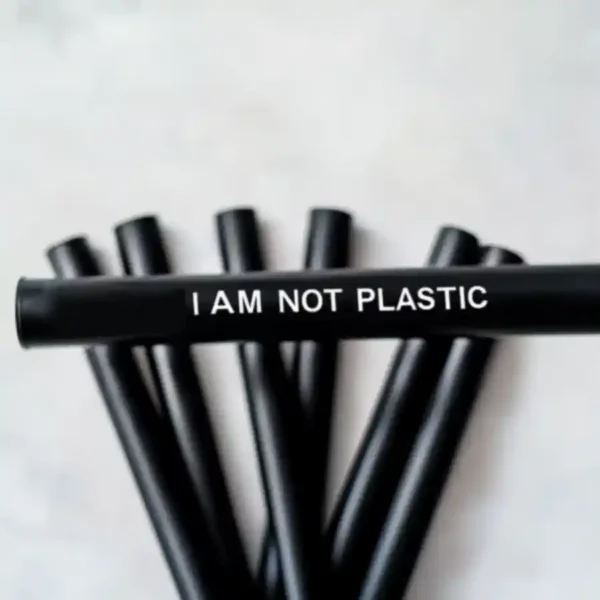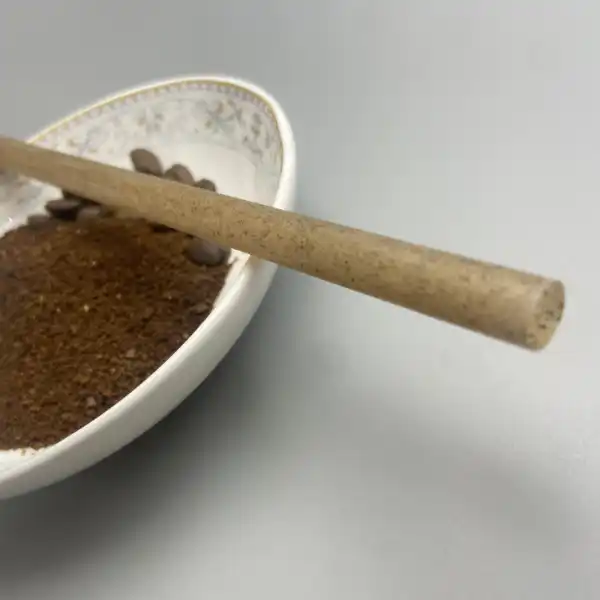
Экологичная соломинка из сахарного тростника для B2B: соответствует требованиям & Экономичный

В прошлом месяце в оживленном кафе в Сиэтле я наблюдал, как официант объяснял разочарованному клиенту, почему они больше не предлагают пластиковые трубочки. «Городское постановление», — пожала она плечами, прежде чем предложить бумажную альтернативу, которая быстро размокла в холодном кофе, приготовленном покупателем. Эта сцена разыгрывается тысячи раз в день по всему миру, поскольку запрет на использование пластиковых соломинок распространяется от Калифорнии до Европейского Союза и за его пределами.
Для владельцев бизнеса дилемма пластиковых трубочек представляет собой нечто большее, чем просто проблема обслуживания клиентов — она стала проблемой соблюдения нормативных требований, влекущей за собой потенциальные финансовые санкции. Только в Сиэтле предприятия могут быть оштрафованы на сумму до 250 долларов за нарушение при раздаче одноразовых пластиковых трубочек. Глобальный отказ от пластиковых трубочек создал острую потребность в альтернативах, которые удовлетворяют как нормативным требованиям, так и ожиданиям клиентов.
Познакомьтесь с соломкой из сахарного тростника — устойчивой альтернативой, которая быстро становится золотым стандартом для предприятий, переживающих этот переход. В отличие от своих бумажных аналогов, которые быстро портятся в жидкостях, или «компостируемого» пластика PLA, требующего промышленной переработки, соломинки из сахарного тростника отличаются долговечностью, производительностью и реальной пользой для окружающей среды.
В NatureBioEco мы потратили годы на совершенствование наших экологически чистых соломинок из сахарного тростника, чтобы они соответствовали строгим требованиям индустрии гостеприимства. Наши соломинки сохраняют свою структуру в течение нескольких часов в горячих и холодных напитках — они не размокают в середине глотка, не теряют неожиданный вкус и, что особенно важно, не разочаровывают клиентов.
По прогнозам, к 2025 году мировой рынок экологически чистых соломинок превысит 3 миллиарда долларов, что отражает как давление со стороны регулирующих органов, так и изменение потребительских предпочтений. Для дальновидных компаний это представляет собой не просто проблему соблюдения требований, но и возможность дифференциации. Узнайте, как наши экологичные соломинки могут стать неотъемлемой частью вашей стратегии экологически чистого бизнеса..
Давайте выясним, почему соломинка из сахарного тростника стала предпочтительным решением для предприятий во всем мире и почему предложения NatureBioEco выделяются на этом быстро развивающемся рынке.
Соответствие нормативным требованиям: сертификаты на экологически чистую соломку из сахарного тростника

The regulatory landscape for single-use items is becoming increasingly complex. Over 60 countries have now implemented some form of plastic straw regulation, with penalties ranging from modest fines to substantial per-violation charges. In the European Union alone, the Single-Use Plastics Directive affects over 2 million businesses that must transition away from plastic straws.
For businesses operating acros multiple jurisdictions, navigating these regulations can be particularly challenging. That’s why certification matters. NatureBioEco’s sugarcane straws meet rigorous global standards, providing peace of mind for businesses with international operations or supply chains.
Our straws are certified by the FDA для безопасности контакта с пищевыми продуктами, гарантируя, что они соответствуют тем же строгим стандартам, что и любой другой продукт, контактирующий с пищевыми продуктами. Эта сертификация имеет решающее значение не только для соблюдения нормативных требований, но и для доверия клиентов. Кроме того, наши соломинки сертифицированы LFGB — немецким стандартом безопасности пищевых продуктов, который часто считается даже более строгим, чем требования FDA.
Что это означает для вашего бизнеса на практике? Это означает:
- Документация для инспекторов здравоохранения и соблюдение нормативных требований
- Защита от потенциальных проблем с ответственностью
- Преимущество для экологически сознательных потребителей
- Упрощенные закупки в нескольких местах или странах
Сеть ресторанов с офисами в Калифорнии, Вашингтоне и Нью-Йорке недавно сообщила нам, что они сократили время на обеспечение соответствия требованиям на 70% после перехода на наши сертифицированные соломинки из сахарного тростника, что устраняет необходимость закупать разные продукты для разных нормативных сред.
Чем экологичная соломинка из сахарного тростника отличается от других экологических альтернатив

Не все экологически чистые соломинки одинаковы. Владельцы бизнеса часто выражают недоумение по поводу различных альтернатив на рынке — бумаги, «биопластика» PLA, бамбука, металла, стекла и, конечно же, сахарного тростника. Каждый из них имеет определенные компромиссы с точки зрения производительности, стоимости и воздействия на окружающую среду.
Вот как соломинки из сахарного тростника сравниваются с другими популярными альтернативами:
| Альтернатива | Долговечность | Качество обслуживания клиентов | Воздействие на окружающую среду | Цена | Утилизация |
|---|---|---|---|---|---|
| ———-- | ———— | ——————— | ——————-- | ———-- | ——-- |
| Сахарный тростник (ПриродаБиоЭко) | 2-3 часа в жидкостях | Естественный ощущение, без переноса вкуса | Биоразлагаемый, компостируемый в домашних условиях | $$ | Обычные отходы или компост |
| Бумага | 30-60 минут | Часто становится сырым, может повлиять на вкус | Биоразлагаемый | $ | Обычные отходы или компост |
| ПЛА «Биопластик» | Отличный | Похоже на пластик | Требуется промышленное компостирование. | $$ | Только промышленное компостирование |
| Бамбук | Отличный | Натуральное ощущение, случайный вкус | Биоразлагаемый | $$$ | Компост |
| Металл/Стекло | Неопределенный | Холодная/горячая передача, требуется очистка | Многоразовый, не биоразлагаемый | $$$$ | Требуется стирка |
Согласно недавнему опросу индустрии гостеприимства, 78% клиентов сообщили о недовольстве бумажными трубочками, указав в качестве основной жалобы «сырые трубочки». Это недовольство напрямую влияет на качество обеда и потенциально влияет на повторные посещения.
Соломинки из сахарного тростника решают эту проблему, предлагая характеристики, сравнимые с пластиковыми, сохраняя при этом реальную экологическую пользу. Они достаточно прочные для приготовления густых коктейлей, но удобны для коктейлей. Натуральный состав означает отсутствие неприятных привкусов даже при использовании горячих напитков.
A café owner in Portland mentioned to us: “We tried paper straws for six months and received dozens of complaints. After switching to sugarcane, not only did the complaints stop, but customers actively commented on how much they appreciated our sustainable choice.”
Основные преимущества для бизнеса от перехода на экологически чистую соломку из сахарного тростника

The decision to switch to sustainable straws isn’t just about compliance or environmental consciousnes—there are tangible busines benefits that make sugarcane straws a smart investment.
### Cost Effectivenes Over Time
While the per-unit cost of sugarcane straws is slightly higher than conventional plastic (approximately 2-3 cents more per straw), the total busines impact often favors the sustainable option. Consider:
- Avoidance of regulatory fines (which can reach thousands of dollars annually)
- Marketing value and brand enhancement
- Customer loyalty and preference
A mid-sized hotel chain that switched to NatureBioEco sugarcane straws calculated their effective ROI at 127% when factoring in enhanced customer satisfaction and regulatory compliance savings.
### Customer Perception and Brand Alignment
Today’s consumers increasingly make purchasing decisions based on environmental considerations. A global Nielsen survey found that 73% of millennials are willing to pay more for sustainable options, and this preference extends to their choice of establishments.
When a beachside resort in Florida switched to our sugarcane straws, they not only highlighted this change in their marketing materials but also trained staff to mention it when serving drinks. The result? A 22% increase in positive social media mentions and a measurable uptick in bar revenue.
### Operational Simplicity
Unlike some alternatives (particularly reusable options like metal straws), sugarcane straws require no special handling, washing, or disposal procedures. They integrate seamlessly into existing operations, requiring no additional staff training or procedure changes.
Воздействие на окружающую среду: почему экологичная соломинка из сахарного тростника выигрывает
The environmental case for sugarcane straws is compelling and multifaceted. According to the ЮНЕП, agricultural byproduct-based alternatives like sugarcane straws represent one of the most promising solutions to single-use plastic pollution.
NatureBioEco’s sugarcane straws are produced from the bagasse—the fibrous byproduct left after sugar extraction. This represents a brilliant form of upcycling, using material that would otherwise be discarded. By repurposing this agricultural waste, we create value while avoiding additional resource extraction.
The carbon footprint advantage is substantial. A lifecycle assessment study found that sugarcane-based products can reduce greenhouse gas emissions by up to 80% compared to their plastic counterparts. For a medium-sized café serving 500 drinks daily, switching to sugarcane straws can prevent approximately 1.2 tons of carbon dioxide equivalent emissions annually.
Perhaps most importantly for practical disposal, our sugarcane straws are home compostable, breaking down in standard compost conditions within 90-180 days. This means they don’t require specialized industrial composting facilities like PLA bioplastics do—a critical advantage for real-world waste management.
A hotel manager in Barcelona noted: “We previously used PLA straws marketed as ‘compostable,’ only to discover they couldn’t actually be processed in our local waste system. With sugarcane straws, we know they’ll break down whether they end up in industrial composting, home composting, or even landfill.”
Learn more about the comprehensive environmental benefits of our wholesale sugarcane straws.
Практический пример: успех устойчивой соломинки сахарного тростника в действии
Green Coast Hospitality Group operates 12 beachfront properties along California’s coast. When plastic straw bans were implemented in 2019, they initially switched to paper straws—a decision that quickly led to customer complaints and operational challenges.
“Paper straws were disintegrating in tropical drinks before customers could finish them,” explains Maria Sanchez, Green Coast’s Sustainability Director. “We were using double straws, which increased our costs and waste, and still receiving negative feedback.”
After testing multiple alternatives, Green Coast partnered with NatureBioEco for customized sugarcane straws featuring their logo. The results were immediate and substantial:
- 94% reduction in straw-related customer complaints
- $32,000 annual savings from reduced straw consumption (no more double-straws needed)
- Featured in local pres for their sustainability initiatives
- 3-star increase in their average beverage satisfaction rating
“Sugarcane straws perform almost identically to plastic, but with a sustainability story we can proudly share with our guests,” says Sanchez. “We’ve even included information about them in our room compendiums as part of our broader sustainability narrative.”
Green Coast estimates the switch has prevented approximately 3.6 million plastic straws from potentially entering the ocean annually. The branded straws have become a conversation starter among guests, creating organic opportunities for staff to highlight other sustainability initiatives.
Часто задаваемые вопросы
- What makes sugarcane straws better than paper straws?
- Unlike paper straws that typically begin deteriorating after 30-60 minutes in liquid, our sugarcane straws maintain their structure for 2-3 hours. They won’t go soggy or collapse mid-drink, preventing the frustration many customers experience with paper alternatives. They also don’t affect the taste of beverages, whereas paper straws can sometimes impart a cardboard-like flavor.
- Соломинка из сахарного тростника дороже, чем пластиковая соломинка?
- On a per-unit basis, sugarcane straws typically cost 2-3 cents more than conventional plastic straws. However, when factoring in potential regulatory fines (which can reach hundreds or thousands of dollars), marketing benefits, and customer preference, many businesses find them cost-effective overall. We also offer volume discounts that can significantly reduce the price gap for regular bulk orders.
- Can NatureBioEco provide custom branding on sugarcane straws?
- Absolutely! We offer customization services for orders starting at 100,000 units. Your logo can be elegantly printed on the straws or wrapper, transforming a necessary item into a brand touchpoint. Custom colors are also available to match your brand identity. Contact us for customization options and minimum order details.
- Как долго разлагается соломинка сахарного тростника?
- Under home composting conditions, our sugarcane straws typically decompose within 90-180 days. This is significantly faster than PLA “bioplastic” straws, which require industrial composting facilities and can take a year or more under those conditions. Even in landfill conditions, our straws will eventually break down, unlike conventional plastic that persists for centuries.
- Работают ли соломинка из сахарного тростника с горячими напитками?
- Yes! Unlike some alternatives that warp or melt in hot liquids, our sugarcane straws maintain their integrity in temperatures up to 190°F (88°C). This makes them suitable for hot coffee, tea, and other warm beverages, providing versatility acros your entire menu.
- What certifications do NatureBioEco sugarcane straws have?
- Our straws are FDA certified for food contact safety and also carry LFGB certification (the German food safety standard). These certifications ensure the straws meet stringent safety requirements for any food-contact application. We can provide certification documentation for your regulatory compliance records.
- Какой минимальный объем заказа для оптовых закупок?
- Our standard minimum order is 10,000 straws, but we’re happy to discus your specific needs. Volume discounts begin at 50,000 units, with significant price breaks at 100,000 and 500,000 units. For distributors or large chains, we offer specialized pricing structures—please contact us for a customized quote.