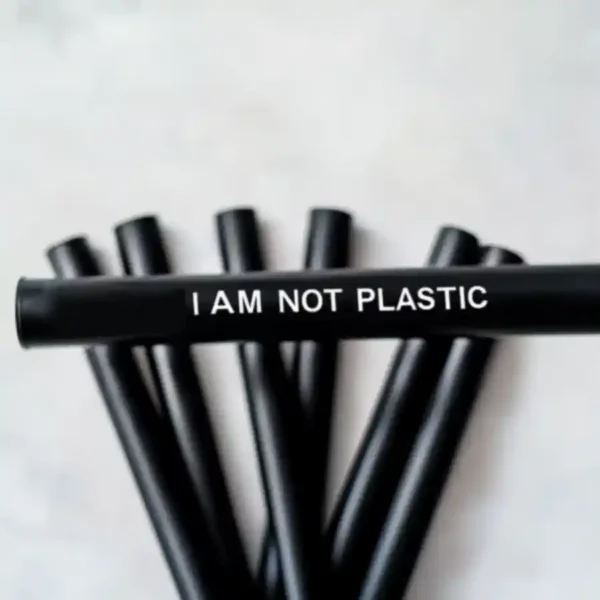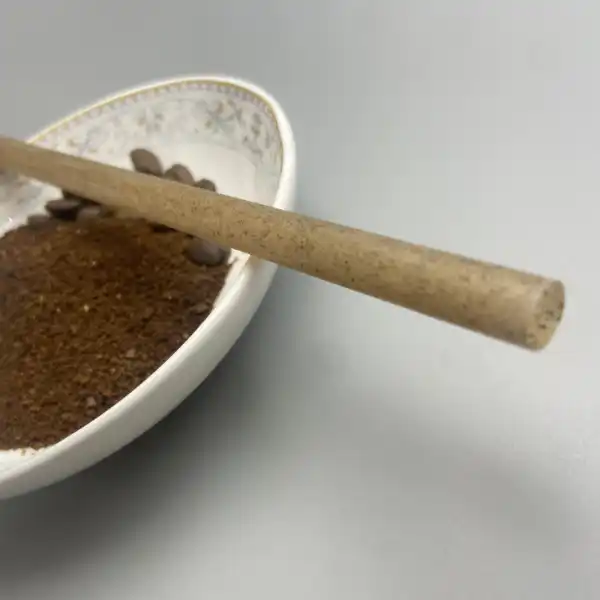
With a growing trend of using biodegradable straws as an environmentally friendly alternative to plastic, it’s important to consider the potential downsides of these eco-friendly products, especially from the perspective of a purchasing or procurement manager.
 Higher Costs of Biodegradable Straws
One of the most significant drawbacks of biodegradable straws is the higher cost compared to traditional plastic straws. The price difference is often substantial, with biodegradable options typically costing 20-30% more than their plastic counterparts. This price hike can be a barrier for small businesses, such as cafés or restaurants, that operate on tight margins. The higher price point may not always be justifiable, especially when there isn’t consumer demand or regulatory pressure to adopt biodegradable alternatives.
The increased cost is primarily due to the raw materials used in biodegradable plastics, such as corn starch, potatoes, and cassava, which are more expensive than petroleum-based plastics. The production process is also more complex, which further increases the cost.
 Quality and Functionality Issues

Хотя биоразлагаемые соломинки предлагают более экологичный вариант, они не лишены проблем с качеством. Например, бумажные трубочки имеют тенденцию становиться сырыми при использовании в горячих напитках или в течение длительного времени, что приводит к ухудшению пользовательского опыта. Соломинки PLA (полимолочная кислота), еще один распространенный тип биоразлагаемых трубочек, могут потерять структурную целостность при воздействии высоких температур, что делает их непригодными для горячих напитков.
Эти проблемы могут привести к неудовлетворенности клиентов, и если биоразлагаемые соломинки не будут работать должным образом, предприятия могут быть вынуждены вернуться к традиционным пластиковым соломинкам. Для предприятий важно взвесить эти функциональные недостатки, прежде чем переходить на биоразлагаемые альтернативы.
Limitations of Composting and Biodegradation
Еще одна проблема, связанная с биоразлагаемыми соломинками, — это ограничения, связанные с их компостированием и биоразложением. Хотя эти соломинки предназначены для более быстрого разрушения, чем обычные пластики, для их эффективного разложения часто требуются особые условия.
Например, многие биоразлагаемые материалы необходимо перерабатывать на промышленных предприятиях по компостированию с контролируемыми уровнями температуры и влажности. К сожалению, такие возможности имеются не везде. Если биоразлагаемые соломинки окажутся на свалке, а не на предприятии по компостированию, на их разложение могут уйти годы, что подрывает их экологические преимущества.
Variations in Types of Biodegradable Straws

The market offers a range of biodegradable straws, including those made from paper, PLA, sugarcane, and other plant-based materials. However, not all biodegradable straws are created equal. Differences in material composition can affect both performance and environmental impact.
For example, some paper straws may disintegrate too quickly in drinks, making them unsuitable for some applications. PLA straws, on the other hand, might not hold up well with hot beverages. These variations complicate the decision-making process for both suppliers and consumers. It’s important to select the right type of biodegradable straw based on the specific needs of your business or customers.
The Environmental Impact of Biodegradable Straws

While biodegradable straws are marketed as a greener alternative to plastic, their actual environmental benefits are more complex. Several factors influence their environmental footprint, such as the energy used in production, transportation emissions, and the method of disposal.
For example, if biodegradable straws are mixed with regular plastic waste, they may not decompose as intended. Furthermore, the production of biodegradable plastics can sometimes require significant energy and resources, potentially reducing the overall environmental advantage when compared to other sustainable options.
Заключение
Целью этой статьи является дать всесторонний обзор недостатков биоразлагаемых соломинок, подчеркнув их более высокую стоимость, проблемы с качеством и функциональностью, ограничения компостирования и биоразложения, различия в типах биоразлагаемых соломинок и фактическое воздействие на окружающую среду. Понимая эти нюансы, читатели смогут принимать обоснованные решения о выборе и эффективном использовании биоразлагаемых соломинок. Чтобы получить больше информации об экологически чистых продуктах, ознакомьтесь с другими нашими статьями об экологически чистой упаковке и биоразлагаемых столовых приборах.
Цитаты:
[1] https://greenprintproducts.com/biodegradable-straws/
[2] https://www.sandia.org/sandia-area-blog/the-impact-of-reusable-and-biodegradable-straws
[3] https://lomi.com/blogs/news/best-compostable-biodegradable-straws
[4] https://strawbystraw.com/blogs/news/biodegradable-straws-a-sustainable-alternative-to-plastic
[5] https://renouvo.net/biomass-materials/which-plants-can-be-made-into-straws-differences-between-seven-types-of-plant-based-straws/
[6] https://greenbusinessbureau.com/blog/how-big-a-difference-can-biodhow-big-a-difference-can-biodegradable-straws-make-to-the-environmentegradable-straws-make-to-the-environment/