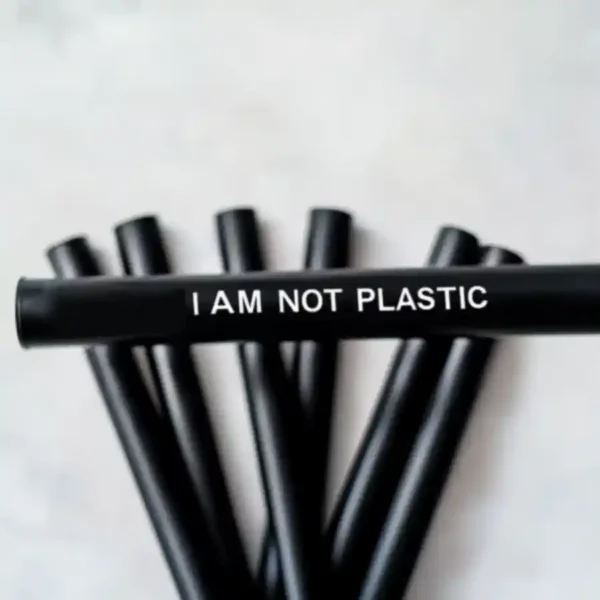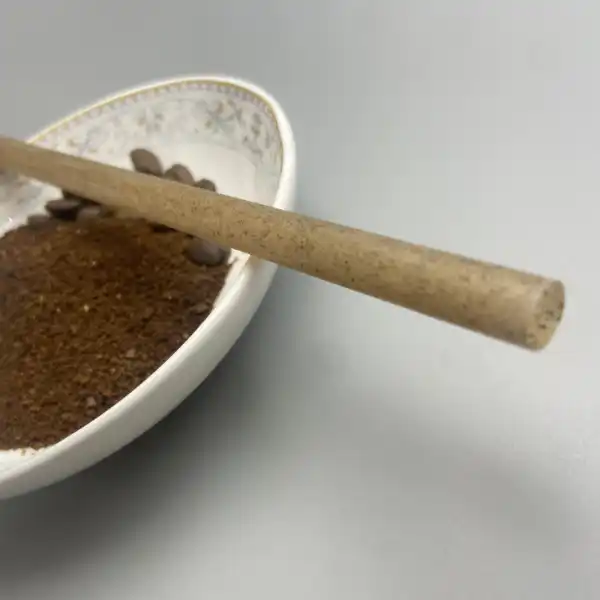

Глобальный сдвиг в сторону устойчивого развития сделал экологически чистые соломинки важной темой для бизнеса и потребителей. Растущая осведомленность о разрушительных последствиях пластикового загрязнения – от вреда морской жизни до загрязнения микропластиком – оказывает все большее давление на компании, заставляющие их использовать альтернативу пластиковым соломинкам. В этом руководстве представлены действенные стратегии, позволяющие убедить клиентов перейти на новую версию, а также решить проблемы, связанные с стоимостью, долговечностью и эффективностью.
Understanding the Urgency: Why Eco-Friendly Straws Matter
Пластиковые соломинки разлагаются более 500 лет, вымывая токсины и ежегодно образуя 8 миллионов тонн пластиковых отходов, попадающих в океаны. Биоразлагаемые соломинки, изготовленные из сахарного тростника, бамбука или PLA, в условиях компостирования разлагаются за несколько недель. Переход на экологически чистые соломинки, такие как соломинки из сахарного тростника, согласовывает бизнес с глобальными инициативами, такими как запрет на одноразовый пластик, и обращается к экологически сознательным потребителям, стимулируя рыночный спрос. Это не просто экологическая проблема; это бизнес-императив. Игнорирование растущего потребительского спроса на экологически чистую продукцию может привести к репутационному ущербу и потере доли рынка. Например, недавний опрос показал, что 70% потребителей готовы платить больше за экологически чистые продукты, что представляет собой значительный неиспользованный рынок.
Key Benefits of Eco-Friendly Straws
1. Снижение воздействия на окружающую среду
Compostable materials like sugarcane bagasse and bamboo reduce landfill waste. Plant-based straws from sugarcane have a 60% lower carbon footprint than petroleum-based plastics. Unlike plastic, biodegradable options dissolve without toxic residues, protecting aquatic life. Quantify this impact for your customers: Switching from 10,000 plastic straws per month to biodegradable alternatives prevents approximately one ton of landfill waste annually. This tangible reduction is a powerful selling point.
2. Enhanced Brand Reputation
Внедрение экологически чистой продукции позиционирует ваш бизнес как лидера в области устойчивого развития, привлекая экологически сознательных потребителей. Более 70% потребителей предпочитают бренды с сильной экологической этикой. Персонализированный дизайн на сахарном тростнике или бумажных трубочках повышает узнаваемость бренда, одновременно повышая экологическую ценность. Рассмотрите возможность сотрудничества с экологическими НПО для проведения совместных маркетинговых кампаний для дальнейшего повышения имиджа вашего бренда. Например, спонсирование уборки местного пляжа и увязка ее с продажей соломы создает мощную историю.
3. Соблюдение нормативных требований
With plastic bans enforced in 127 countries, switching to compostable straws ensures compliance, avoiding fines and reputational damage associated with outdated practices. Proactive compliance demonstrates responsible business practices and reduces legal risk. Staying informed about evolving regulations in your target markets is crucial.
Addressing Customer Pain Points

Reliable Sources for Eco-Friendly Sugarcane Straws
Partner with certified suppliers like UrthPact (USA-made PLA) or EQUO (global sugarcane distributors) for bulk purchasing discounts and guaranteed quality. Negotiate contracts that guarantee consistent supply and quality. Consider building relationships with multiple suppliers to mitigate risk.
Effective Marketing Strategies for Sugarcane Straw Adoption
Educate Through Storytelling:
Use compelling data: “Switching 10,000 plastic straws monthly prevents 1 ton of annual landfill waste.” Highlight partnerships with NGOs for beach cleanups or tree-planting campaigns linked to straw sales. Craft a narrative that resonates with your target audience, emphasizing the positive impact of their choice.
Leverage Social Proof:
Feature customer testimonials: “Our customers love sugarcane straws—they’re sturdy and planet-friendly!” (Café Green Story). Use hashtags like #PlasticFreeFuture or #SustainableSipping to engage eco-minded communities. Run social media campaigns showcasing the positive feedback you receive from customers.
Offer Incentives:
Пакетные скидки (например, купите 5000 соломинок сахарного тростника и получите 500 бесплатно). Внедрите программу лояльности, поощряющую повторные покупки экологически чистых трубочек. Рассмотрите возможность предложения бесплатных образцов или пробных периодов, чтобы клиенты могли лично убедиться в качестве продукта. Поэтапный подход, начиная с пилотной программы в конкретном месте, позволяет собрать данные и уточнить вашу маркетинговую стратегию. Вознаграждайте клиентов, которые приносят многоразовые трубочки, скидкой 10 % на свой заказ.
Case Study: Successful Transition to Sugarcane Straws
Сеть кафе в Калифорнии заменила пластиковые соломинки альтернативой сахарному тростнику, что привело к увеличению активности в социальных сетях (посты на эко-тематику) на 40 % и росту доходов на 22 % за счет увеличения трафика клиентов благодаря инициативам в области устойчивого развития. Их прозрачное послание — «Каждый глоток делает океан чище» — стало ключом к их успеху. Это демонстрирует мощную связь между устойчивым развитием и лояльностью к бренду. Увеличение посещаемости предполагает, что значительная часть их клиентской базы активно ищет экологически сознательные предприятия, подчеркивая выгодные рыночные возможности для предприятий, желающих внедрить устойчивые методы.

Часто задаваемые вопросы об экологически чистых соломинках
Вопрос 1: Как долго соломинки из сахарного тростника хранятся в напитках?
A: Up to 4 hours without softening, suitable for most beverages. This durability is comparable to plastic straws, addressing a common concern about the practicality of eco-friendly alternatives.
Q2: Are biodegradable options cost-effective for small businesses?
A: Yes! Bulk purchasing reduces per-unit costs by 30–50%. This cost-effectiveness, coupled with potential marketing advantages, makes the switch financially viable for businesses of all sizes. Consider negotiating bulk discounts with suppliers to maximize savings.
Q3: Can they handle hot liquids?
A: Sugarcane and PLA straws withstand temperatures up to 85°C, making them suitable for a wide range of hot and cold beverages. This versatility ensures compatibility with various menu offerings.
Q4: Where can I dispose of compostable straws?
A: Home compost bins (2–6 months decomposition time) or industrial composting facilities (8–12 weeks). Clearly communicating disposal instructions to customers is crucial for maximizing the environmental benefits. Consider providing clear signage in your establishment.
Call to Action: Try Free Samples Today!
Ready to make the switch? Request free samples of sugarcane straws and experience their durability firsthand. Join thousands of businesses already reducing their environmental impact with sustainable alternatives.
Time to Go Green: The Eco-Friendly Straw Revolution
👉 Кликните сюда to Claim Your Free Pack! By addressing concerns head-on and emphasizing tangible benefits—from cost savings to brand growth—you’ll empower customers to embrace sustainable choices confidently. The future is green; make sure your business leads the way!
Exploring Eco-Friendly Straw Options: Sugarcane and Beyond
This section delves into the benefits of switching from plastic straws to eco-friendly alternatives, focusing on sugarcane straws and their environmental impact—one sip at a time.

The Science Behind Biodegradable Straws
Biodegradable straws, such as those made from PLA (polylactic acid) derived from renewable resources like corn starch, break down through natural processes, significantly reducing their environmental footprint compared to traditional plastic straws. This contrasts sharply with the persistent pollution caused by plastic straws, which often end up in landfills or oceans. The use of renewable resources also contributes to a more sustainable supply chain.
Global Trends and Market Insights for Eco-Friendly Straws
The global market for eco-friendly straws, including sugarcane straws, is projected to grow at a CAGR of 12.5% from 2021 to 2028, driven by increasing consumer awareness of environmental issues and stricter regulations on single-use plastics. Early adoption positions businesses as industry leaders, attracting environmentally conscious consumers and investors. This growth presents a significant market opportunity for businesses willing to embrace sustainable practices.
Case Study: A National Chain’s Transition to Sugarcane Straws
A major national coffee chain’s transition to paper straws resulted in a 15% increase in customer satisfaction scores related to their environmental initiatives. This demonstrates the positive impact of sustainable choices on brand perception and customer loyalty. The success highlights the importance of aligning business practices with consumer values. Consider conducting customer surveys to measure the impact of your own sustainability initiatives.
Actionable Insights for Businesses Transitioning to Eco-Friendly Straws
- Conduct a Pilot Program: Before a full-scale rollout, test eco-friendly straws in a few locations to gather customer feedback and address potential logistical challenges. This allows for adjustments before a wider implementation.
- Engage with Stakeholders: Collaborate with suppliers, customers, and environmental organizations to develop a comprehensive sustainability strategy. This collaborative approach fosters transparency and builds trust with various stakeholders.
- Monitor and Report Progress: Regularly track the environmental impact of your switch and share these metrics with your customers to build trust and transparency. This demonstrates your commitment to sustainability and can enhance your brand image.
- Marketing and Communication: Develop a clear and concise communication strategy highlighting your commitment to sustainability. Use social media, website updates, and in-store signage to inform customers about your eco-friendly initiatives. Examples include showcasing the reduced environmental impact of your new straws or highlighting your partnership with environmental organizations.
The Role of Sustainable Packaging in Reducing the Environmental Impact of Straws
Consider the entire lifecycle of your straws, including packaging. Sustainable packaging materials, such as recycled cardboard, can further enhance the environmental benefits of your switch. This holistic approach demonstrates a comprehensive commitment to sustainability. Advancements in material science and manufacturing technologies are making eco-friendly straws more accessible and affordable. For example, 3D printing technology is being explored to create customizable and biodegradable straws, offering businesses innovative ways to enhance their sustainability efforts.
Community Engagement and CSR Initiatives Related to Eco-Friendly Straws
Incorporating eco-friendly practices extends beyond internal operations. Community engagement and corporate social responsibility (CSR) initiatives can further amplify the positive impact of switching to sustainable straws. Partnering with local environmental organizations or sponsoring cleanup events demonstrates a commitment to environmental stewardship and strengthens brand reputation.
Integrating Eco-Friendly Sugarcane Straws into Your CSR Initiatives
Incorporating eco-friendly straws, specifically those made from sugarcane, into your corporate social responsibility (CSR) initiatives can significantly amplify your impact. Switching from plastic straws to sustainable alternatives demonstrates a clear commitment to environmental protection and resonates strongly with environmentally conscious consumers.
Consider these actionable strategies:
- Organize and Sponsor Community Events: Host or sponsor local beach, park, or river cleanups, directly engaging your employees and the community. Partner with a local environmental organization to maximize impact and credibility. A partnership with a recognized NGO could provide expertise and volunteer support, making the event more efficient and impactful.
- Educational Initiatives: Sponsor environmental education programs in local schools or community centers. This could involve funding educational materials, providing guest speakers, or organizing workshops focused on waste reduction and sustainable practices using eco-friendly sugarcane straws as a case study.

- Стратегическое партнерство: Collaborate with local NGOs focused on environmental conservation. This could involve joint fundraising efforts, sponsoring their initiatives, or providing in-kind donations of eco-friendly straws for their events or outreach programs.
- Internal Sustainability Programs: Implement internal initiatives to reduce waste and promote sustainable practices within your organization. This could include reducing single-use plastic, implementing recycling programs, and educating employees about sustainable practices, including the benefits of sugarcane straws over plastic.
Benefits of Switching to Eco-Friendly Sugarcane Straws
- Long-Term Cost Savings: While the initial investment in eco-friendly sugarcane straws might seem higher than plastic straws, the long-term cost savings and improved brand perception can outweigh the initial expense.
- Addressing Customer Concerns: Actively addressing customer concerns about sustainability demonstrates transparency and responsiveness, building trust and fostering stronger customer relationships. This could involve clear communication about your choice of sustainable materials and the environmental benefits of your new sugarcane straws.
By understanding the urgency, proactively addressing customer concerns, and implementing effective marketing strategies highlighting your commitment to sustainability, businesses can successfully transition to eco-friendly alternatives. This transition is a win-win, benefiting both your bottom line and the planet.

Take the first step towards a greener future by requesting your free samples of sugarcane straws today. Join the movement of businesses leading the charge in sustainability and make a positive impact on the environment—one straw at a time.
Claim Your Free Pack!
Часто задаваемые вопросы о соломке сахарного тростника
Q: Are Eco-Friendly Straws Durable?
While early paper straws were flimsy, modern alternatives like sugarcane straws are heat-resistant up to 85°C (185°F), suitable for hot beverages. They retain rigidity for 4+ hours in drinks, surpassing traditional paper options. Showcase this durability through comparative testing or videos demonstrating their performance under various conditions.
Q: Aren’t They More Expensive?
While initial costs are higher (e.g., $0.08–$0.10 per biodegradable vs. $0.02 plastic straw), long-term savings include reduced waste management fees from compostable materials. Furthermore, customer loyalty gains offset the higher initial cost. 65% of diners pay more at restaurants with eco-friendly practices. Frame the increased cost as an investment in brand reputation and customer loyalty.
Вопрос: Каковы преимущества использования соломинок из сахарного тростника?
Sugarcane straws are a completely biodegradable and compostable alternative to plastic straws, significantly reducing plastic waste and its environmental impact.
Q: How can I source eco-friendly straws for my business?
Many suppliers now offer eco-friendly straws made from sugarcane and other sustainable materials. Research reputable suppliers to ensure quality and ethical sourcing.