Таблица контента
скрывать
I. Введение
- Brief Overview of the Growing Shift Toward Sustainability:
- The hospitality industry has been undergoing a significant transformation, with an increasing number of businesses focusing on sustainability. As the demand for eco-conscious products rises, businesses are seeking solutions to replace single-use plastic products. In this shift, the use of eco-friendly straws has gained substantial attention.
- Focus on Sugarcane Straws:
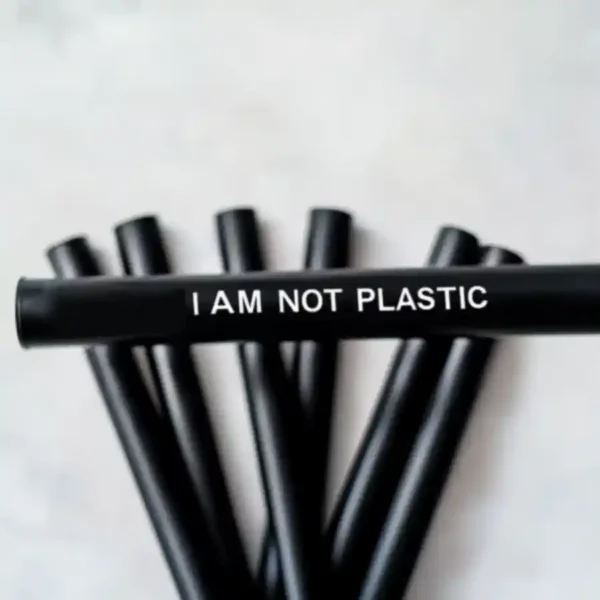
- Sugarcane straws, made from bagasse, a byproduct of sugarcane processing, offer a sustainable and eco-friendly alternative to traditional plastic straws. Their rise in popularity stems from their biodegradability and positive environmental impact.
- Target Audience:
- This article is aimed at businesses in the hospitality sector—cafes, restaurants, wholesalers, and distributors—who are looking to reduce their environmental impact by adopting eco-friendly alternatives. It also speaks to environmentally conscious consumers seeking sustainable options.

II. What Are Sugarcane Straws?
- Definition and Production Process:
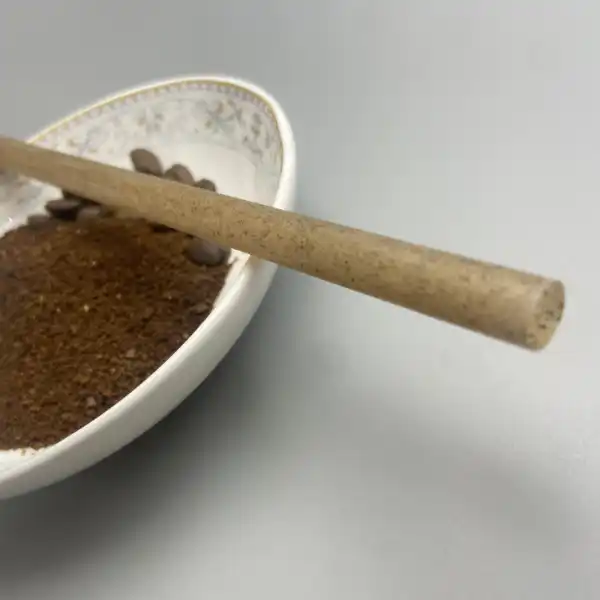
- Sugarcane straws are produced from bagasse, a fibrous byproduct of sugarcane processing. After sugarcane juice is extracted, the remaining bagasse is processed into pulp, molded, and baked into straw shape. This makes sugarcane straws 100% biodegradable and compostable, providing an alternative that breaks down naturally in both home and industrial composting environments.
- Comparison to Other Biodegradable Options:
- Хотя бумажные и рисовые соломинки также служат альтернативой, соломинки из сахарного тростника, как правило, более долговечны и лучше подходят для различных напитков, от молочных коктейлей до чая со льдом. В отличие от бумажных трубочек, они не быстро размягчаются в жидкостях, что делает их более долговечными.
III. Why Choose Sugarcane Straws?

А. Экологические преимущества
- Биоразлагаемость:
- Соломинки из сахарного тростника разлагаются естественным путем в течение 60–90 дней, что делает их более предпочтительным вариантом по сравнению с пластиковыми соломинками, разложение которых может занять сотни лет. Используя биоразлагаемые соломинки, предприятия могут значительно уменьшить воздействие на окружающую среду, помогая уменьшить загрязнение пластиком.
- Возможности компостирования:
- These straws are compostable and free from harmful substances like BPA and heavy metals, ensuring they don’t leach toxins into the soil or waterways, unlike plastic straws that can release microplastics.
- Снижение углеродного следа:
- The production process for sugarcane straws results in lower CO2 emissions compared to plastic straw manufacturing. Their renewable nature helps offset the use of finite resources, supporting a more sustainable product life cycle.
B. Consumer Appeal
- Долговечность:
- Sugarcane straws are more durable than paper alternatives and are suitable for a variety of drinks, including hot beverages. Their sturdiness ensures they don’t collapse or degrade over time, providing a pleasant drinking experience.
- Neutral Taste:
- В отличие от бумажных трубочек, которые могут придавать бумажный вкус, трубочки из сахарного тростника сохраняют целостность вкуса напитка. Этот нейтральный вкус усиливает общее удовольствие от пузырькового чая, смузи или любого напитка, подаваемого через соломинку.
С. Экономичное решение
- Первоначальные и долгосрочные затраты:
- Хотя соломинки из сахарного тростника изначально могут быть дороже, чем альтернативы из пластика или бумаги, их долговечность, биоразлагаемость и долгосрочные экологические преимущества делают их экономически эффективной инвестицией. Уменьшая потребность в частых заменах и снижая затраты на утилизацию отходов, предприятия могут со временем окупить первоначальные затраты.
- Лояльность к бренду и удовлетворенность клиентов:
- As consumers increasingly prioritize sustainability, offering eco-friendly straws can enhance a business’s brand image, attracting environmentally conscious customers and improving customer loyalty.
IV. Environmental Impact of Sugarcane Straws

А. Comparison to Plastic Straws
- Plastic Pollution:
- Plastic straws contribute to widespread environmental pollution, with millions of them ending up in oceans and landfills every year. These straws take hundreds of years to decompose and contribute to microplastic contamination in the oceans.
- Marine Wildlife:
- Plastic straws pose a significant risk to marine life. They can be ingested by sea creatures, leading to injury, suffocation, and death. The reduction in plastic straws means fewer threats to marine ecosystems, making sugarcane straws an important step towards ocean health.
B. Сокращение пластиковых отходов
- Sugarcane Straws in Action:
- As sugarcane straws are biodegradable and compostable, they break down naturally without leaving harmful residues. This helps reduce the plastic waste burden, which has become one of the most significant contributors to global environmental issues.
V. Cost Comparison: Sugarcane Straws vs. Plastic Straws
А. Detailed Cost Analysis
- Long-Term Financial Benefits:
- Although sugarcane straws may have a higher upfront cost compared to traditional plastic straws, they offer long-term savings due to lower waste disposal fees and fewer replacements. These straws’ compostability eliminates the need for plastic waste management, contributing to long-term cost savings for businesses.
- Positive Impact on Brand Reputation:
- Offering sustainable alternatives like sugarcane straws enhances a business’s reputation, attracting more environmentally conscious customers who are willing to pay a premium for sustainable products. This increase in customer engagement and loyalty can translate into higher sales and business growth.
VI. How to Find and Choose the Right Sugarcane Straw Suppliers
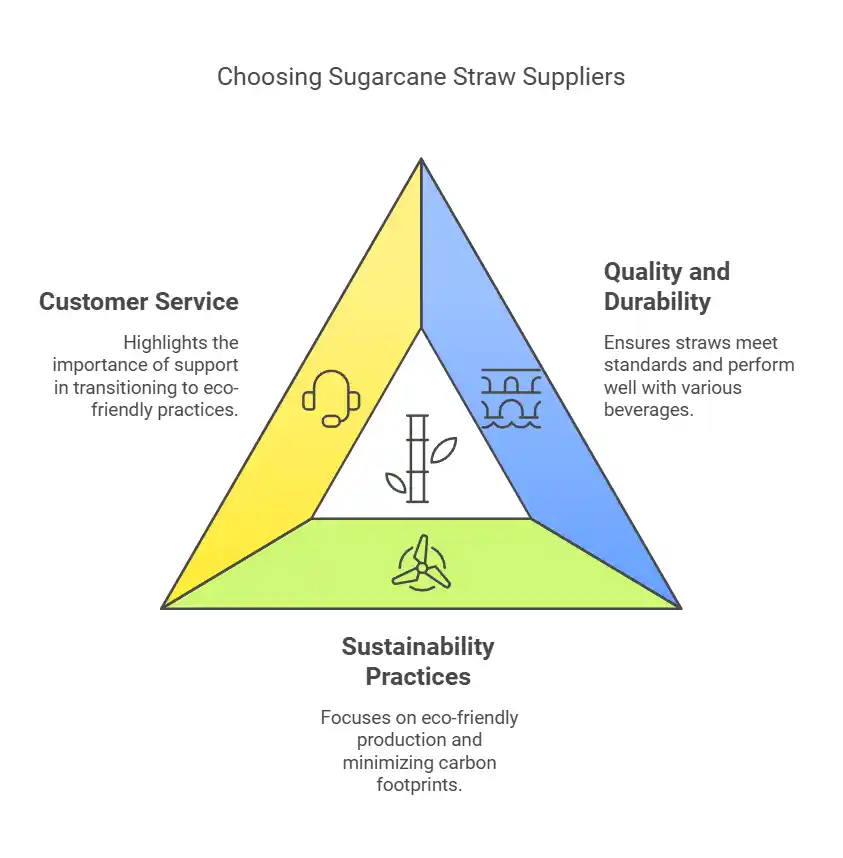
А. Key Factors to Consider
- Quality and Durability:
- When choosing a sugarcane straw supplier, it’s important to ensure the straws meet quality standards, are durable, and perform well across different types of beverages.
- Sustainability Practices:
- Opt for suppliers that emphasize environmentally friendly practices, such as using renewable resources, and minimizing the carbon footprint during production.
- Customer Service:
- Consider suppliers with excellent customer service, especially those that offer support in transitioning businesses to eco-friendly practices.
VII. Success Stories: Businesses Making the Switch to Sugarcane Straws
А. Example Case Study: Café Success Story
- Many cafés and restaurants are already making the transition to sugarcane straws, experiencing positive feedback from customers and significant improvements in their environmental contributions. A café that made the switch reported an increase in customer loyalty and brand reputation, as eco-conscious consumers appreciated the sustainability efforts.
VIII. Making the Switch: Practical Tips for Businesses
А. Gradual Implementation
- Transition gradually by replacing plastic straws with sugarcane straws in phases. Start by using sugarcane straws for specific drinks or locations, then expand to a full switch.
B. Communication and Staff Training
- Inform customers about the transition to eco-friendly straws through signage, social media, and in-store announcements. Train staff on how to handle and serve drinks with sugarcane straws to ensure a smooth transition.

IX. Conclusion
- Recap of the Benefits of Sugarcane Straws:
- Sugarcane straws are an eco-friendly, durable, and cost-effective alternative to plastic straws. By switching to sugarcane straws, businesses contribute to reducing plastic pollution, lowering waste management costs, and enhancing their reputation as environmentally conscious brands.
- Encouragement for Businesses to Make the Switch:
- Businesses are encouraged to make the switch to sugarcane straws today and lead the way toward a more sustainable future. By taking this step, companies can benefit both financially and environmentally, fostering long-term growth and customer loyalty.
X. Call to Action
- Engagement with the Reader:
- Encourage businesses to make the switch to sugarcane straws and invite readers to share their experiences with eco-friendly straws. Promote the idea of sustainability and help others make the transition toward a more eco-conscious future.
Tags: Eco-Friendly, Sugarcane Straws, Sustainable Business Practices, Biodegradable Products, Environmental Impact
This blog post outlines why sugarcane straws are an excellent choice for businesses looking to reduce their environmental impact while simultaneously boosting customer satisfaction and loyalty. The transition to these sustainable alternatives will not only help businesses improve their environmental footprint but also demonstrate a commitment to a healthier, greener future.