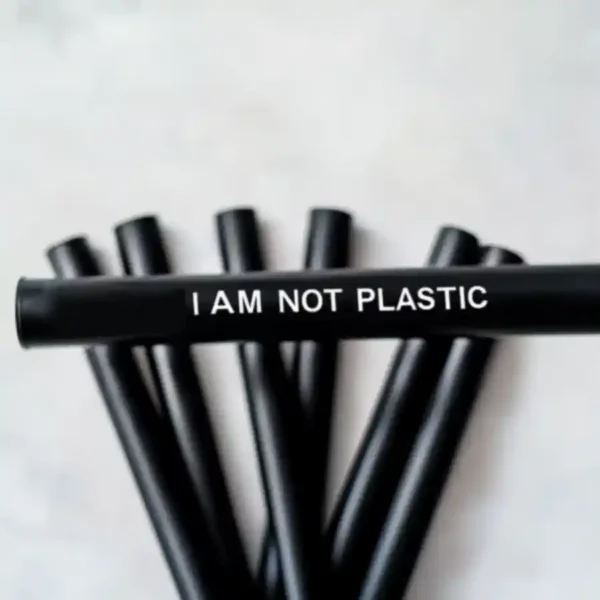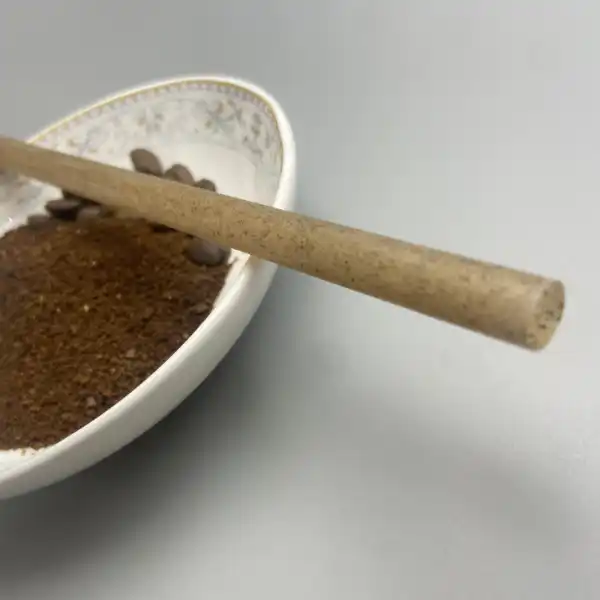
Компостируемость: путь к устойчивому будущему
Введение
Компостируемость — термин, который становится все более популярным в дискуссиях об устойчивом развитии. Он означает способность материалов разлагаться в почву, богатую питательными веществами, при определенных условиях[^1^]. Grasping this concept is vital as it offers a promising solution to reducing our environmental impact and fostering a sustainable world.
Понимание компостируемости
Компостируемые материалы, по существу органические вещества, разлагаются в гумусоподобное вещество, известное как компост, в результате естественного процесса с участием тепла, воды, кислорода и микроорганизмов[^1^]. This compost can then be utilized to enrich the soil and stimulate plant growth, thereby completing a natural cycle[^2^]. Ценность компостируемости заключается в ее потенциале революционизировать управление отходами, минимизировать использование свалок и способствовать устойчивой экономике замкнутого цикла.
Compostable vs. Biodegradable: Distinguishing the Difference
Although the terms compostable and biodegradable are often used synonymously, they denote different processes. Biodegradable materials disintegrate into smaller fragments over time, potentially leaving behind microplastics or toxic residues[^1^]. Conversely, compostable materials undergo a more thorough transformation, converting into nutrient-rich compost that benefits the soil[^1^]. Understanding this distinction is crucial when making environmentally conscious choices.
The Environmental Advantages of Compostable Materials
Compostable materials offer numerous environmental benefits. Они помогают сократить количество мусора на свалках и снизить выбросы парниковых газов, поскольку при компостировании выделяется меньше метана, чем при традиционном разложении отходов[^1^]. Furthermore, compostable materials contribute to a circular economy, where resources are continually utilized and reused, minimizing waste[^4^]. The resulting compost also enriches the soil, enhancing its structure, moisture retention, and nutrient content, which fosters healthy plant growth[^2^].
Эффективная утилизация компостируемых отходов
Effective disposal is essential to harness the benefits of compostable materials. Composting facilities, which provide the necessary conditions for composting, play a pivotal role[^2^]. However, home composting is also a feasible option. Крайне важно компостировать только подходящие материалы, поддерживать правильный баланс зеленых и коричневых материалов и регулярно переворачивать компост, чтобы обеспечить достаточное количество кислорода[^2^]. Избегание распространенных ошибок, таких как компостирование больных растений или неподдержание правильного уровня влажности, может помочь обеспечить успешное компостирование[^2^].
Компостируемые продукты на рынке
Today, a wide array of compostable products is available, ranging from food packaging and utensils to bags and even certain electronics[^1^]. To determine if a product is compostable, look for labels or certifications indicating its compostability[^3^]. These products play a crucial role in promoting sustainability, enabling consumers to reduce their waste and environmental impact.
Compostable Certifications: Indicators of Authenticity
Certifications play a significant role in verifying a product’s compostability. Reliable certifications include the BPI (Biodegradable Products Institute) certification in the U.S. and the EN13432 standard in Europe[^3^]. When purchasing products, look for these certifications on the packaging[^3^].
Компостирование и циркулярная экономика
A circular economy aims to minimize waste and maximize resource utilization. Это регенеративная система, в которой затраты ресурсов, отходы, выбросы и утечка энергии сводятся к минимуму за счет замедления, замыкания и сужения энергетических и материальных циклов[^4^]. Composting plays a critical role in this system, transforming organic waste back into valuable resources[^4^].
NatureBioEco: новаторские компостируемые материалы
Companies like NatureBioEco are leading the way in the use of compostable materials. Посредством своих инициатив в области устойчивого развития они демонстрируют, как предприятия могут способствовать созданию более замкнутой экономики и устойчивому будущему[^5^].
Преодоление проблем, связанных с компостируемостью
Несмотря на преимущества, существуют проблемы при внедрении методов компостирования, включая недостаточную осведомленность, неадекватную инфраструктуру и различные стандарты компостирования[^6^]. Однако эти проблемы можно преодолеть посредством образования, инвестиций в предприятия по компостированию и установления четких универсальных стандартов[^6^]. The role of consumers, businesses, and policymakers is critical in promoting compostability and achieving sustainability goals[^6^].
Заключение
In conclusion, compostability is a pivotal aspect of sustainability. By understanding the concept and making informed choices, we can reduce waste, enrich our soils, and contribute to a more circular economy. It’s time for all of us to consider the role of compostable materials in our daily lives.
Часто задаваемые вопросы
- Что означает «компостируемый»?
- Компостируемые материалы — это органические вещества, которые могут разлагаться в гумусоподобный материал, известный как компост, в результате естественного процесса с участием тепла, воды, кислорода и микроорганизмов[^1^).
- Чем компостируемое отличается от биоразлагаемого?
- Biodegradable materials simply break down into smaller pieces over time, potentially leaving behind microplastics or toxic residues. Compostable materials, on the other hand, turn into nutrient-rich compost that benefits the soil[^1^].
- What are the benefits of using compostable materials?
- Компостируемые материалы помогают сократить количество мусора на свалках, снизить выбросы парниковых газов, способствуют развитию экономики замкнутого цикла и обогащают почву, способствуя здоровому росту растений[^1^][^4^].
- Как правильно утилизировать компостируемые отходы?
- Compostable waste can be disposed of at composting facilities or through home composting. Важно компостировать только подходящие материалы, поддерживать правильный баланс зеленых и коричневых материалов и регулярно переворачивать компост, чтобы обеспечить достаточное количество кислорода[^2^].
- Какие продукты считаются компостируемыми?
- Many products are compostable, from food packaging and utensils to bags and even some electronics. Look for labels or certifications indicating a product’s compostability[^1^][^3^].
- Is composting effective for all types of compostable materials?
- While many materials are compostable, the conditions required for composting can vary. Some materials may require industrial composting facilities, while others can be composted at home[^2^].
- What certifications indicate a product is truly compostable?
- Reliable certifications include the BPI (Biodegradable Products Institute) certification in the U.S. or the EN13432 standard in Europe[^3^].
- How does composting contribute to a circular economy?
- Composting transforms organic waste back into valuable resources, minimizing waste and making the most of resources. This contributes to a circular economy, where waste is minimized by continually using and reusing resources[^4^].
Ссылки
[^1^]: “Compostable vs Biodegradable, What’s the Difference?” Renouvo, https://renouvo.net/biodegradable-compostable/compostable-meaning/
[^2^]: “Understanding composting” Environmental Protection Agency, https://www.epa.gov/recycle/composting-home
[^3^]: “Compostable Certifications and What They Mean” BioBag, https://biobagusa.com/certifications/
[^4^]: “The importance of a circular economy” World Economic Forum, https://www.weforum.org/agenda/2020/01/what-is-the-circular-economy/
[^5^]: “NatureBioEco: Sustainability Initiatives” NatureBioEco, https://www.naturebioeco.com/sustainability-initiatives
[^6^]: “Challenges and Opportunities in the Compostable Plastics Market” Frost & Sullivan, https://ww2.frost.com/frost-perspectives/challenges-and-opportunities-in-the-compostable-plastics-market/