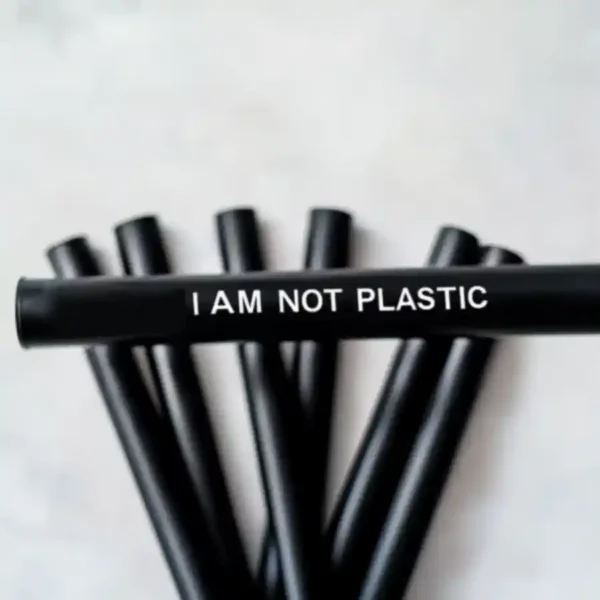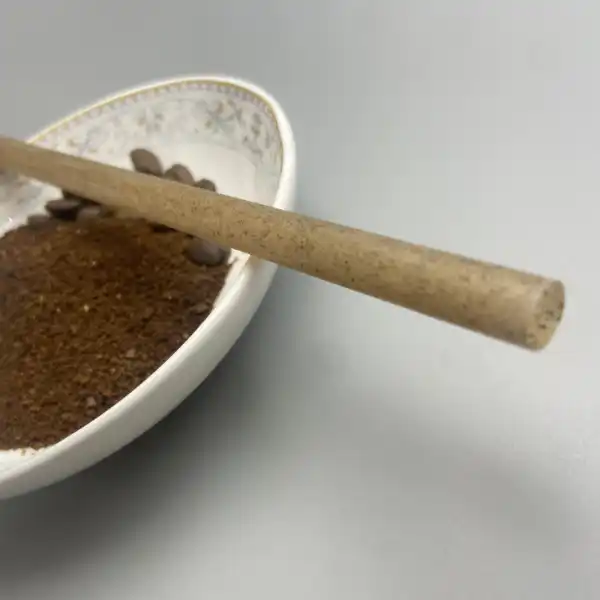
The Urgency of Sustainable Practices
Unearth More About Our Eco-Friendly Straw Solutions
Single-use plastics are now under rigorous regulatory scrutiny, with more than 127 countries implementing bans on such plastics by 2023. Businesses worldwide are being driven not merely to choose but to adapt to sustainable alternatives. Sugarcane straws have emerged as a leading solution in this fast-evolving scenario.
Unpacking the Science Behind Sugarcane Straws
Innovation in Biomass
- Constructed from bagasse, a fibrous residue from sugarcane processing
- Transforms agricultural waste that would otherwise be incinerated or discarded
- Demands 90% less energy for production compared to plastic straws
- Fosters a closed-loop manufacturing system
Экологические преимущества
- Decomposes in 60-90 days under commercial composting conditions
- Does not release microplastics into water bodies
- Adopts a carbon-negative production process (plants absorb more CO2 during growth than is released during manufacturing)
- Does not require additional agricultural land


Analyzing the Business Case
Financial Implications
- Initial cost: $0.03-0.05 per straw (vs. $0.01 for plastic)
- Key factors influencing ROI:
- Increased customer retention (an average of 12% as reported by early adopters)
- Potential for premium pricing (15-20% acceptance rate)
- Reduction in waste management costs (30-40%)
- Enhanced marketing value and distinct brand identity
Market Positioning
- 78% of consumers are more likely to purchase from eco-responsible businesses
- 64% are willing to pay more for sustainable products
- Early adopters gain an advantage in regional markets
- Opportunities for enhanced B2B partnerships
Strategy for Implementation
Phase 1: Evaluation & Планирование
- Assess current straw usage and associated costs
- Определите показатели успеха
- Identify potential suppliers
- Calculate the total cost of ownership
Этап 2: Пилотная программа
- Select locations/events for testing
- Обучить персонал:
- Benefits of the product
- Engaging with customers about the product
- Proper disposal methods
- Собирайте отзывы клиентов
- Мониторинг операционных последствий
Phase 3: Full-Scale Implementation
- Scale based on insights from the pilot phase
- Разработать маркетинговую кампанию
- Update procurement processes
- Establish monitoring systems

Checklist for Quality Control
Основные критерии
- Resistance to heat (up to 190°F/88°C)
- Minimum structural integrity in liquids for 4 hours
- Соблюдение FDA
- Certification for compostability
- Transparency in the supply chain
Matrix for Supplier Evaluation
| Criteria              | Weight | Evaluation Points                    |
|----------------------|--------|-------------------------------------|
| Production Standards  | 30%    | Certifications, facility audits     |
| Consistency in Quality| 25%    | Testing of samples, client references|
| Reliability in Supply | 25%    | Capacity, backup systems            |
| Price Competitiveness| 20%    | Total cost analysis                 |
Strategy for Customer Communication
Key Messages
- Metrics for environmental impact
- Assurances of quality
- Commitment of the brand to sustainability
- Role of customers in the circular economy
Channels for Communication
- Table tents/menu inserts
- Talking points for staff
- Campaigns on social media
- Email newsletters
- Displays at the point-of-sale
Измерение успеха
Ключевые показатели эффективности
- Удовлетворенность клиентов
- Changes in Net Promoter Score
- Specific feedback on straws
- Sentiment on social media
- Воздействие на окружающую среду
- Reduction in plastic waste (kg)
- Decrease in carbon footprint
- Rates of composting
- Business Performance
- Стоимость за единицу обслуживания
- Rates of customer retention
- Acquisition of new customers
- Metrics for brand perception
Outlook for the Future
The market for sugarcane straws is estimated to grow at 12% CAGR until 2028, propelled by:
- Widening regulations on single-use plastics
- Increase in consumer awareness about the environment
- Improvements in production technology
- Rising cost competitiveness

Expert Tips for a Successful Transition
- Form partnerships with composting facilities prior to launch
- Разработать программы стимулирования персонала за инициативы в области устойчивого развития.
- Документируйте свой путь перехода к маркетинговому контенту
- Присоединяйтесь к сетям устойчивого бизнеса
- Изучите возможности вертикальной интеграции
Заключение
Откройте для себя наш ассортимент экологически чистой продукции
Переход на соломку из сахарного тростника — это не просто экологически сознательное решение; это стратегический бизнес-шаг, который приведет вашу организацию к будущему успеху. При тщательном планировании и реализации этот переход может способствовать как достижению ваших целей в области устойчивого развития, так и росту бизнеса.
Это руководство основано на текущих рыночных данных и тематических исследованиях в различных отраслях. Для получения информации о конкретных нормативных требованиях обратитесь в местные органы власти.