giriiş
Tek kullanımlık plastiklerin küresel atıklara önemli ölçüde katkıda bulunmasıyla birlikte plastik kirliliği kritik bir çevre sorunu haline geldi. Yanıt olarak aşağıdaki gibi alternatifler biyolojik olarak parçalanabilen plastik pipetler Ve ileri dönüştürülmüş kahve telvesi pipetleri ortaya çıktı. Bu blog, sürdürülebilir çözümleri benimsemek isteyen işletmeler ve tüketiciler için bunların faydalarını, sınırlamalarını, çevresel etkilerini ve en iyi uygulamalarını araştırıyor.

Biyobozunur Plastik Pipetleri Anlamak
Biyobozunur Plastik Pipetler Nelerdir?
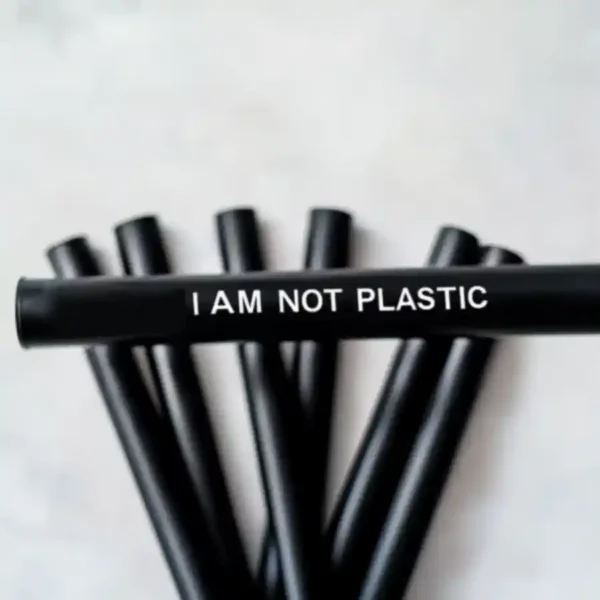
Biyolojik olarak parçalanabilen plastik pipetler, geleneksel plastik pipetlerden daha hızlı parçalanacak şekilde tasarlanmıştır. Genellikle şunlardan yapılırlar:
- Polilaktik Asit (PLA) – Mısır nişastası veya şeker kamışından elde edilir ancak endüstriyel kompostlama gerektirir.
- Polihidroksialkanoatlar (PHA) – Deniz ekosistemleri de dahil olmak üzere doğal ortamlarda ayrışan bitki bazlı bir alternatif.
- PBAT (Polibutilen Adipat Tereftalat) – Gübrelenebilirliği artıran, biyolojik olarak parçalanabilen bir polimer.
Nasıl Ayrışırlar?
Biyobozunur plastik pipetler geleneksel plastiklerden daha hızlı bozunurken, özel koşullar gerektirir verimli bir şekilde parçalamak için:
- Endüstriyel Kompostlama: Tam bir bozunma için yüksek sıcaklıklara ve kontrollü mikrobiyal ortamlara ihtiyaç vardır.
- Depolama alanları & Okyanuslar: Optimum olmayan koşullarda, biyolojik olarak parçalanabilen bazı plastikler yavaş yavaş bozunarak mikroplastikleri geride bırakabilir.
Zorluklar & Kavram yanılgıları
- Yeşil Yıkama Endişeleri: "Biyolojik olarak parçalanabilir" etiketli birçok ürün, uygun şekilde işlenmeden doğal ortamlarda parçalanmaz.
- Sınırlı Geri Dönüşüm & Kompost Tesisleri: Pek çok şehir PLA veya PHA pipetlerini uygun şekilde kompostlayacak altyapıya sahip değil.
- Mikroplastik Riskler: Biyolojik olarak parçalanabilen bazı plastikler tamamen parçalanmak yerine yalnızca parçalanabilir.

İleri Dönüştürülmüş Kahve Telvesi Pipetleri: Oyunun Kurallarını Değiştiren Bir Şey mi?
Kahve Telvesi Pipetleri Nelerdir?
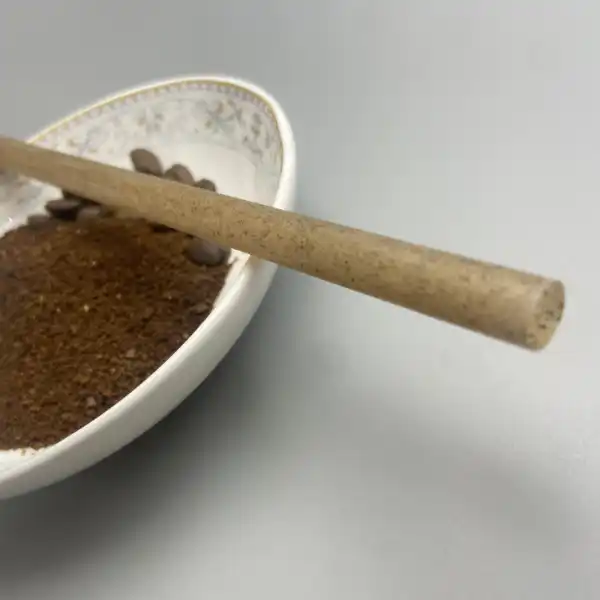
İleri dönüştürülmüş kahve telveleri yeniden değerlendirilerek üretiliyor kullanılmış kahve telvesi dayanıklı, kompostlanabilir içme kamışlarına dönüştürün. Bu yenilik, döngüsel ekonomi, çevre dostu bir alternatif sunarken organik atıkları azaltır.
Temel Faydalar
- Sıfır Atık: Aksi halde çöplüklere atılacak olan atılmış kahve telvelerini kullanır.
- Dayanıklılık: Kağıt pipetlerden farklı olarak sıcak ve soğuk içeceklerde yapısal bütünlüğü korurlar.
- Kompostlanabilirlik: Ev kompostlama koşullarında endüstriyel tesislere ihtiyaç duymadan doğal olarak parçalanır.
- Lezzet Nötr: Bazı bitkisel bazlı pipetlerin aksine, kahve telvesi pipetleri içeceklerin tadını değiştirmez.
Sınırlamalar & Hususlar
- Üretme & Ölçeklenebilirlik: Benimseme hala artıyor ve büyük ölçekli üretim sınırlı kalıyor.
- Depolama Hassasiyeti: Uzun ömürlü olması için kuru ortamda saklanması gerekir.
- Daha Yüksek Üretim Maliyetleri: Geleneksel plastik veya kağıt pipetlerle karşılaştırıldığında üretim maliyetleri biraz daha yüksek olabilir.

Sürdürülebilir Saman Alternatiflerinin Karşılaştırılması
| Saman tipi | En iyisi | Dayanıklılık | Bertaraf Yöntemi | Temel Avantaj |
|---|---|---|---|---|
| İleri Dönüştürülmüş Kahve Telveleri | Kahvehaneler, çevreye duyarlı tüketiciler | Yüksek | Ev gübrelenebilir | Atık azaltma |
| Biyobozunur Plastik (PLA/PHA) | Restoranlar, fast food | Ilıman | Endüstriyel kompostlama gerekli | Tanıdık doku |
| Kağıt | Hızlı servis restoranları | Düşük (ıslak) | Geri dönüştürülebilir/kompostlanabilir | Uygun maliyetli |
| Bambu | Premium kafeler, ev kullanımı | Yüksek | Kompostlanabilir | Doğal malzeme |
| Metal/Cam | Kişisel kullanım, uzun vadeli | Çok yüksek | Yıkamak & yeniden kullanma | Sürdürülebilir |
Çevresel Etki & Mevzuata uygunluk
Bu Pipetler Gerçekten Atıkları Azaltır mı?
- Sahip olan ülkeler yasaklı plastik pipetlergibi AB, Kanada ve belirli ABD eyaletleri, tek kullanımlık plastik tüketiminde azalma olduğunu bildirdi.
- A yaşam döngüsü değerlendirmesi Farklı malzemeleri karşılaştıran (LCA), ileri dönüştürülmüş kahve telvelerinin ve PHA pipetlerinin daha düşük karbon ayak izi geleneksel PLA bazlı pipetlerden daha.
Düzenleyici Ortam
- AB Tek Kullanımlık Plastik Direktifi (2021) – Geleneksel plastik pipetleri yasaklayarak kompostlaştırılabilir veya yeniden kullanılabilir alternatifleri öne sürüyor.
- ABD Eyalet Yasakları (Kaliforniya, New York, Washington, vb.) – Biyolojik olarak parçalanabilen seçenekleri teşvik ederek plastik pipet dağıtımını kısıtlayın.
- Çin'in Plastiği Azaltma Politikası – Sürdürülebilir alternatifleri teşvik ederek 2025 yılına kadar tek kullanımlık plastikleri ortadan kaldırmayı hedefliyor.

İşletmeler için En İyi Uygulamalar & Tüketiciler
Doğru Sürdürülebilir Pipet Nasıl Seçilir?
- Sertifikaları Kontrol Edin: Aramak BPI, TÜV OK Kompost ve USDA BioPreferred Etiketler.
- İmha Gereksinimlerini Anlayın: Biyobozunur plastikler için kompostlama tesislerine erişim sağlayın.
- Tüketicileri Eğitin: Pipetlerin uygun şekilde imha edilmesine ilişkin tabela veya mesajlar sağlayın.
Restoranlara Yönelik Sürdürülebilirlik Uygulamaları & Kafeler
- Sadece Talep Üzerine Pipet Alternatifleri Sunun – Gereksiz israfı azaltır.
- Uygun Atık Kutuları Sağlayın – Depolama yerine kompostlaştırmayı teşvik edin.
- Kademeli Geçiş – Tanıtarak başlayın Yemek yiyen müşteriler için çevre dostu pipetler, ardından tek kullanımlık plastikleri aşamalı olarak ortadan kaldırın.
Sık Sorulan Sorular (SSS)
1. Biyolojik olarak parçalanabilen plastik pipetler gerçekten geleneksel plastikten daha mı iyi?
✅ Evet, ancak yalnızca doğru şekilde atıldığında. Onlar gerektirir endüstriyel kompostlama Yüzyıllar boyunca çevrede kalan geleneksel plastiğin aksine tamamen bozunur.
2. Biyolojik olarak parçalanabilen plastik pipetler okyanusta parçalanır mı?
🚫 Çoğu bunu yapmıyor. Biyolojik olarak parçalanabilen plastiklerin birçoğunun parçalanması, deniz ortamlarında bulunmayan yüksek sıcaklıklara ihtiyaç duyar. Fakat, PHA bazlı pipetler suda doğal olarak bozunma olasılığı daha yüksektir.
3. İleri dönüştürülmüş kahve telvesi pipetleri gıda kullanımı için güvenli midir?
✅ Evet. Buluşuyorlar gıda güvenliği standartları ve içeceklere zararlı kimyasallar salmayın.
4. İşletmeler için en iyi pipet alternatifi nedir?
🏢 İşletme türüne bağlıdır:
- Restoranlar & fast food zincirleri: Tercih etmek biyolojik olarak parçalanabilen plastik pipetler dayanıklılıkları ve tanıdık dokuları nedeniyle.
- Kahve dükkanları & Çevreye duyarlı markalar: Kullanmanın faydası ileri dönüştürülmüş kahve telvesi pipetleriSürdürülebilirlik hedefleriyle uyumlu.
5. Biyolojik olarak parçalanabilen plastikler mikroplastik kirliliğe katkıda bulunur mu?
⚠️ Bazıları bunu yapar özellikle de doğru koşullar altında kompostlaştırılmazlarsa. Eksik ayrışma çöplüklerde veya okyanuslarda mikroplastik parçaların oluşmasına neden olabilir.
6. Tüketiciler biyolojik olarak parçalanabilen ve ileri dönüştürülmüş pipetleri nasıl uygun şekilde imha edebilir?
♻️ Uygun imha yöntemleri:
- Biyobozunur plastik pipetler → Endüstriyel kompostlama tesisleri Tam bozulma için gereklidir.
- İleri dönüştürülmüş kahve telvesi pipetleri → Olabilir evde kompost veya organik atıklarla birlikte bertaraf edilir.
7. Sürdürülebilir pipetler ne kadar daha pahalıdır?
💰 Çevre dostu pipetlerin maliyet karşılaştırması:
- Kağıt payet: 2–3x plastik fiyatı.
- Biyobozunur plastik pipetler: 3–5x geleneksel plastiğe göre daha pahalıdır.
- İleri dönüştürülmüş kahve telvesi pipetleri: Biraz daha yüksek, ancak markalaşma ve sürdürülebilirlik avantajlarıyla dengeleniyor.
8. Hangi ülkeler plastik pipetleri yasakladı?
🌍 Küresel plastik pipet yasakları:
- Avrupa: AB çapında yasak tek kullanımlık plastiklerle ilgili.
- AMERİKA: Kaliforniya, New York, Washingtonve diğer bazı eyaletler plastik pipet kullanımını kısıtladı.
- Çin: 2025 yılına kadar plastik pipetlerin kullanımdan kaldırılması ulusal plastik azaltma politikası kapsamında.
Çözüm
İkisi birden biyolojik olarak parçalanabilen plastik pipetler Ve ileri dönüştürülmüş kahve telvesi pipetleri Geleneksel plastiklere sürdürülebilir alternatifler sunuyoruz. Ancak, Bu çözümlerin etkinliği, uygun imhaya, işin benimsenmesine ve tüketici eğitimine bağlıdır.. İşletmeler ihtiyaçlarını değerlendirmeli ve buna göre en pratik çözümü seçmelidir. maliyet, sürdürülebilirlik ve mevzuata uygunluk.
Harekete geçme çağrısı
Sürdürülebilir bir saman çözümü mü arıyorsunuz? Geçiş yapmayı düşünün biyolojik olarak parçalanabilen plastik veya ileri dönüştürülmüş kahve telvesi pipetleri ve müşterilerinizi uygun imha konusunda eğitin.