
Introduction: Addressing the Plastic Straw Crisis
The global reliance on single-use plastic straws has reached alarming levels, with an estimated 500 million units discarded daily in the United States alone. Historically, straws evolved from natural reeds to petroleum-based plastics in the mid-20th century, cementing their role as a ubiquitous—yet environmentally destructive—consumer item. Coffee grounds straws emerge as a scientifically validated alternative, leveraging circular economy principles to transform agricultural waste into functional, biodegradable products. This article examines their composition, environmental efficacy, and practical applications for both consumers and enterprises.
1. Material Composition and Manufacturing Process
From Waste to Functional Product
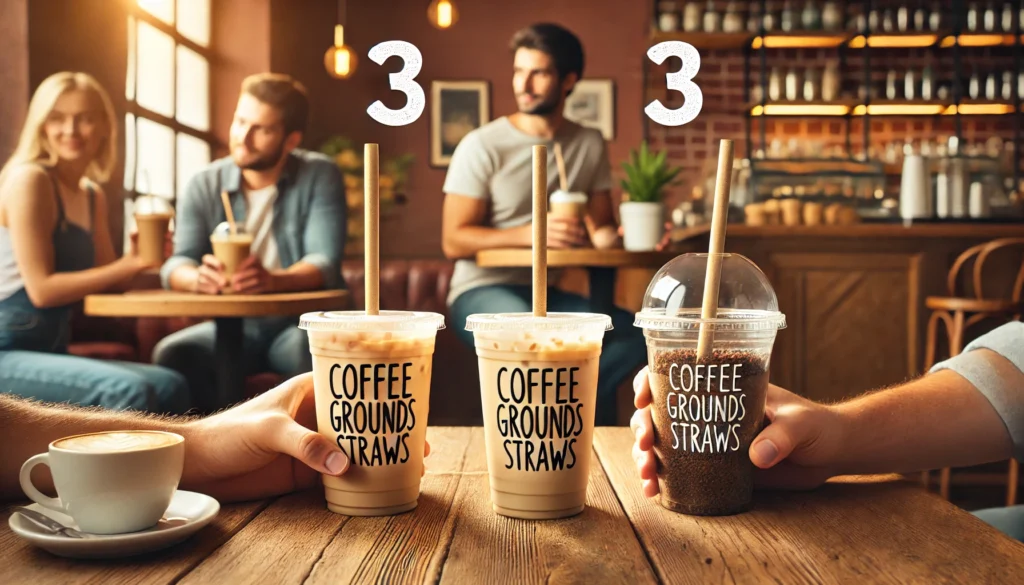
Coffee grounds straws are synthesized through a proprietary blend of upcycled coffee waste (30–40%) and polilaktik asit (PLA), a plant-based polymer derived from renewable resources like corn starch. The production process involves:
- Collection and Sterilization: Harcanan kahve telveleri ticari satıcılardan alınır, sterilize edilir ve kurutulur.
- Ekstrüzyon: Zeminler PLA ile birleştirilir ve kontrollü sıcaklıklar altında saman kalıplara ekstrüde edilir.
- Kalite Güvencesi: Pipetler uluslararası standartları karşılamak için sertlik ve biyolojik olarak parçalanabilirlik testlerine tabi tutulur.
Sertifikalar ve Güvenlik Uyumluluğu
- TÜV OK Kompost Endüstriyel: Endüstriyel tesislerde 180 gün içerisinde biyolojik olarak tamamen parçalanabilirliğini doğrular.
- FDA Uyumluluğu: BPA ve ftalat içermez, gıda güvenliği durumunu sağlar.

2. Environmental Impact Analysis
Karbon Ayak İzinin Azaltılması
2022 yaşam döngüsü değerlendirmesi, kahve telvesi pipetlerinin ` daha az CO2 emisyonu Atıkların yeniden değerlendirilmesi ve enerji verimli üretim sayesinde plastik pipetlerle karşılaştırıldığında.
Atık Yönlendirme Potansiyeli
Yaklaşık olarak 10 million metric tons of coffee waste are generated globally each year. Repurposing 1 ton of this waste into straws offsets 2.5 tons of CO2-equivalent emissions, according to the Environmental Protection Agency (EPA).
3. Comparative Performance Against Alternatives
| Malzeme | Dayanıklılık (Sıvıda Saat) | Ayrışma Süresi | Carbon Footprint (kg CO2/kg) |
|---|---|---|---|
| Plastik | Süresiz | 200+ yıl | 3.5 |
| Kağıt | 00,5–1 | 2-6 hafta | 2.1 |
| Kahve Telvesi | 4–6 | timing varies by formulation, conditions, and disposal system | 1.4 |
Key Advantages
- Yapısal Bütünlük: Resists sogginess 4x longer than paper straws.
- Termal Kararlılık: Suitable for beverages up to 80°C (176°F).
4. Implementation Strategies
Tüketiciler için
- Optimal Usage: Avoid prolonged exposure to temperatures exceeding 80°C.
- Kullanım Ömrü Sonu Yönetimi:
- Evde Kompostlama: Shred straws and integrate into compost piles; full decomposition may take 12+ months.
- Endüstriyel Kompostlama: Utilize municipal facilities for faster breakdown (90–180 days).
İşletmeler için
- Toplu Tedarik: Partner with suppliers like Şeker Kamışı Samanı Şirketi for volume discounts (20–30% cost reduction at 10,000+ units).
- Müşteri Eğitimi: Display signage explaining the straws’ origin and compostability.
5. Frequently Asked Questions (FAQ)
1. Are coffee grounds straws truly compostable?
Yes, under industrial composting conditions (TÜV OK Compost certification). Home composting is feasible but less efficient.
2. Do they impart a coffee flavor to beverages?
No. Residual oils are removed during sterilization, ensuring neutral taste.
3. How do costs compare to plastic straws?
Approximately 15–20% higher per unit, though bulk pricing narrows this gap.
4. Are there allergen risks?
The sterilization process eliminates proteins linked to coffee allergies (FDA, 2021).
5. Can businesses customize straws?
Yes. Branding options include embossed logos and color variations (PLA dyes).
6. What disposal methods are recommended?
Prioritize industrial composting. Landfill disposal negates biodegradability benefits.
7. Do they comply with EU plastic bans?
Yes. Compliant with Directive (EU) 2019/904 on single-use plastics.
8. Where can I purchase them?
Direct from eco-suppliers like Şeker Kamışı Samanı Şirketi or wholesale platforms like EcoEnclose.
6. Future Innovations and Policy Implications
Teknolojik Gelişmeler
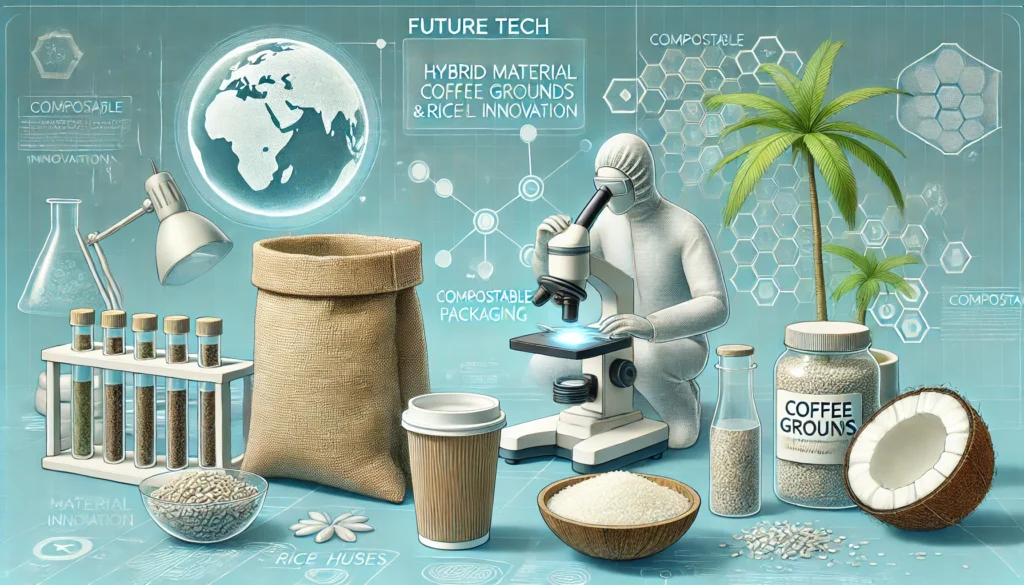
- Hibrit Malzemeler: Research into blending coffee grounds with rice husks for enhanced tensile strength.
- Smart Tracking: Integration of QR codes to educate users on local composting options.
Regulatory Trends
The European Union’s Circular Economy Action Plan (2023) incentivizes businesses adopting upcycled materials through tax rebates.
Conclusion: Leading the Shift to Sustainable Consumption
Kahve telvesi pipetleri inovasyon ve çevre yönetiminin kesişimini örnekliyor. Bireyler ve işletmeler bu pipetleri benimseyerek toplu olarak plastik kirliliğini azaltırken aynı zamanda döngüsel ekonomi hedeflerini ilerletiyor. Düzenleyici çerçeveler geliştikçe proaktif benimseme, işletmeleri sürdürülebilirlik liderleri olarak konumlandırıyor.
Alıntı
- TÜV Avusturya. (2023). OK Kompost Endüstriyel Sertifikasyon Kriterleri. https://www.tuv-at.be/compost
- ABD Çevre Koruma Ajansı (EPA). (2022). Sürdürülebilir Malzeme Yönetiminin Geliştirilmesi. https://www.epa.gov/plastics
- Avrupa Komisyonu. (2023). Tek Kullanımlık Plastik Direktifi. https://ec.europa.eu/environment/plastics
- Starbucks Şirketi. (2021). Bahçeniz Girişiminin Gerekçeleri. https://www.starbucks.com/sustainability
- ABD Gıda ve İlaç İdaresi (FDA). (2021). Gıdayla Temas Eden Madde Yönetmeliği. https://www.fda.gov/food
- Yeşil İşletme Dergisi. (2023). Örnek Olay: Berlin Kafe Atığının Azaltılması.
- BPI. (2022). Sertifikalı Gübrelenebilir Ürünler Dizini. https://www.bpiworld.org
- Deniz Kirliliği Bülteni. (2022). Plastik Pipetlerin Deniz Ekosistemlerine Etkisi.
