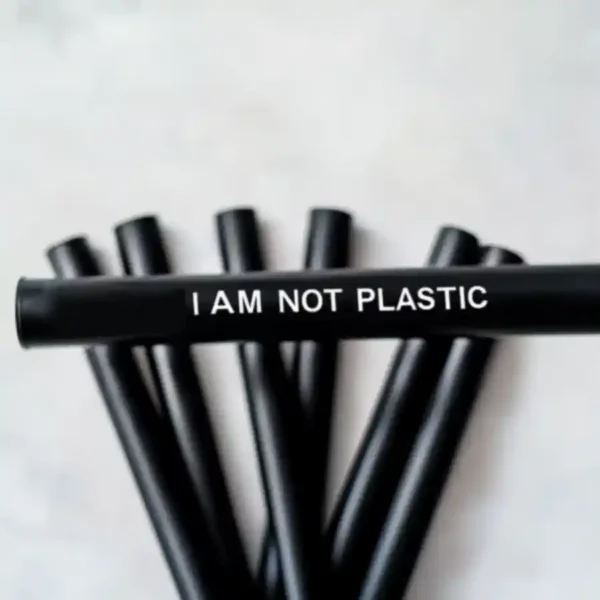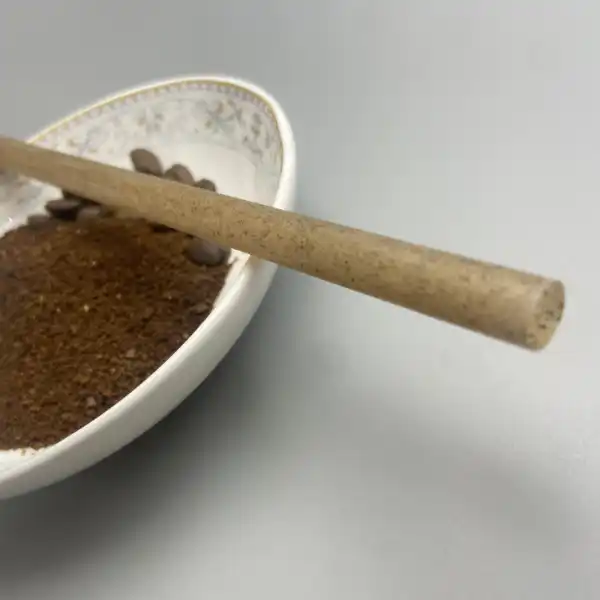
In a monumental first, a consortium of Japanese institutions has announced that biodegradable plastics, excluding polylactic acid, can be decomposed by microorganisms even in the deep sea.
Institutions Leading the Research
The groundbreaking study was a collaborative effort among six Japanese organizations: The University of Tokyo, the Japan Agency for Marine-Earth Science and Technology, Gunma University, the National Institute of Technology and Evaluation, the National Institute of Advanced Industrial Science and Technology, and the Bioplastics Association of Japan.
Experimental Sites Spanning the Depths
Researchers conducted experiments across various deep-sea locations, including:
- Misaki in Kanagawa Prefecture (depth: 757m)
- Hatsushima in Shizuoka Prefecture (depth: 855m)
- Myojin Knoll near the Izu-Ogasawara Islands (depth: 1292m)
- The deep-sea plains in the Kuroshio Extension (depth: 5503m)
- The waters around Minamitorishima, Japan’s easternmost point (depth: 5552m).
Observations of Microbial Action
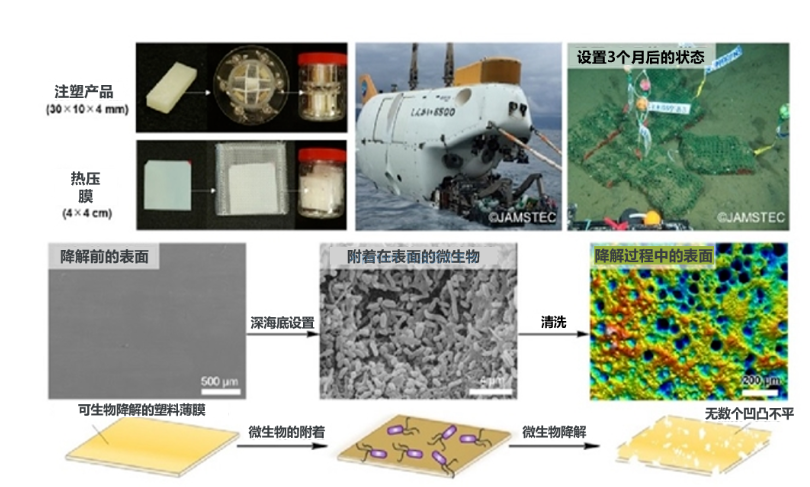
The biodegradable plastics were found densely colonized by microbes, leading to a rough and pitted surface over time indicative of biodegradation (Image 1). Despite slower decomposition rates at greater depths, biodegradation was confirmed at all surveyed seabed locations.
Estimate of Degradation Rate
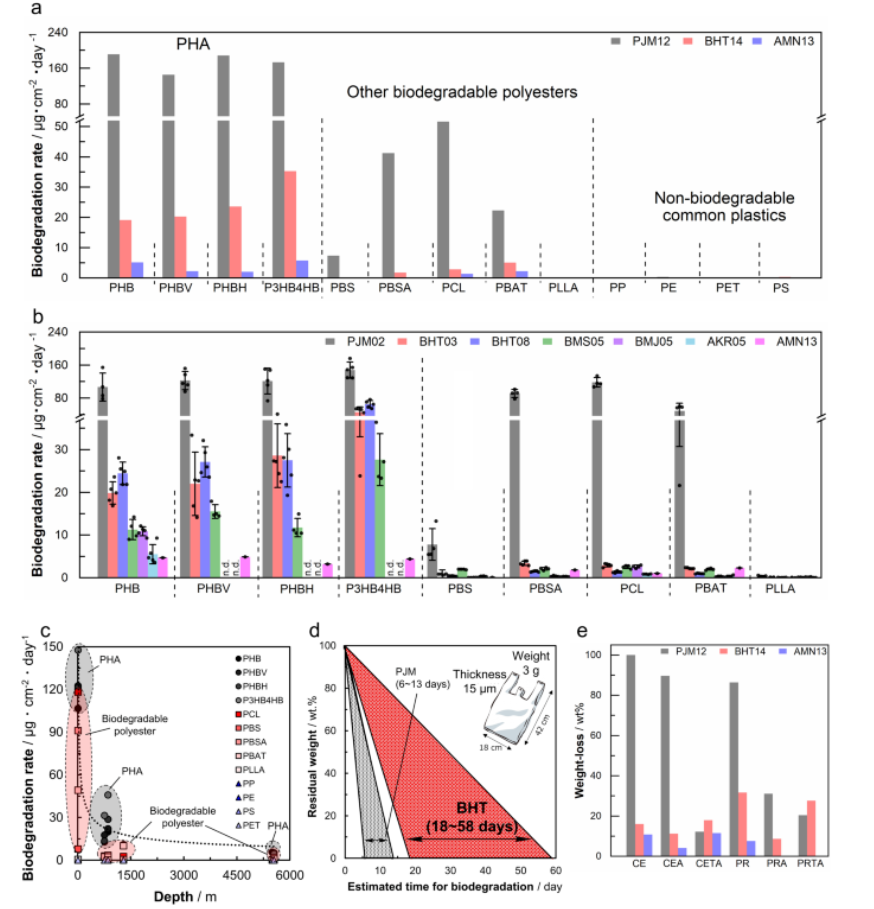
It’s estimated that at depths around 1000m, a biodegradable plastic bag could decompose within three weeks to two months, based on this research.
New Degradation Microbes Unearthed
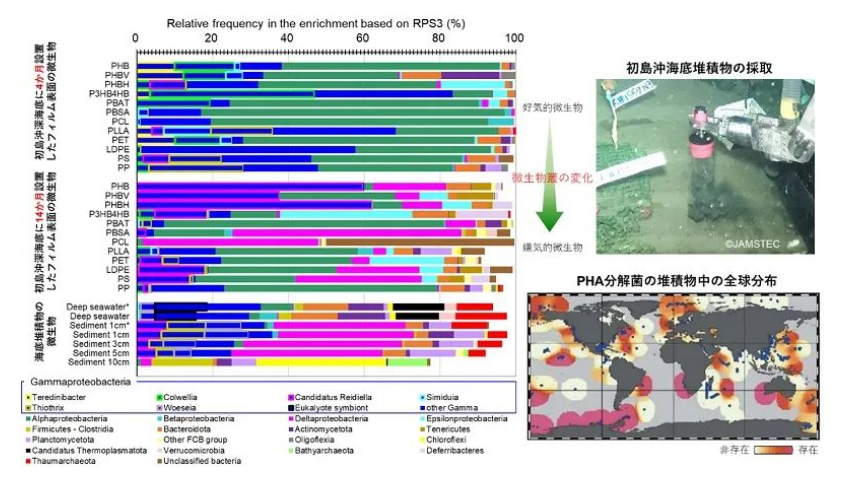
Through gene sequencing of the 16S rRNA and metagenomic analysis, researchers discovered numerous new microbial species capable of degrading biodegradable plastics in the deep sea.
Global Implications
The identified microbes are not unique to Japanese waters; they’re found in seabed sediments worldwide, suggesting that biodegradable plastics could decompose globally in deep-sea environments.
Published Findings
The results were published in the online edition of the international science journal “Nature Communications” on January 26, 2024 (Japan time) (Image 2).
Research Background
With around 400 million tons of plastic produced annually and about 8 million tons entering the oceans each year, there is an urgent need for “biodegradable plastics” that can be completely decomposed by microbes into carbon dioxide and water.
The Problem with Conventional Plastics
Conventional plastics like polyethylene and polypropylene do not decompose in any natural setting, whether on land or in water.
The Study in Detail
The study observed the degradation of various biodegradable polymers, including microbial polyester (PHA), polylactic acid (PLA), and polysaccharide ester derivatives, in the deep sea for periods ranging from 3 to 14 months.
Deep Sea vs. Coastal Degradation Rates
Biodegradation rates for depths of 1000m were roughly one-fifth to one-tenth of those at the shore, and one-twentieth at depths of 5000m (Image 3).
Future Prospects
This study has proven that biodegradable plastics can indeed be decomposed by microbes even in the deep sea where marine plastic waste ultimately accumulates.
Towards a Solution
The proper use of biodegradable plastics, especially in products that may unavoidably leak into the ocean, is essential to combat future marine pollution.
Developing High-Performance Marine Biodegradable Plastics
The future development is aimed at creating high-performance marine biodegradable plastics that maintain their properties in use but begin to degrade upon reaching the sea.