Per- and polyfluoroalkyl substances, commonly known as PFAS, are a group of synthetic chemicals that have become ubiquitous in our modern world. These “forever chemicals” have gained notoriety due to their persistence in the environment and potential health risks. This post will explore what PFAS are, where they are found, the associated health and environmental concerns, and what actions can be taken to reduce exposure.
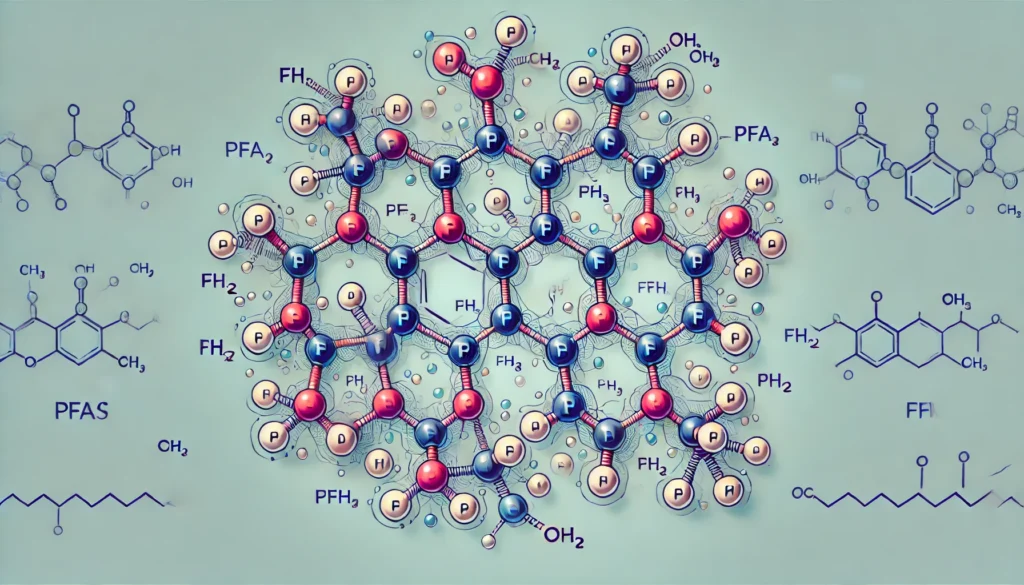
What Are PFAS?
PFAS, her biri bir alkil zincirine bağlı birden fazla flor atomu ile karakterize edilen 7 milyondan fazla sentetik organoflor bileşiğinden oluşan bir ailedir. Bu kimyasallar ilk olarak 1930'larda geliştirildi ve aşağıdaki benzersiz özellikleri nedeniyle 1950'lerde yaygın olarak kullanıldı:
- Suya dayanıklılık
- Isı direnci
- Leke direnci
- Düşük sürtünme
Bu özellikler PFAS'ı çok çeşitli tüketici ve endüstriyel ürünlerde kullanım için ideal hale getirdi. Yapışmaz pişirme kapları, yangın söndürme köpüğü, suya dayanıklı giysiler ve gıda ambalajları, PFAS'ın sunduğu stabilite ve dirence dayanan ürünlerden sadece birkaçıdır. Bu kimyasallar üretimde ilerlemelere olanak sağladı ancak aynı zamanda insan sağlığı ve çevresel sürdürülebilirlik açısından da önemli zorluklar yarattı.
PFAS'ın Kökeni
PFAS ilk olarak 1930'larda keşfedildi ve endüstriyel uygulamaları kısa bir süre sonra başladı. Isıya, suya ve yağa karşı dayanıklılıkları onları birçok uygulamada vazgeçilmez hale getirdi ve 1950'lerden itibaren çeşitli endüstrilerde yaygın şekilde kullanılmasına yol açtı.
Temel Özellikler
- Suya dayanıklılık: PFAS kimyasalları suyu iter, bu da onları su geçirmez giysiler, gıda ambalajı ve dış mekan malzemeleri gibi ürünlerde değerli kılar.
- Isı direnci: Isıya karşı oldukça dayanıklıdırlar, bu nedenle yapışmaz tencere ve yangın söndürme köpüklerinde kullanılırlar.
- Leke direnci: PFAS kumaşlarda, halılarda ve döşemelerde lekelere karşı direnç sağlamak için kullanılıyor ve bu da onları tüketim mallarında popüler hale getiriyor.
- Düşük sürtünme: PFAS chemicals create low friction surfaces, making them useful in coatings for industrial applications, as well as in consumer products like waterproof footwear.
Common Products Containing PFAS
- Non-stick cookware (e.g., Teflon)
- Waterproof fabrics and carpets
- Firefighting foam
- Cosmetics and personal care products
- Food packaging materials

Where Are PFAS Found?
PFAS are present in numerous everyday items, many of which are commonly used and difficult to avoid. The widespread use of PFAS has led to contamination of air, water, soil, and even rainwater.
Consumer Products
PFAS can be found in several consumer products, including:
- Non-stick cookware: Commonly used for cooking, products like Teflon-coated pans contain PFAS.
- Water-resistant fabrics: Many outdoor jackets, tents, and carpets use PFAS to provide water resistance.
- Food packaging: Fast-food wrappers, microwave popcorn bags, and pizza boxes are often treated with PFAS to make them resistant to grease and stains.
- Cosmetics: Certain cosmetics, including foundation and mascara, may contain PFAS due to their ability to provide long-lasting coverage.
Environmental Contamination
PFAS contamination is not confined to the products they are found in. These chemicals have contaminated:
- Drinking water: PFAS are often found in water sources near industrial sites, military bases, or airports where firefighting foam has been used.
- Hava ve toprak: PFAS kimyasalları kalıcılıkları nedeniyle hava ve su akımları yoluyla küresel olarak yayılabilir, toprakta birikebilir ve besin zincirlerine girebilir.
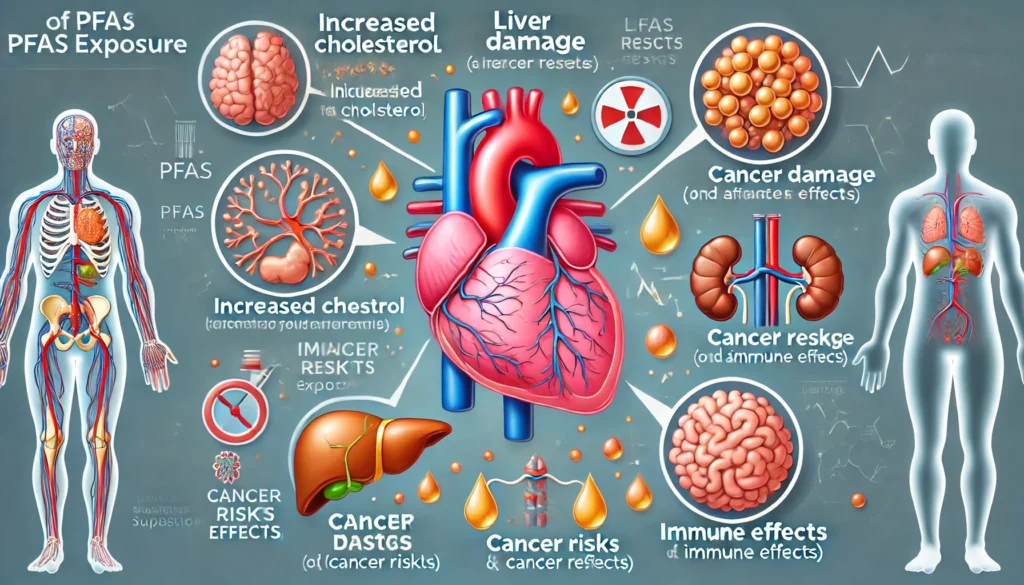
Health Concerns Linked to PFAS Exposure
PFAS'ın özellikleri onları ürünlerde faydalı kılarken, çevrede ve insan vücudunda kalıcı olmaları onları önemli bir sağlık sorunu haline getirmektedir. Araştırma PFAS maruziyetini bir dizi sağlık sorunuyla ilişkilendirmiştir.
Sağlık Sorunları
PFAS maruziyeti aşağıdaki sağlık sorunlarıyla ilişkilendirilmiştir:
- Artan kolesterol seviyeleri
- Çocuklarda aşı yanıtının azalması
- Karaciğer hasarı ve karaciğer enzimlerindeki değişiklikler
- Increased risk of certain cancers, including kidney and testicular cancer
- Reproductive and developmental effects on children and fetuses
- Immune system effects, making individuals more susceptible to infections
Certain populations, such as children, pregnant women, and individuals living near contaminated sites, are particularly vulnerable to these health effects.

Environmental Impact of PFAS
PFAS are known as “forever chemicals” because they break down extremely slowly in the environment. This persistence allows them to:
- Accumulate in the food chain: PFAS can move up the food chain, contaminating wildlife and, eventually, humans who consume these animals.
- Contaminate drinking water sources: PFAS have been found in groundwater and surface water, posing risks to public health.
- Spread globally: Through air and water currents, PFAS can travel far from their original source, contaminating distant ecosystems and human populations.
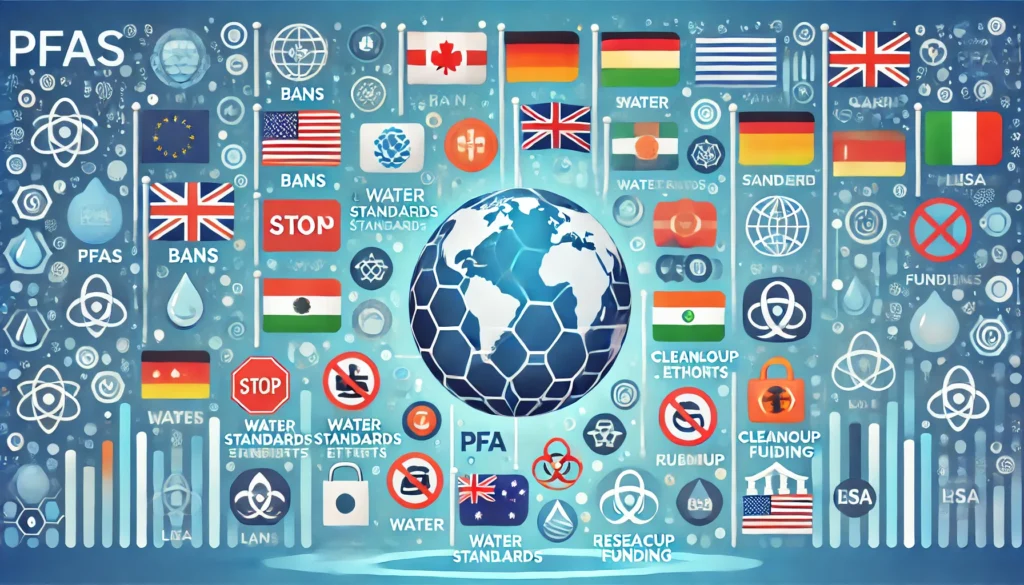
Regulatory Trends and Actions on PFAS
As the risks of PFAS chemicals become more widely recognized, governments around the world have begun to take action to regulate their use and mitigate their impact.
Regulations and Standards
- Restricting use in consumer products: Many countries are beginning to ban or restrict the use of PFAS in certain consumer products, such as food packaging and textiles.
- Setting drinking water standards: Regulatory bodies, such as the U.S. Environmental Protection Agency (EPA), have established guidelines for allowable PFAS levels in drinking water.
- Funding research and cleanup efforts: Governments are investing in research to better understand PFAS and develop technologies for remediation and cleanup of contaminated environments.
Global Efforts
Countries such as Sweden, Canada, and the European Union have been at the forefront of regulating PFAS, instituting stricter controls on their use and setting lower permissible levels in drinking water.
What Can You Do?
While it may be difficult to completely avoid PFAS, there are several steps you can take to minimize exposure.
Tüketiciler için:
- Use PFAS-free cookware: Choose alternatives to non-stick cookware, such as stainless steel or cast-iron pans.
- Avoid stain-resistant treatments: Opt for natural fabrics and avoid furniture or carpets with stain-resistant coatings.
- Check labels: Be mindful of products like cosmetics and personal care items that may contain PFAS. Look for products labeled as PFAS-free.
- Filter your drinking water: If you live in an area where PFAS contamination has been detected, consider installing a water filtration system that can remove these chemicals.

İşletmeler için:
- Tedarik zincirinizi denetleyin: Operasyonlarınızda kullanılan ambalaj veya tekstil ürünleri gibi ürünlerin PFAS içermediğinden emin olun.
- Alternatiflere yatırım yapın: Ürün ve hizmetlerinizde mümkün olduğunca PFAS içermeyen malzemeleri tercih edin.
- Çalışanları eğitin: Çalışanlar arasında PFAS'ın potansiyel riskleri konusunda farkındalığı artırın ve daha güvenli alternatifleri teşvik edin.
SSS
- PFAS kimyasalları nelerdir? PFAS, suya, ısıya ve lekeye dayanıklılık özellikleri nedeniyle ürünlerde kullanılan geniş bir grup sentetik kimyasaldır.
- PFAS'a neden "sonsuza kadar kimyasallar" deniyor? PFAS are called “forever chemicals” because they do not break down easily in the environment and accumulate over time, both in the ecosystem and in human bodies.
- Where are PFAS commonly found in everyday products? PFAS are found in non-stick cookware, waterproof clothing, food packaging, firefighting foam, and some cosmetics.
- What health issues are linked to PFAS exposure? Exposure to PFAS has been linked to increased cholesterol, liver damage, cancer risks, and developmental issues, particularly in children.
- How do PFAS impact the environment? PFAS are persistent in the environment, contaminating water sources, soil, and the food chain, affecting wildlife and human populations.
- What actions are governments taking to regulate PFAS? Governments are restricting the use of PFAS in consumer products, setting standards for drinking water, and funding research and cleanup efforts.
- Can I avoid PFAS in my daily life? Yes, by using PFAS-free cookware, avoiding stain-resistant fabrics, checking labels for personal care products, and filtering drinking water.
- What are the alternatives to PFAS-containing products? PFAS-free alternatives include stainless steel or cast-iron cookware, natural fabrics for upholstery, and biodegradable food packaging.
Çözüm
PFAS chemicals have become an integral part of modern life, but their persistence and potential health risks are causing growing concern. As research continues and regulations evolve, staying informed about PFAS is crucial for making safer choices for ourselves and the environment.