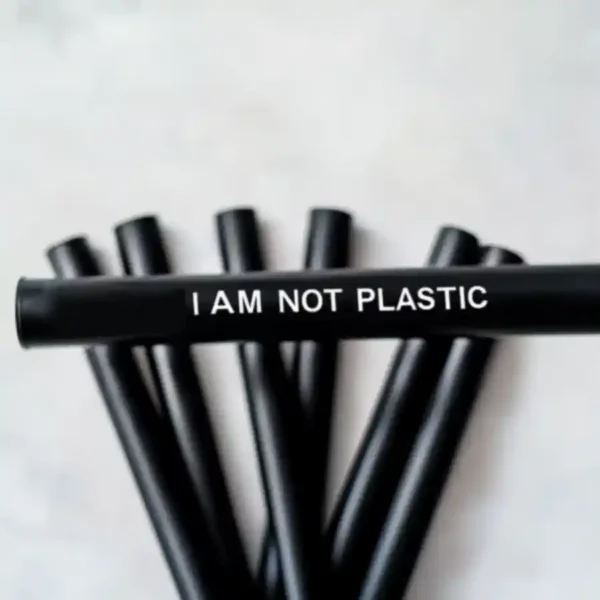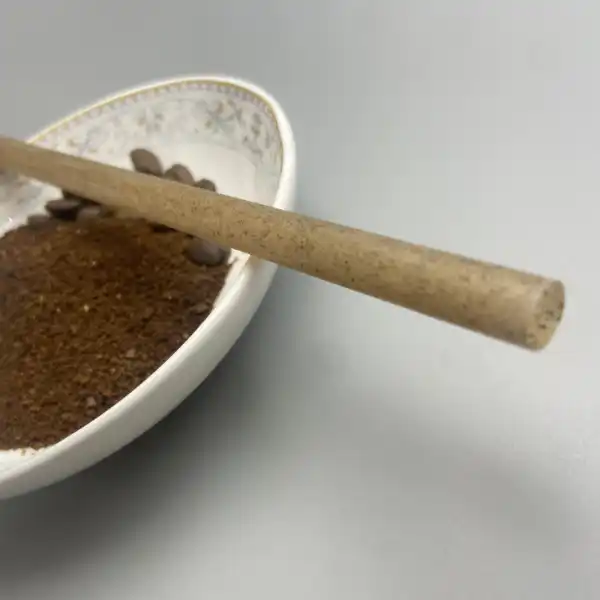
As the global crusade against single-use plastics intensifies, straws have become a symbolic battleground. While paper and metal alternatives have their moment, a game-changer is emerging: şeker kamışı payet. Beyond a fleeting trend, these innovative tools embody a sustainable future. Here’s why they’re set to redefine eco-conscious consumption.

Plastic Straws: An Environmental Time Bomb
Every year, 8 million tons of plastic flood our oceans, with single-use straws contributing significantly. Traditional plastic straws persist for 200+ years, leaching microplastics and endangering marine life. Paper alternatives, though popular, often disappoint with poor durability. Enter şeker kamışı payet—a seamless blend of resilience and eco-innovation.

Sugarcane Straws: Turning Waste into Wonder
1. Circular Economy in Action
Crafted from küspe (the fibrous residue after sugarcane juicing), these straws transform agricultural waste into functional products. Companies like NATUREBIOECO repurpose this byproduct—previously burned, releasing CO₂—into sturdy straws, epitomizing zero-waste innovation.
2. Real-World Biodegradability
Unlike “biodegradable” plastics requiring industrial facilities, sugarcane straws decompose in ev kompostu within 90 gün, leaving no toxic traces (per 2023 studies by the Biodegradable Products Institute).
3. Uncompromised Performance
No more soggy paper! Sugarcane straws maintain integrity in hot/cold drinks for 24+ saat, rivaling plastic’s convenience without the ecological toll.
NATUREBIOECO: Leading with Ethics and Innovation
This industry pioneer excels in sustainability:
- Karbon Negatif Üretim: Renewable energy powers facilities that offset 120% of emissions (2024 company report).
- Water Efficiency: Closed-loop systems cut water use by 70% vs. conventional paper straw manufacturing (World Resources Institute benchmark).
- Ethical Sourcing: Fair Trade partnerships ensure farmers receive living wages and community support.

Straw Showdown: The Data Speaks
| Saman tipi | Ayrışma | Karbon Ayak İzi | Dayanıklılık |
|---|---|---|---|
| Plastik | 200+ yıl | Yüksek | Yüksek |
| Kağıt | 2–6 weeks* | Ilıman | Düşük |
| Metal/Cam | Süresiz | Yüksek | Yüksek |
| Şeker kamışı | 90 gün | Düşük | Yüksek |
| Kaynaklar: UNEP, Ellen MacArthur Foundation, 2024 | |||
| *Paper decomposition varies by composting conditions. |
Why This Shift Matters
Beyond ditching plastic, sugarcane straws redefine waste as a resource. For businesses, adopting them aligns with Küresel tüketicilerin s'ü prioritizing eco-conscious brands (Nielsen, 2023). Individually, swapping to sugarcane straws could remove 1.5 billion plastic straws annually if adopted by all U.S. households.
Challenges & İleriye Giden Yol
Scaling production remains a hurdle due to nascent bagasse-processing infrastructure. Current costs exceed plastic, but leaders like NATUREBIOECO aim for price parity by 2026 through R&D investments. Policy support (e.g., subsidies for green manufacturing) and consumer demand can accelerate this transition.

Take Action: Sip Sustainably
The choice is clear: sugarcane straws merge practicality with planetary care. Whether you’re a business owner or a conscious consumer, opting for sugarcane:
- Reduces landfill waste
- Supports circular economies
- Drives market shift toward ethical production
Join the Revolution: Explore NATUREBIOECO’s sugarcane straws and champion a future where every sip counts.
Your Turn: What eco-swaps have you embraced? Share below—let’s inspire a greener world, one straw at a time.
SSS
Are sugarcane straws truly biodegradable?
Yes! Sugarcane straws break down naturally within 90 gün in home composting conditions, unlike plastic alternatives that persist for centuries.
Do sugarcane straws get soggy like paper straws?
No. Sugarcane straws retain their structure in both hot and cold drinks for 24+ saat, offering a superior drinking experience.
How are sugarcane straws made?
They are crafted from küspe, the fibrous residue left after sugarcane juice extraction, transforming waste into a durable, eco-friendly product.
Are sugarcane straws safe for use?
Absolutely. They are free from toxins, BPA, and chemicals, making them safe for both humans and the environment.
How do sugarcane straws compare to other alternatives?
They decompose faster than PLA straws, last longer than paper straws, and have a lower carbon footprint than metal or glass options.
İşletmeler şeker kamışı pipetlerini toplu olarak sipariş edebilir mi?
Yes! NatureBioEco offers wholesale and customizable options for restaurants, cafes, and retailers.
Şeker kamışı pipetleri içeceklerin tadını etkiler mi?
No, they are neutral in taste, ensuring a pure drinking experience without any aftertaste.
Where can I buy sugarcane straws?
You can purchase them through NatureBioeco, a leading provider of eco-friendly sugarcane straws.