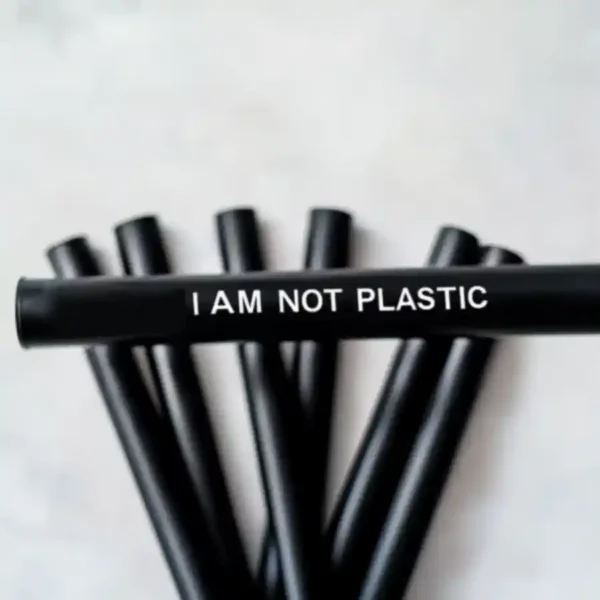
Her gün milyonlarca plastik pipet kullanılıp atılıyor ve bu da çevre kirliliğine önemli ölçüde katkıda bulunuyor. Genellikle birkaç dakikalığına kullanılan bu tek kullanımlık ürün, gezegenimiz için uzun vadeli bir tehdit oluşturuyor. Neyse ki biyolojik olarak parçalanabilen ve kompostlaştırılabilen pipetler gibi çevre dostu alternatiflere doğru bir yönelim ivme kazanıyor. Bu kapsamlı kılavuz, çeşitli sürdürülebilir pipet türlerini, bunların faydalarını ve daha sağlıklı bir gezegeni destekleyen bilinçli seçimlerin nasıl yapılabileceğini araştırıyor.
Plastik Pipetler Neden Sorundur?
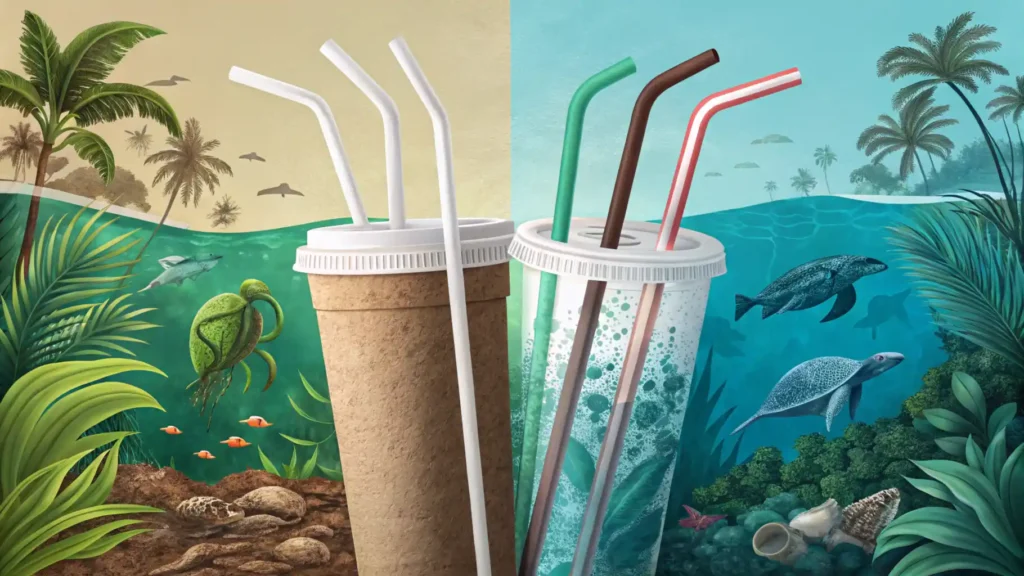
Plastik pipetler genellikle petrol bazlı malzemelerden yapılır ve parçalanması yüzyıllar sürebilir. Çöp depolama alanlarını tıkıyor, denizdeki yaban hayatını tehlikeye atıyor ve sonunda su kaynaklarını ve hatta insanların besin zincirlerini kirleten mikroplastiklere dönüşüyor. Amerikan Kimya Derneği'nin yaptığı bir araştırmaya göre, "Biyolojik olarak parçalanabilen pipetlerin okyanusta tamamen parçalanması hâlâ aylar sürebilirplastik kirliliği krizinin büyüklüğünü vurguluyor.
Plastik Pipetlerle İlgili Temel Sorunlar
- Yavaş Ayrışma: Onlarca veya yüzyıllarca çöplüklerde, okyanuslarda ve diğer doğal yaşam alanlarında kalırlar.
- Yaban Hayatı Etkisi: Deniz hayvanları plastik parçaları yiyecek sanarak yaralanmalara veya ölüme neden olur.
- Mikroplastikler: As they degrade, plastic straws add to the ever-increasing microplastic pollution in our ecosystems.
Biyobozunur, Kompostlanabilir ve Denizde Parçalanabilirliği Anlamak
Straw labels can be confusing. Terms like “biodegradable,” “compostable,” and “marine-degradable” are often used interchangeably, though they don’t mean the same thing:
- Biyolojik olarak parçalanabilir: Breaks down over time through natural processes, but may take years and often requires specific conditions.
- Kompostlanabilir: Decomposes into nutrient-rich soil under certain conditions, such as in an industrial or home composting environment.
- Marine-Degradable: Specifically formulated to break down in saltwater, reducing harm to marine life. However, it’s still preferable to dispose of these products properly rather than relying on ocean degradation.
If you’re interested in a deeper dive, Sugarcane Straw explains how “biodegradable” and “compostable” can differ in their requirements and timelines.
Biyobozunur ve Gübrelenebilir Pipet Çeşitleri

1. PHA (Polyhydroxyalkanoates)
PHA straws are made from renewable resources (e.g., plant oils, microbes) and are often both industrially and home-compostable. They also tend to be marine-degradable, making them a strong candidate for eco-conscious consumers.
2. PLA (Polylactic Acid)
PLA is derived from plant starches like corn or sugarcane but behaves much like traditional plastic. It usually requires high-heat industrial composting to break down, meaning it’s not universally compostable. For more insight on its downsides, see Roc Paper Straws’ discussion.
3. Paper Straws
Paper straws decompose faster than plastics but can become soggy and may contain chemicals like PFAS. Production can also be energy-intensive, and not all paper straws are easily recyclable or compostable.
4. Sugarcane Straws
Sugarcane straws come from bagasse—a byproduct of sugarcane processing—and are popular for their durability and compostability. For example, you can check out Nature Bio Eco’s wrapped smoothie sugarcane straw if you’re looking for a home-compostable option.
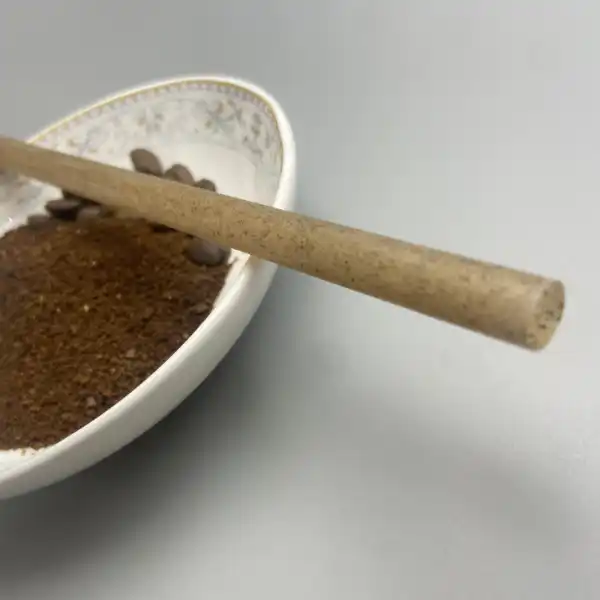
5. Coffee Grounds Straws
Straws made from coffee grounds offer a second life for coffee waste, reducing reliance on virgin materials. They’re typically free of harsh chemicals and suitable for composting. One option is Nature Bio Eco’s boba coffee grounds straw (12mm x 210mm), designed to withstand thicker beverages while remaining eco-friendly.
6. Bamboo and Agave
Other plant-based options include bamboo (fast-growing, reusable, and compostable) and agave (upcycled waste fibers from tequila production). Both can decompose more quickly than petroleum-based plastics.
Doğru Seçimi Yapmak

Consider the following:
- Disposal Method
- Can you compost at home?
- Is industrial composting available locally?
- Beverage Type
- Hot vs. cold drinks? (Some straws can’t handle high heat.)
- Thick smoothies vs. lighter cocktails?
- Materials
- Avoid “compostable” claims without third-party certifications.
- Cost and Availability
- Sustainable straws may be pricier, but prices are dropping as adoption grows.
- Longevity and User Experience
- Reusable straws like bamboo or stainless steel may be best for frequent straw users.
- Tek kullanımlık mı? Doğrulanmış olanı ara kompostlanabilir veya marine-degradable.
Gübrelenebilir malzemelerin plastik atıklarla mücadelede nasıl yardımcı olduğu hakkında daha fazla bilgi edinmek için EcoSoul'un "Plastik Pipetler Yerine Gübrelenebilir Pipetleri Seçmek İçin 5 Neden” Çevresel faydalara ilişkin ek bakış açısı için.
İşletmeler ve Tüketiciler için İpuçları
- İşletmeler için
- Personeli Eğitin & Müşteriler: Bertarafla ilgili açık işaretler ve talimatlar sağlayın.
- Birden Çok Seçeneği Test Edin: Maliyet ve performans arasında bir denge bulmak için farklı pipet türleri (ör. şeker kamışı ve kahve telvesi) sunun.
- Çabalarınızı Pazarlayın: Sürdürülebilirlik taahhüdünüzün bir parçası olarak destekçilerinize çevre dostu alternatiflere geçiş yaptığınızı bildirin.
- Tüketiciler için
- Pipeti Atla: Pipet gerekli değilse, ondan tamamen vazgeçin.
- Yeniden Kullanılabilir'i seçin: Metal, silikon veya cam pipetler zamanla atıkları önemli ölçüde azaltabilir.
- Sorumlu Bir Şekilde İmha Edin: If using compostable straws, ensure they go into the proper composting stream. In many places, a standard trash bin means it may not break down as intended.
Hepsini Bir Araya Getirmek
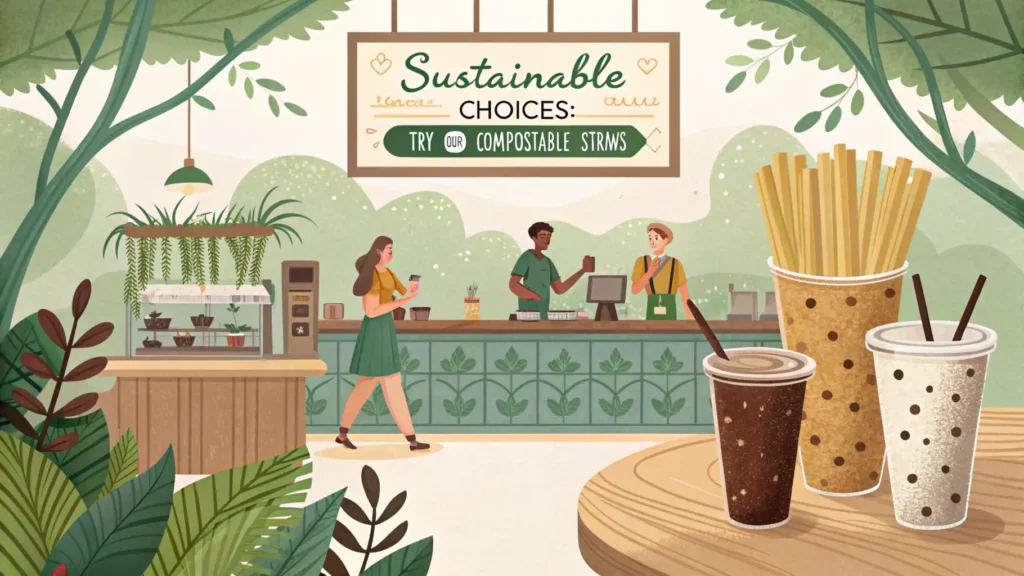
Making the switch from plastic to more eco-friendly straw alternatives is a tangible step in fighting pollution and protecting our oceans. However, it’s important to remember that no single material is a cure-all. Reduce overall consumption and dispose of your straws properly to maximize environmental benefits. If you’re curious about the lifecycle of different biodegradable options, ScienceDirect’s research overview breaks down challenges, performance, and broader implications of each straw type.
Sıkça Sorulan Sorular (SSS)
- What’s the main difference between biodegradable and compostable straws?
- Biodegradable straws eventually break down under natural conditions but may still leave microplastics. Compostable straws are designed to fully decompose into nutrient-rich matter, typically in a composting facility.
- Are paper straws always better than plastic?
- They decompose faster but can be soggy, contain chemicals, and aren’t always recyclable. Still, they generally have a lower long-term environmental impact than plastic.
- Do PLA straws really help the environment?
- PLA straws can be misleading; they often need industrial composting conditions to fully break down. Without these conditions, they can behave similarly to traditional plastic.
- What’s the difference between home-compostable and industrial-compostable straws?
- Home-compostable straws break down in backyard compost bins, while industrial-compostable straws require the higher temperatures and controlled conditions found at commercial composting facilities.
- How quickly do sugarcane or coffee grounds straws decompose?
- Under optimal conditions, they can break down in a matter of weeks or months. Actual decomposition time depends on temperature, moisture, and the presence of composting microbes.
- Denizde parçalanmak, okyanusa saman atmak ile aynı şey midir?
- Tam olarak değil. Denizde parçalanabilir olması, oraya ulaşması durumunda uzun vadede okyanusa zarar vermeyeceği anlamına gelir. Ancak kompost veya atık tesislerinde uygun şekilde imha edilmesi hala en iyi uygulamadır.
- Güvenilir gübrelenebilir pipetleri nerede bulabilirim?
- Saygın sertifikalara sahip satıcıları arayın (ör. BPI, TÜV AUSTRIA). Ayrıca keşfedebilirsiniz Nature Bio Eco'nun şeker kamışı pipetleri çevre dostu bir seçenek için.
By choosing compostable or biodegradable straws—and, whenever possible, reducing or eliminating the need for straws altogether—you can play a role in fostering a cleaner planet for future generations.