Selam! Her gün kullandığımız ambalajları hiç düşündünüz mü? Bu biraz çılgınca, değil mi? Sürdürülebilir ürünlere yönelik çevrimiçi aramaların son beş yılda q arttığını biliyor muydunuz? Hepimizin gezegen üzerindeki etkimizin giderek daha fazla farkına varmaya başladığımız açık; buna favori ürünlerimizle birlikte gelen ambalajlar da dahil. Artık mesele sadece kalite ve fiyat değil; değerlerimizi paylaşan ve sürdürülebilirliğe bağlı markalar arıyoruz. Bu nedenle, sürdürülebilir ambalajın neyle ilgili olduğunu ve ister işletme sahibi olun ister yalnızca çevreye duyarlı bir müşteri olun, nasıl fark yaratabileceğinizi anlamanıza yardımcı olmak için bu kılavuzu bir araya getirmek istedim.
Sürdürülebilir Ambalajı Anlamak
Sürdürülebilir Ambalaj Nedir?
Peki sürdürülebilir ambalaj tam olarak nedir? Her şey ambalajlama çözümleri yaratmakla ilgili dünya dostu ve gezegenimizin doğal kaynaklarının daha fazla tükenmesine katkıda bulunmayın. Bu sadece malzemelerin kendisiyle ilgili değil, aynı zamanda ambalajın geldiği yerden nasıl imha edildiğine kadar tüm yaşam döngüsüyle de ilgilidir. Bunu bir olarak düşün beşikten mezara yaklaşmak. Ambalajımızın baştan sona mümkün olan en küçük çevresel ayak izine sahip olduğundan emin olmak istiyoruz.
Sürdürülebilir Ambalajın Üç Ana Kategorisi
Sürdürülebilir ambalajdan bahsettiğimizde genellikle üç ana kategoriye ayrılır:
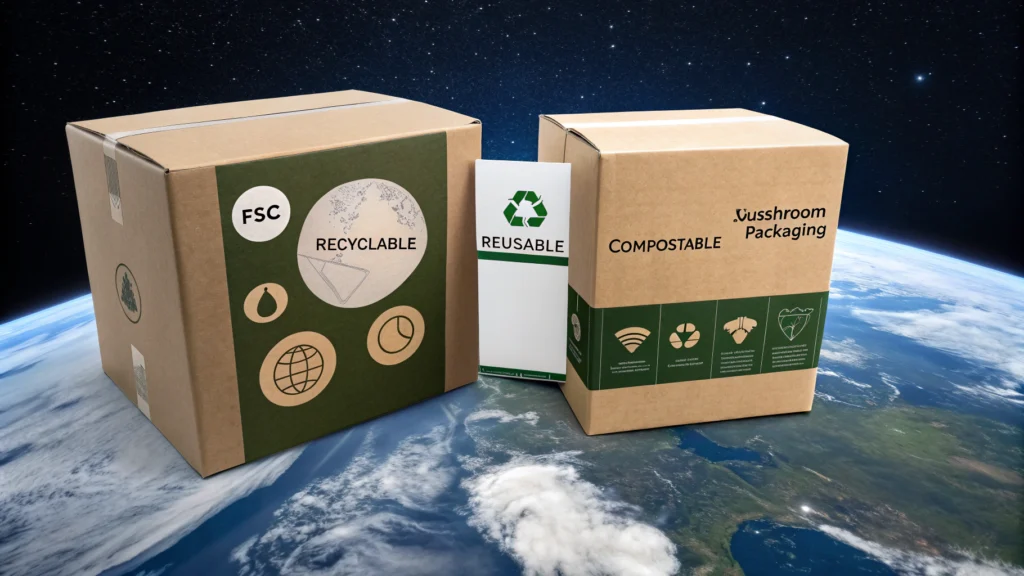
- Geri Dönüştürülebilir Ambalaj: Bu muhtemelen en yaygın türdür. Yeni ürünler halinde yeniden işlenebilen karton ve bazı plastikler gibi malzemeleri içerir. Çevrimiçi siparişlerinizi aldığınız karton kutuları düşünün; bunlar geri dönüştürülebilir ve yeni bir şeye dönüştürülebilir.
- Yeniden Kullanılabilir Ambalaj: Bunlar birden fazla kez kullanılabilen ve israfı gerçekten azaltabilen kaplardır. Cam kaplar ve yeniden doldurulabilir şişeler gibi şeyler bu kategoriye girer.
- Gübrelenebilir Ambalaj: İşlerin gerçekten harikalaştığı yer burası. Gübrelenebilir malzemeler, zamanla doğal olarak parçalanan organik maddelerden yapılır. Bitki bazlı fıstık ve posta paketlerini düşünün.
Sürdürülebilir Ambalajlama İçin Temel Kriterler
The Sustainable Packaging Coalition (SPC) has a list of criteria that sustainable packaging should meet:
- It should be beneficial, safe, and healthy for individuals and communities throughout its lifecycle.
- It needs to meet market criteria for performance and cost.
- It should be sourced, manufactured, transported, and recycled using renewable energy.
- It should optimize the use of renewable or recycled materials.
- It should be manufactured using clean production technologies and best practices.
- It should be made from materials that are healthy throughout the life cycle.
- It should be designed to optimize materials and energy use.
- It should be effectively recovered and utilized in biological or industrial closed-loop cycles.
The Benefits of Sustainable Packaging
So, why should we even bother with sustainable packaging? Turns out, there are a ton of great reasons!
Environmental Advantages
- It reduces landfill waste and pollution.
- It conserves natural resources.
- It lowers your carbon footprint.
- It minimizes greenhouse gas emissions.
- It protects ecosystems and wildlife.
İş Avantajları
- It increases customer loyalty and boosts your brand’s reputation.
- It attracts new customers who value sustainability.
- It reduces shipping and storage costs with smaller, lighter packaging.
- It helps you stay ahead of regulations and avoid penalties.
- It improves operational efficiency and reduces waste.
Sustainable Packaging Strategies: A Practical Guide
Okay, let’s get into the nitty-gritty. How can you actually make your packaging more sustainable? Here are some great strategies:
Design Your Packaging Intelligently
- Reduce Packaging Size: A lot of the time, we’re shipping a whole lot of air. The average box is 40% too big for its contents. By reducing your packaging size, you use less materials, lower your environmental impact, and reduce costs. Smaller packages also mean you can ship more at once, cutting down on emissions and costs.
- Know Your Product’s Carbon Footprint: Understanding the environmental impact of your product from start to finish is crucial. You can use tools like Impact Engine to get a better estimate and make better design decisions.
- Reduce Waste with Virtual Sampling: Instead of making tons of physical prototypes, use digital tools to visualize your packaging designs. This reduces waste, saves time, and cuts costs.
Choosing More Sustainable Materials
- Source Renewable Materials: Look for packaging made from paper and card-based products that are certified by the Forest Stewardship Council (FSC). This means they come from responsibly managed forests. Also think about innovative materials like mushroom packaging (mycelium) and seaweed.
- Opt for Recycled Plastic Over Virgin Plastic: If you need plastic, go for recycled options. It takes up to three times less energy to create than virgin plastic.
- Use Eco-Friendly Void Fillers and Inserts: Ditch the bubble wrap and packing peanuts for biodegradable options like corrugated dividers or sugarcane pulp inserts.
- Choose More Sustainable Inks: Water-based inks have a carbon footprint that’s 30-40% lower than solvent-based inks and don’t contain harmful chemicals.
- Use Sustainable, Easily Separated Adhesives: Choose natural adhesives like gummed tape that can be easily recycled.
Maximizing Transit and Storage Efficiency
- Optimize Packaging Storage: Proper storage prevents damage and waste. Consider using an inventory management system to track stock levels and avoid overstocking.
- Choose Economy Over Express Delivery: Sea freight emits way fewer emissions than air freight. If you can, build slower delivery methods into your business strategy.
- Offset Your Transportation Emissions: If you have to ship long distances, consider investing in carbon removal programs that take carbon out of the atmosphere.
Engage and Empower Customers
- Offer Return, Refill, and Reuse Options: Think about how you can switch from single-use packaging to refillable options. Encourage customers to return containers to be refilled, or offer refill products.
- Provide Repurposing Inspiration: Give customers ideas on how they can reuse their packaging. You can even print a QR code on the box that links to repurposing tips.
- Label Clearly to Make Recycling Easier: Use clear recycling symbols and instructions on your packaging. This makes it easier for customers to recycle correctly.
Exploring Sustainable Packaging Materials
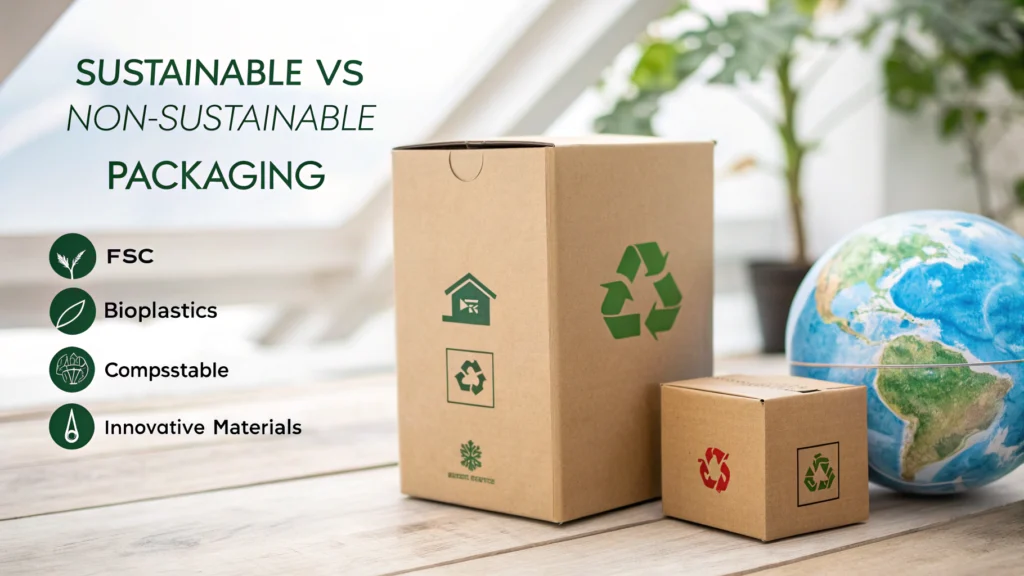
Let’s dive a little deeper into some specific sustainable packaging materials:
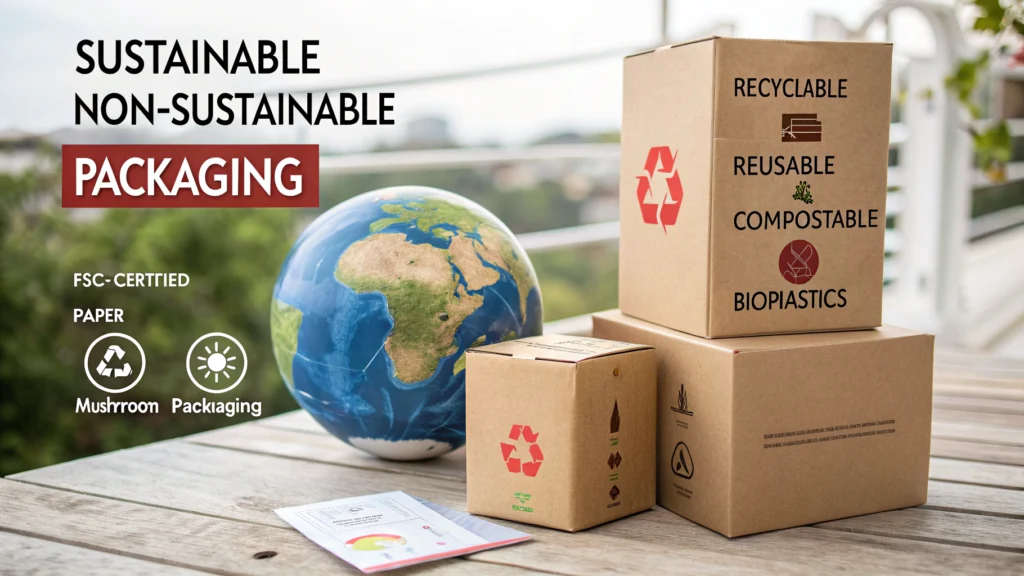
- Paper and Cardboard: These are generally great choices, especially if they’re FSC-certified. They’re recyclable and biodegradable. Look for cardboard boxes with recycled content.
- Bioplastics: Bioplastics, like PLA, are made from renewable resources such as corn and potatoes. While they reduce reliance on fossil fuels, it’s important to be mindful of their environmental impacts like land and water use.
- Compostable Materials: These are awesome because they break down naturally. Think plant-based packing peanuts, compostable mailers, and mushroom packaging. Keep in mind that some materials are only commercially compostable.
- Recycled Materials: Using recycled materials is a great way to give a second life to existing resources. This includes recycled paper, cardboard, and plastics. Look for packaging that highlights the use of post-consumer recycled (PCR) content.
- Yenilikçi Malzemeler: We’re seeing more and more innovative materials enter the scene like seaweed-based packaging. It’s an exciting time for sustainable packaging!
Implementing Sustainable Packaging: A Step-by-Step Approach
Ready to make the switch? Here’s how you can implement sustainable packaging:
- Assess Your Current Packaging: Do a life cycle assessment to see where you’re at and where you can improve.
- Set Realistic Goals: Don’t try to change everything at once. Start with small goals, test them out, and adjust as needed.
- Order Product Samples: Get your hands on samples from different suppliers to test for compatibility, durability, weight, and size.
- Partner with Sustainable Suppliers: Find suppliers who share your commitment to the environment.
- Educate Your Team and Customers: Make sure everyone is on board with the new sustainable practices. Train your team, and let your customers know what steps to take to recycle.
- Adjust Your Pricing: Factor in any extra costs for more sustainable materials.
- Measure and Track Your Progress: Keep an eye on how your efforts are paying off.
- Don’t change everything at once: When transitioning to sustainable packaging, start with one or two changes to test and adjust as needed.
- Order samples: Obtain samples of potential packaging options to evaluate their compatibility with the product, durability, size and weight before placing a larger order.
Case Studies and Examples
Let’s take a look at some brands that are doing it right:
- The Tshirt Mill ships their products in 100% compostable mailers.
- Ritual uses recycled packaging with plant-based inks.
- Maison Tess includes reusable cotton bags with every order.
- FoodCraft uses plant-based compostable boxes.
- Mrs. Meyer’s Clean Day uses recyclable bottles made from at least 30% post-consumer plastic.
- Le Labo offers refillable fragrance bottles.
- Bobbi Brown has refillable moisture cream packaging.
- Aveda is a leader in paper-based, locally recyclable sample sachets and uses recycled materials.
- Bumble and bumble’s products have packaging made from 100% recycled materials.
- Origins uses recyclable packaging.
- M·A·C has a take-back program for their used packaging.
Addressing the Challenges and Limitations
Okay, it’s not always easy. Here are some challenges to consider:
- Recycling can be tricky, and what’s recyclable varies from place to place.
- Sustainable packaging can sometimes cost more.
- Not all areas have the infrastructure for composting.
- It’s important to balance sustainability with protecting your product and keeping that awesome brand experience intact.
Sürdürülebilir Ambalajın Geleceği
The future of sustainable packaging is looking bright! We’re seeing more and more innovation with new materials and technology. It’s so important that we continue to work towards a circular economy, where we eliminate waste and keep materials in use. We need businesses and consumers to keep working together to drive change.
Çözüm
Sustainable packaging is vital to our environmental health and the success of businesses. I know that making a shift towards more sustainable practices can seem daunting, but we can all take steps to make a difference. Let’s all strive to choose more sustainable packaging options whenever we can. What are your thoughts? Do you have any sustainable packaging ideas that you want to share? I’d love to hear from you!