Günümüz iş dünyasında, Çevresel, Sosyal ve Yönetişim (ESG) faktörler her zamankinden daha önemli. Paydaşlar daha fazla hesap verebilirlik talep ettikçe, şirketler çevresel ayak izleri, sosyal sorumluluk ve yönetişim uygulamaları açısından giderek daha yüksek standartlarda tutuluyor. Bu blog yazısında ESG, bileşenleri, pratik uygulaması ve uzun vadeli iş başarısı üzerindeki etkisi incelenecektir.

ESG nedir?
ÇSY anlamına gelir Çevresel, Sosyal ve YönetişimBir şirketin sürdürülebilirliğini ve etik etkisini değerlendirmek için kullanılan üç kritik faktör. Yatırımcılar, tüketiciler ve diğer paydaşlar işletmelerin kârdan daha fazlasını düşünmesini talep ettikçe ESG ön plana çıktı; şirketlerin çevresel etkilerini, çalışanlara ve topluluklara nasıl davrandıklarını ve nasıl yönetildiklerini de dikkate almaları gerekiyor.
ESG'nin Kökeni
ESG'nin kökleri sosyal açıdan sorumlu yatırım (SRI)1960'lı yıllara dayanan bir geçmişi var. On yıllar boyunca çevresel ve sosyal kaygılara olan ilgi arttı ve bu durum ESG'nin 2000'li yılların başında bir çerçeve olarak resmileştirilmesine yol açtı. ESG artık hem yatırım hem de iş stratejisini etkileyen, yaygın olarak tanınan bir yaklaşımdır.
ESG Neden Önemlidir?
ÇSY uygulamaları önemlidir çünkü işletmelere uzun vadeli riskleri yönetmek, sürdürülebilirliği geliştirmek ve müşterilerin ve yatırımcıların artan taleplerini karşılamak için kapsamlı bir çerçeve sağlar. Güçlü ÇSY uygulamalarını benimseyen şirketlerin, giderek daha bilinçli hale gelen bir pazarda başarılı olma olasılıkları daha yüksek.
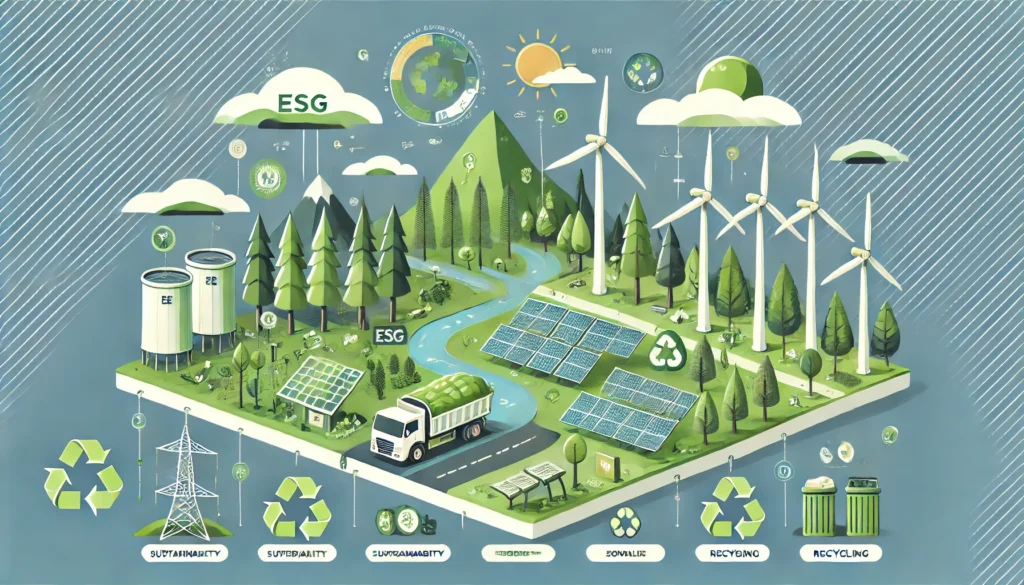
ÇSY Bileşenleri
ESG üç ana bileşene ayrılmıştır: Çevresel, Sosyal, Ve Yönetişim. Bu alanların her biri, bir şirketin genel etkisini ve sorumluluğunu değerlendirmede çok önemli bir rol oynar.
Çevresel (E)
The Çevresel ESG'nin bileşeni bir şirketin doğal dünyayı nasıl etkilediğine odaklanır. Anahtar faktörler şunları içerir:
- Karbon Ayak İzi: Şirketler sera gazı emisyonları ve azaltım çalışmalarına göre değerlendirilmektedir.
- Enerji Verimliliği ve Yenilenebilir Kaynaklar: Bir şirketin enerjiyi ne kadar verimli kullandığı ve yenilenebilir enerji kaynaklarını benimseyip benimsemediği.
- Atık Yönetimi: Bir şirketin atıkları, özellikle de tehlikeli veya geri dönüştürülemeyen atıkları en aza indirmeye yönelik çabaları.
- Biyoçeşitliliğin Korunması: Ekosistemleri ve yaban hayatı yaşam alanlarını korumaya yönelik girişimler.
Improving environmental performance helps companies reduce costs, mitigate risks, and meet regulatory requirements while enhancing their sustainability credentials.
Social (S)
The Sosyal component evaluates how companies manage their relationships with people, including employees, customers, and communities. Key considerations include:
- Employee Treatment: Fair labor practices, health and safety standards, and employee satisfaction.
- Diversity and Inclusion: Efforts to foster a diverse workforce and promote equal opportunities.
- Labor Rights and Human Rights: Ensuring fair wages, safe working conditions, and respect for human rights in the supply chain.
- Topluluk Katılımı: How companies support local communities and contribute to social well-being.
Güçlü bir sosyal politika, çalışanlar ve müşteriler arasında sadakati artırır ve şirketin itibarını artırır.

Yönetişim (G)
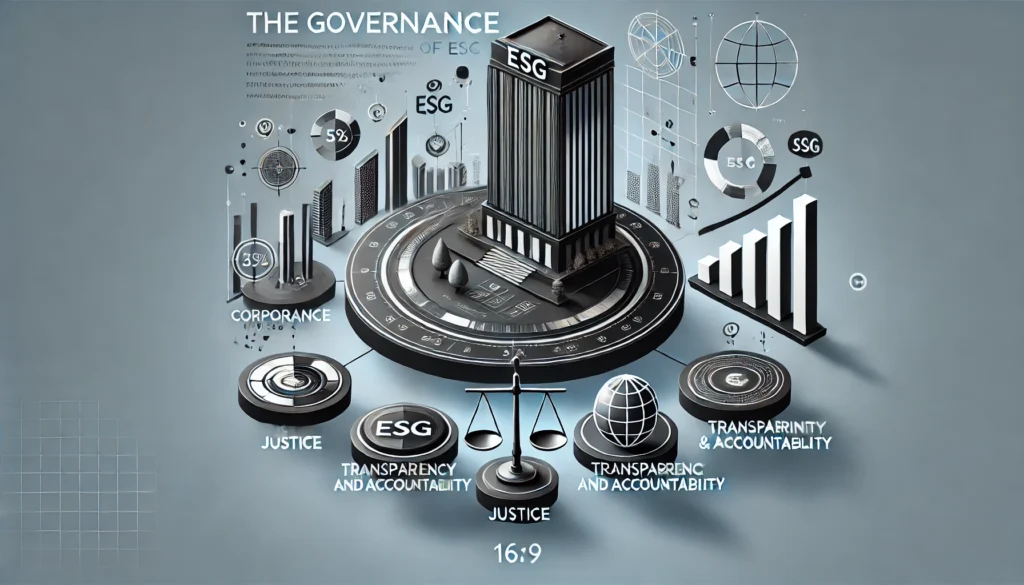
The Yönetişim bileşen bir şirketin nasıl yönetildiğini ve etik ve şeffaf bir şekilde faaliyet gösterip göstermediğini değerlendirir. Anahtar alanlar şunları içerir:
- Yönetim Kurulu Çeşitliliği ve Yapısı: Farklı kurullar, karar alma sürecini ve şirket performansını artırabilecek farklı bakış açıları getirir.
- Yönetici Tazminatı: Yönetici ücretlerinin şirketin ve paydaşlarının uzun vadeli başarısıyla uyumlu olmasını sağlamak.
- Hissedar Hakları: Hissedar çıkarlarının korunması ve karar alma süreçlerinde şeffaflığın sağlanması.
- Etik İş Uygulamaları: Güçlü yolsuzlukla mücadele politikaları, mali raporlamada şeffaflık ve etik standartlara bağlılık.
Etkili yönetişim, şirketlerin sorumlu bir şekilde ve dürüstlükle yönetilmesini sağlar; bu da yatırımcılar ve paydaşlar nezdinde güven oluşturur.
ESG İş Başarısı İçin Neden Önemlidir?
ÇSY yalnızca bir etik sorumluluk meselesi değildir; uzun vadeli iş başarısının temel itici gücüdür. ÇSY faktörlerinde iyi performans gösteren şirketlerin aşağıdakileri yapma olasılığı daha yüksektir:
Yatırımcı Odağı
Sosyal açıdan sorumlu yatırımcılar, yatırım kararlarına rehberlik etmek için giderek daha fazla ÇSY kriterlerini kullanıyor. Yatırımcılar, güçlü ÇSY uygulamalarına sahip şirketlerin çevresel kaygıların ve sosyal bilincin arttığı bir dünyada başarılı olmak için daha iyi bir konumda olduklarının farkındalar.
Risk Yönetimi
Şirketler ÇSY'ye odaklanarak iklim değişikliği, sosyal huzursuzluk ve yönetişim sorunlarıyla ilgili potansiyel riskleri yönetebilir. Güçlü ÇSY uygulamaları, işletmelerin itibar kaybından ve yasal yükümlülüklerden kaçınmasına yardımcı olurken, gelecekteki zorluklara karşı dayanıklılığı da artırır.
Marka Bağlılığı ve Müşteri Beklentileri
Tüketiciler, kendi değerleriyle uyumlu şirketlerden ürün ve hizmet satın almaya giderek daha fazla ilgi gösteriyor. Müşteriler topluma ve çevreye olumlu katkıda bulunan etik şirketleri takdir ettiğinden, güçlü ESG uygulamaları daha fazla marka bağlılığına yol açmaktadır.
Uzun Vadeli Dayanıklılık
ÇSY odaklı işletmeler uzun vadede daha uyumlu ve dirençli olma eğilimindedir. Şirketler, çevresel, sosyal ve yönetişim konularını proaktif bir şekilde ele alarak pazardaki değişimlere ve gelecekteki mevzuat değişikliklerine daha iyi uyum sağlayabilir.
ESG Derecelendirmeleri ve Raporlama
Şirketler giderek daha fazla ÇSY performanslarına göre değerlendiriliyor. Birçok üçüncü taraf kuruluş, yatırımcıların bir şirketin sürdürülebilirlik çabalarını ve etik uygulamalarını değerlendirmesine yardımcı olan ESG derecelendirmeleri sağlıyor. Anahtar derecelendirme kuruluşları şunları içerir:
- RobecoSAM Total Sustainability Rank: Provides a comprehensive sustainability rating for companies globally.
- ISS Governance Quality Score: Focuses on corporate governance and evaluates how well companies manage governance factors.
- CDP (formerly Carbon Disclosure Project): Focuses on a company’s environmental performance, particularly its efforts to manage climate-related risks.
Companies are also expected to provide annual ESG reports şeffaflık ve sürdürülebilirliğe olan bağlılıklarını göstermek. Bu raporlar, bir şirketin ÇSY performansını anlamak isteyen paydaşlar için giderek daha önemli hale geliyor.

ESG'nin İş Hayatında Uygulanması: Adım Adım Kılavuz
ÇSY uygulamalarını hayata geçirmek bunaltıcı görünebilir ancak işletmeler başarılı entegrasyonu sağlamak için adım adım bir yaklaşım benimseyebilir.
Temel Bilgilerle Başlayın
- Net ÇSY hedefleri belirleyin: İşletmenizin gelişebileceği karbon emisyonları, çalışan çeşitliliği veya kurumsal yönetim gibi temel alanları belirleyin.
- Paydaşların katılımını sağlayın: Çalışanlarınızı, müşterilerinizi ve yatırımcılarınızı ESG çalışmalarınıza dahil edin. Başarı için onların katkısı ve desteği çok önemlidir.
Ölç ve Raporla
- ESG verilerini takip edin: Use ESG software or data collection tools to measure your progress against ESG goals.
- Publish regular reports: Share your ESG progress with stakeholders through annual reports, demonstrating transparency and accountability.
ESG'nin Benimsenmesindeki Zorluklar
Despite the many benefits of ESG, businesses face several challenges when adopting these practices:
Data Collection and Reporting
Güvenilir ve tutarlı ÇSY verileri toplamak, özellikle karmaşık operasyonlara sahip işletmeler için zor olabilir. Performansı doğru bir şekilde izlemek için doğru araçlara ve kaynaklara yatırım yapmak çok önemlidir.
Uyumluluk Karmaşıklığı
Farklı bölgelerin farklı ESG düzenlemeleri vardır. ÇSY uyumluluğunun gelişen küresel ortamında gezinmek çok uluslu şirketler için zorlayıcı olabilir.
Değişime Direnç
Geleneksel endüstrilerde yeni ÇSY uygulamalarının benimsenmesine karşı direnç olabilir. Bu direncin üstesinden gelmek, liderlik taahhüdünü ve çalışanların katılımını gerektirir.

ESG'nin Geleceği
The future of ESG is bright as more businesses recognize its importance in shaping a sustainable and ethical future. Key trends include:
ESG and Innovation
Businesses that adopt ESG principles are often better positioned to innovate, especially in areas like green technology, sustainable product development, Ve energy-efficient solutions.
ESG in Emerging Markets
As ESG principles gain traction worldwide, emerging markets are expected to play a crucial role in the global ESG landscape. Companies in these regions will need to adopt ESG practices to attract investment and drive sustainable growth.
Teknolojik Gelişmeler
The use of AI, data analytics, Ve blockchain technologies will continue to revolutionize ESG reporting and help businesses track, measure, and report on their ESG performance more efficiently.
SSS Bölümü
1. What is ESG?
- ESG stands for Çevresel, Sosyal ve Yönetişim. It’s a framework used to evaluate a company’s impact in these three areas, focusing on sustainability and ethical practices.
2. Why is ESG important for businesses?
- ESG is crucial because it helps companies manage risks, meet stakeholder expectations, and build long-term sustainability. It also positively impacts financial performance by attracting socially responsible investors.
3. How can businesses start implementing ESG practices?
- Businesses should begin by setting clear ESG goals, engaging employees and stakeholders, and adopting data-driven tools for tracking progress and reporting.
4. What are ESG ratings and why do they matter?
- ESG ratings are assessments by third-party agencies that evaluate how well a company meets environmental, social, Ve governance criteria. These ratings help investors make informed decisions.
5. What are the challenges in adopting ESG?
- Challenges include data collection, compliance with varying global standards, and overcoming internal resistance to change, especially in industries with established practices.
6. How does ESG impact a company’s financial performance?
- Strong ESG practices can improve cost management, enhance brand loyalty, and attract long-term investors, contributing to financial stability and growth.
7. How does ESG contribute to environmental sustainability?
- ESG practices focus on reducing carbon emissions, improving energy efficiency, and minimizing waste, all of which contribute to çevresel sürdürülebilirlik.
8. What role does governance play in ESG?
- Governance ensures that a company operates in a transparent, ethical, Ve accountable manner, which builds trust with investors Ve stakeholders.
Alıntılar:
- Climate Partner – ESG Explanation
- Rosstone Opex – What is ESG?
- IBM – ESG Overview
- 6clicks – ESG Components
- TechTarget – ESG
- Investopedia – ESG
- Corporate Governance Institute – ESG Importance
- Corporate Governance Institute – ESG Guide
- Corporate Finance Institute – ESG