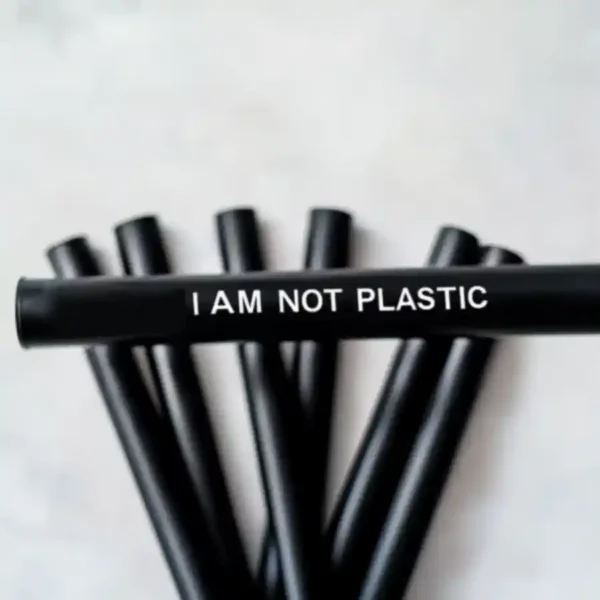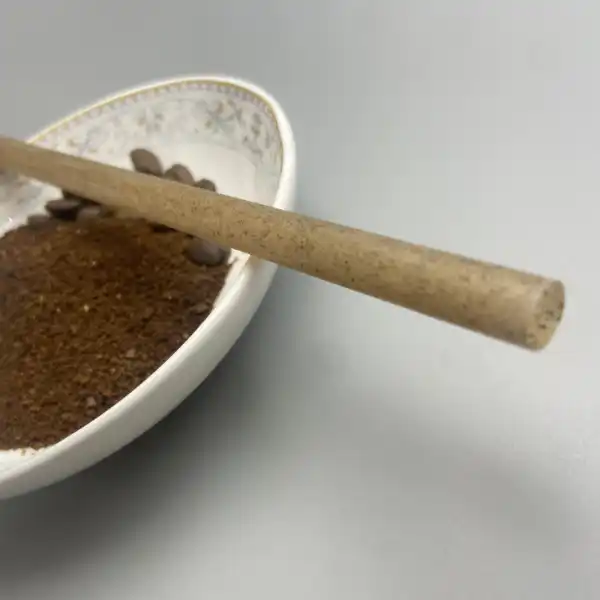

Why don’t we use bamboo straws?
## Why Don’t We Use Bamboo Straws? A Deep Dive into the Eco-Friendly Alternative
giriiş
Our planet is grappling with a critical environmental issue, primarily driven by the extensive use of plastic straws. Although they may appear insignificant, these straws significantly contribute to plastic pollution, endanger marine species, and add to the vast amounts of waste in our oceans. In recent times, there has been a surge in interest in eco-friendly alternatives to plastic straws, among them bamboo straws. However, despite their environmental benefits, bamboo straws are yet to be broadly adopted. This blog post aims to unpack this paradox and shed light on why bamboo straws need to be considered more seriously.
Understanding Bamboo Straws
Bamboo straws are derived from the natural, renewable resource of bamboo. Here’s a rundown of how they’re made and their unique features:
How They Are Made
Bamboo straws are manufactured from 100% natural bamboo, which is cut to size, smoothed, and sometimes polished. Their production typically necessitates minimal resource inputs like water, pesticides, or fertilizers, making it an energy-efficient method.
Unique Features of Bamboo Straws
- Yenilenebilir Kaynak: Bamboo is a highly sustainable crop that grows rapidly without the need for fertilizers or pesticides.
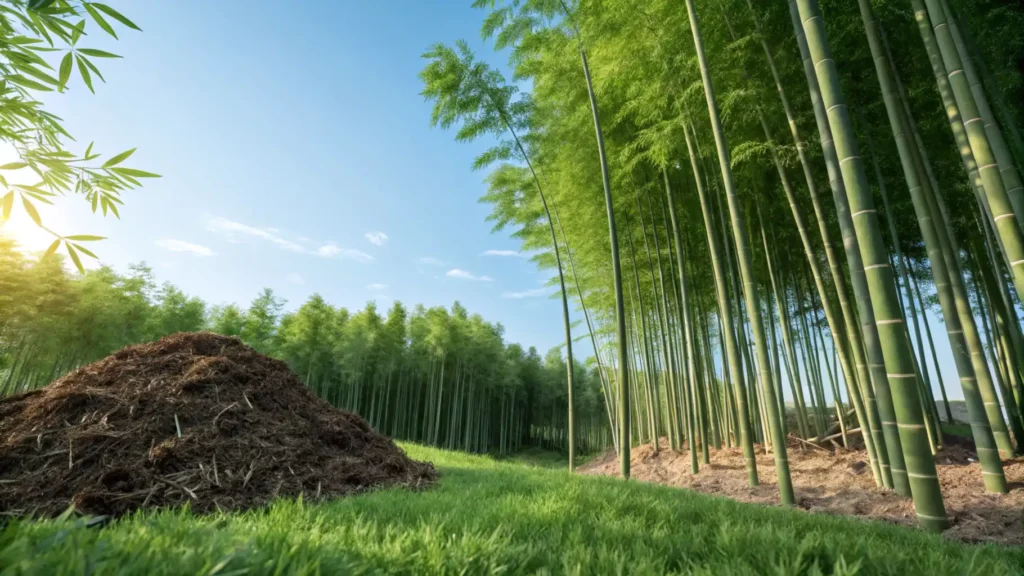
- Biyolojik olarak parçalanabilir ve Gübrelenebilir: Unlike plastic straws, which take hundreds of years to decompose, bamboo straws can be composted at the end of their lifespan, returning to the earth without leaving harmful residues.
- No Harmful Chemicals: Bamboo straws do not contain any harmful chemicals, ensuring they are safe for drinking and do not leach into beverages.
Case Studies of Successful Bamboo Straw Usage
Several companies and countries have successfully implemented the use of bamboo straws, demonstrating their positive impacts on the environment.
Companies Leading the Charge
Companies like FOOGO Green have been at the forefront of promoting bamboo straws as a sustainable alternative. Their straws are made from high-quality bamboo, are allergen-free, and come in various sizes suitable for different beverages.
Another company, ARBHU Enterprises, has detailed the manufacturing process of bamboo straws, showcasing their eco-friendly nature and low carbon footprint.
Countries Embracing Sustainable Practices
İngiltere gibi ülkeler tek kullanımlık plastik pipetleri yasaklayarak bambu pipetler gibi sürdürülebilir alternatiflerin önünü açtı. Bu politika değişikliği, tüketicileri çevre dostu seçenekleri tercih etmeye teşvik ederek plastik atığı önemli ölçüde azalttı.
Bambu Pipet Uygulamasındaki Zorluklar
Faydalarına rağmen, bambu kamışlarının yaygın olarak benimsenmesini engelleyen çeşitli zorluklar var.
Practicality Issues
- Dayanıklılık ve Kullanılabilirlik: Bazı tüketiciler, bükülmeye veya bükülmeye daha yatkın olabilen doğal malzemeleri nedeniyle bambu pipetleri plastik pipetlere göre daha az kullanışlı bulabilir. Ancak birçok üretici pipetlerinin sağlam ve dayanıklı olmasını sağlayarak bu sorunu çözüyor.
- Temizlik ve Bakım: Bamboo straws require gentle soap and warm water for cleaning. If not properly dried, they can develop mold or mildew, which can be a hygiene concern.
Maliyet Faktörü
- Production Costs: The cost of producing bamboo straws can be higher than that of plastic straws due to the natural material and handcrafted or energy-efficient manufacturing methods.
- Retail Prices: Although the retail price of bamboo straws is generally comparable to plastic straws, it may still be a deterrent for some consumers.
Potential Health Concerns
- Allergies: There is a minimal risk of allergies to bamboo, but some individuals might still be concerned. Proper sourcing and manufacturing processes minimize this risk.
- Hygiene Issues: Uygun temizlik ve bakım ile bambu kamışlarının hijyenik olduğu düşünülebilir. Üreticiler genellikle bu işlemi kolaylaştırmak için bir temizleme fırçası içerir.
Büyük Resim: Plastik Kirliliği Sorunu
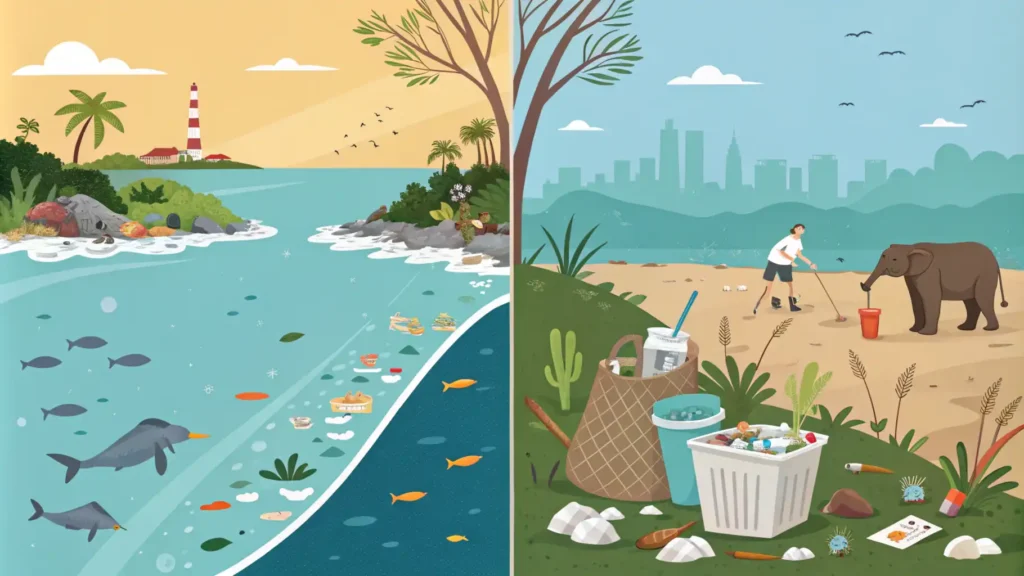
Plastik kirliliği küresel bir sorundur ve her yıl yaklaşık 12,7 milyon ton plastik okyanuslarımıza karışmaktadır. Bu düzeydeki kirlilik, tüketici davranışlarında ve ürün seçimlerinde sistemik bir değişikliği gerektirmektedir.
Recap of Plastic Pollution
Plastik pipetler okyanus kirliliğine önemli ölçüde katkıda bulunuyor, deniz yaşamına zarar veriyor ve ekosistemlerimizi kirletiyor. Plastik pipetlerin uzun ayrışma süresi, kullanılan en küçük miktarın bile zamanla birikerek yıkıcı etkilere neden olabileceği anlamına gelir.
Role of Bamboo Straws
Bambu pipetlerinin kullanılması plastik atıkları önemli ölçüde azaltabilir ve sürdürülebilir uygulamaları destekleyebilir. Biyolojik olarak parçalanabilir yapıları, yaban hayatına veya ekosistemlere zarar vermeden doğal olarak ayrışmalarını sağlar.
Need for Systemic Changes
Bambu kamışları geçerli bir alternatif sunarken, daha büyük bir çözümün yalnızca bir parçasını oluşturuyorlar. Eğitim, yenilik ve politika değişiklikleri yoluyla plastik kirliliğinin temel nedenlerini ele almamız gerekiyor.
Zorlukların Üstesinden Gelmek: Ne Yapılabilir?
Bambu kamışlarıyla ilgili zorlukların üstesinden gelmek için çeşitli stratejiler kullanılabilir:
Innovations in Production
Üretim süreçlerindeki yenilikler, üretim maliyetlerini azaltabilir ve dayanıklılığı artırabilir. Örneğin, ambalajlama için sürdürülebilir malzemelerin kullanılması ve üretim tekniklerinin optimize edilmesi verimliliği artırabilir.
Government Subsidies
Hükümetler, bambu kamışları gibi çevre dostu alternatifler üreten şirketlere sübvansiyonlar sağlayarak onları piyasada daha rekabetçi hale getirebilir.
Tüketici Eğitimi
Tüketicileri bambu kamışlarının faydaları ve tek kullanımlık plastiklerin neden olduğu zararlar konusunda eğitmek, sürdürülebilir alternatiflere olan talebi artırabilir. Bambu kamışlarının çevre dostu yönlerini vurgulayan pazarlama kampanyaları da önemli bir rol oynayabilir.
Other Sustainable Alternatives
Bambu kamışlarının yanı sıra diğer sürdürülebilir alternatifler arasında hasat edilmiş buğday saplarından yapılan ve tamamen gübreleşebilen buğday samanları yer alıyor.
Çözüm
In conclusion, while there are several reasons why bamboo straws are not yet widely used, their eco-friendly nature and potential to significantly reduce plastic pollution make them an attractive alternative. By addressing the practicality issues, cost factors, and potential health concerns associated with bamboo straws, we can increase their adoption rates.
We must recognize the bigger picture of plastic pollution and take a holistic approach to combat this issue. By choosing sustainable products like bamboo straws, we can contribute to a cleaner environment and support sustainable practices.
Steps You Can Take:
- Switch to Bamboo Straws: Make the switch from plastic to bamboo straws in your daily life.
- Educate Others: Share information about the benefits of bamboo straws with friends and family.
- Support Eco-Friendly Brands: Choose brands that offer sustainable alternatives like bamboo straws.
- Participate in Policy Changes: Advocate for policies that promote the use of sustainable materials.
Together, we can make a difference and reduce our plastic footprint.
Referanslar
- Interfaith Sustain: “Bamboo Straws”
- Seek Bamboo: “Reusable Bamboo Drinking Straws”
- ARBHU Enterprises: “Discover How Bamboo Straws are Made”
- Decoding Biosphere: “Are Bamboo Straws Safe and Reusable?”
- FOOGO Green: “Advantages of Using Bamboo Straws”