
ماحولیاتی ذمہ داری کو مسابقتی فائدہ میں تبدیل کرنا
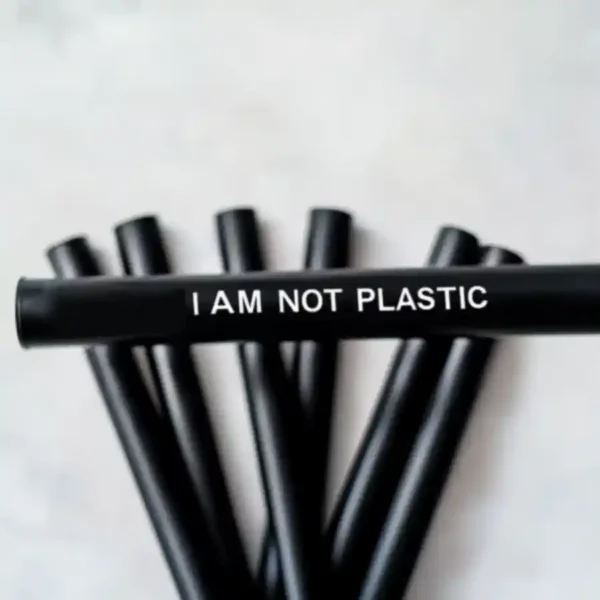
آج کے تیزی سے بدلتے ہوئے کاروباری منظر نامے میں، پائیداری اب ایک پردیی غور و فکر نہیں رہی- یہ ایک اہم اسٹریٹجک ضروری ہے۔ شائستہ اسٹرا ماحولیاتی ذمہ داری کے لیے تنظیمی وابستگی کے ایک طاقتور مائیکرو کاسم کی نمائندگی کرتا ہے، جو کاروباروں کو برانڈ کے تصور اور آپریشنل کارکردگی کو بڑھاتے ہوئے بامعنی تبدیلی لانے کا ایک ٹھوس موقع فراہم کرتا ہے۔
پائیدار اختراع کا اسٹریٹجک ضروری
ماحولیاتی اثرات کی خرابی۔
- روزانہ 8.3 بلین پلاسٹک کے تنکے ضائع کیے جاتے ہیں۔
- روایتی پلاسٹک کے لیے 500 سالہ سڑنے کی ٹائم لائن
- 99% پلاسٹک کے تنکے لینڈ فلز یا سمندری ماحولیاتی نظام میں ختم ہوتے ہیں۔
ماحول دوست اسٹرا کو اپنانے کے کثیر جہتی فوائد
-
ماحولیاتی تحفظ
- فضلہ میں فوری کمی
- ماحولیاتی نظام کا تحفظ
- کاربن فوٹ پرنٹ کو کم سے کم کرنا
- بایوڈیگریڈیبل مواد کا استعمال
-
کاروباری کارکردگی میں اضافہ
- پائیدار مصنوعات کے لیے 73% پریمیم قیمتوں کی رواداری
- کسٹمر برقرار رکھنے میں 15 فیصد ممکنہ اضافہ
- کارپوریٹ سماجی ذمہ داری کا مظاہرہ کیا۔
- مسابقتی تفریق

جامع نفاذ کا فریم ورک
اسٹریٹجک تشخیص کا طریقہ کار
- موجودہ ماحولیاتی اثرات اور صارفین کے تاثرات کا اندازہ لگائیں۔
- پائیدار اختراع کے لیے ممکنہ علاقوں کی نشاندہی کریں۔
- مرحلہ وار عمل درآمد کا منصوبہ تیار کریں۔
- پیشرفت کی نگرانی کریں اور تاثرات اور نتائج کی بنیاد پر اعادہ کریں۔
مجموعی تشخیصی میٹرکس
- فضلہ میں کمی کی مقدار
- کاربن اثرات کی تشخیص
- کسٹمر کے جذبات کا تجزیہ
- مالی کارکردگی سے باخبر رہنا
ٹیکنالوجی سے چلنے والی ٹریکنگ
- اعلی درجے کی تجزیاتی انضمام
- ریئل ٹائم پائیداری کے ڈیش بورڈز
- پیش گوئی کرنے والی ماحولیاتی ماڈلنگ
جدید مواد کے متبادل
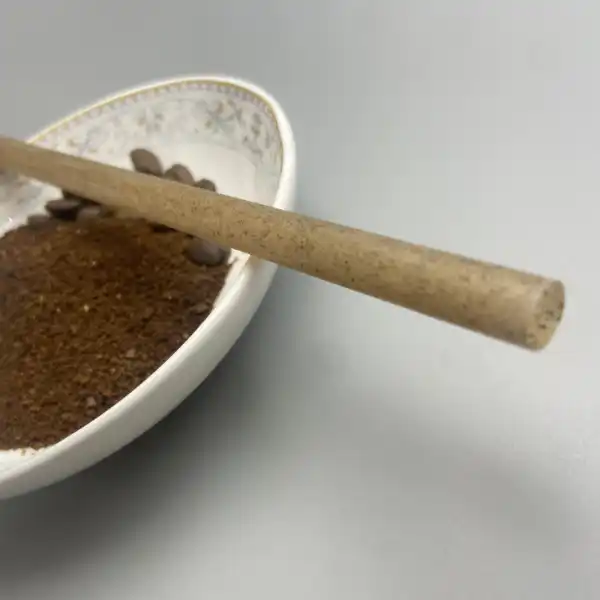
- بانس پر مبنی تنکے
- پودوں سے ماخوذ بایو پلاسٹک
- خوردنی بھوسے کی ٹیکنالوجیز
- دوبارہ تخلیقی مادی اختراعات
تبدیلی والے کیس اسٹڈیز
مہمان نوازی کے شعبے میں انقلاب
میریٹ انٹرنیشنل کا عالمی سطح پر پلاسٹک اسٹرا کا خاتمہ قابل توسیع پائیداری کو ظاہر کرتا ہے:
- سالانہ 60 ملین پلاسٹک کے تنکے روکے جاتے ہیں۔
- جامع سپلائی چین کو دوبارہ ڈیزائن کرنا
- قابل پیمائش ماحولیاتی اور برانڈ کی ساکھ میں بہتری
خوردہ پائیداری کی قیادت
اسٹاربکس کی اسٹریٹجک اسٹرا ٹرانسفارمیشن:
- مکمل پلاسٹک اسٹرا فیز آؤٹ
- عالمی پالیسی کا نفاذ
- صارفین کی تعلیم اور مشغولیت
- صنعت کی وسیع تر ترغیب
اسٹریٹجک کمیونیکیشن اپروچ
مصروفیت کا ماحولیاتی نظام
- شفاف رپورٹنگ
- عمیق کہانی سنانا
- ملٹی چینل مواصلات
- انٹرایکٹو کسٹمر کے تجربات
مواصلاتی چینلز
- سوشل میڈیا مہمات
- پائیداری مائکروسائٹ
- پیکیجنگ بیانیہ
- انٹرایکٹو ڈیجیٹل پلیٹ فارم
نفاذ کا روڈ میپ
جامع تشخیص
-
- موجودہ تنکے کی کھپت کا تجزیہ
- ماحولیاتی اثرات کی تشخیص
- مالی امکانات کا مطالعہ
مستقبل پر مبنی تناظر
ماحول دوست اسٹرا اپنانا آپریشنل ایڈجسٹمنٹ سے زیادہ کی نمائندگی کرتا ہے — یہ تنظیمی اقدار کا گہرا بیان ہے۔ پائیدار اختراع کو اپنانے سے، کاروبار یہ کر سکتے ہیں:
- ڈرائیو ماحولیاتی بحالی
- مسابقتی تفریق پیدا کریں۔
- مستند صارف کنکشن بنائیں
- عالمی پائیداری کے اہداف میں تعاون کریں۔
قابل عمل بصیرت
فوری اگلے اقدامات
- پائیداری کا جامع آڈٹ کریں۔
- متبادل مادی ٹیکنالوجیز کو دریافت کریں۔
- اندرونی پائیداری کے چیمپئنز تیار کریں۔
- شفاف مواصلاتی حکمت عملی بنائیں
نتیجہ
پائیدار کاروباری طریقوں کی طرف سفر حکمت عملی، سوچ سمجھ کر مداخلتوں سے شروع ہوتا ہے۔ ماحول دوست سٹرا صرف پروڈکٹ کا انتخاب نہیں ہیں — وہ جامع تنظیمی تبدیلی کے لیے ایک اتپریرک ہیں، جو یہ ظاہر کرتے ہیں کہ بامعنی تبدیلی انتہائی غیر متوقع جگہوں سے ابھر سکتی ہے۔
حوالہ جات
- اقوام متحدہ کا ماحولیاتی پروگرام
- اوشین کنزروینسی ریسرچ رپورٹ
- نیلسن گلوبل سسٹین ایبلٹی رپورٹ
- ہارورڈ بزنس ریویو
- مخروطی مواصلات CSR مطالعہ
اکثر پوچھے گئے سوالات
ماحول دوست اسٹرا استعمال کرنے کے ماحولیاتی فوائد کیا ہیں؟
ماحول دوست تنکے میں تبدیل ہونے سے پلاسٹک کے فضلہ کو کم کرنے ، کاربن کے نچلے حصے کو کم کرنے اور سمندری زندگی کی حفاظت میں مدد ملتی ہے۔ ان متبادلات کو اپنانے والے کاروبار ماحولیاتی تحفظ کی کوششوں میں نمایاں کردار ادا کرتے ہیں ، جو عالمی استحکام کے اہداف کے مطابق ہیں۔
کاروبار ماحول دوست تنکے کو کس طرح مؤثر طریقے سے نافذ کرسکتے ہیں؟
ماحول دوست تنکے کو مؤثر طریقے سے نافذ کرنے کے ل business ، کاروباری اداروں کو پائیداری کا آڈٹ کروانے ، متبادل مواد کی تلاش ، اور اسٹیک ہولڈرز کو شامل کرکے شروع کرنا چاہئے۔ یہ اسٹریٹجک نقطہ نظر ہموار منتقلی کو یقینی بناتا ہے اور ماحولیاتی اثرات کو زیادہ سے زیادہ کرتا ہے۔
ماحول دوست تنکے میں سوئچ کرنے کے لاگت کے مضمرات کیا ہیں؟
ابتدائی طور پر ، ماحول دوست تنکے روایتی پلاسٹک کے مقابلے میں زیادہ مہنگے لگ سکتے ہیں۔ تاہم ، فضلہ کے انتظام کے کم اخراجات اور بہتر برانڈ کی ساکھ سے طویل مدتی بچت ابتدائی سرمایہ کاری کو پورا کرسکتی ہے۔
کیا ماحول دوست تنکے واقعی پائیداری میں فرق پیدا کر سکتے ہیں؟
ہاں، جب کہ یہ ایک بہت بڑے ماحولیاتی مسئلے کا ایک چھوٹا حصہ ہیں، ماحول دوست اسٹرا کا استعمال ایک بار استعمال ہونے والے پلاسٹک کی کھپت کو کم کرنے کی طرف ایک قدم ہے، جو مجموعی طور پر اہم ماحولیاتی فوائد کا باعث بن سکتا ہے۔
ماحول دوست اسٹرا کے لیے کون سا مواد بہترین سمجھا جاتا ہے؟
بانس، سٹینلیس سٹیل، اور بایوڈیگریڈیبل پلاسٹک ماحول دوست اسٹرا کے لیے سرفہرست مواد میں سے ہیں۔ ہر ایک منفرد فوائد پیش کرتا ہے اور مخصوص کاروباری ضروریات اور ماحولیاتی اہداف کی بنیاد پر منتخب کیا جا سکتا ہے۔
صارفین عام طور پر ماحول دوست اسٹرا کے استعمال پر کیا ردعمل دیتے ہیں؟
صارفین کا ردعمل بہت زیادہ مثبت ہے، کیونکہ بہت سے لوگ ماحول کے حوالے سے زیادہ باشعور ہو رہے ہیں۔ ماحول دوست طرز عمل اپنانے والے کاروبار اکثر صارفین کی وفاداری اور برانڈ کے تصور میں اضافہ دیکھتے ہیں۔
کیا ماحول دوست اسٹرا استعمال کرنے کے لیے کوئی قانونی تقاضے ہیں؟
کچھ خطوں میں، واحد استعمال کے پلاسٹک کو کم کرنے کے لیے قانونی تقاضے ہیں، جن میں تنکے بھی شامل ہیں۔ کمپنیوں کو مقامی قوانین کے بارے میں آگاہ رہنا چاہیے تاکہ پائیداری میں تعمیل اور قیادت کو یقینی بنایا جا سکے۔
کمپنیاں ماحول دوست اسٹرا پر اپنے سوئچ کو فروغ دینے کے لیے کیا اقدامات کر سکتی ہیں؟
کمپنیاں تعلیمی مہمات شروع کر کے، ماحولیاتی فوائد کو ظاہر کر کے، اور شفاف مواصلاتی حکمت عملیوں کے ذریعے صارفین اور اسٹیک ہولڈرز کے ساتھ فعال طور پر مشغول ہو کر اپنے سوئچ کو فروغ دے سکتی ہیں۔
پائیدار طریقوں کے بارے میں مزید معلومات کے لیے ہم سے رابطہ کریں۔