
The shift towards eco-friendly practices has intensified scrutiny of single-use plastic straws. Businesses are increasingly seeking sustainable alternatives, primarily reusable straws and biodegradable disposables like sugarcane or paper straws. This guide analyzes the environmental impact, pros, cons, and cost implications of each option to help your business make informed decisions.
تنکے کے ماحولیاتی اثرات
Single-use plastics pose a significant environmental threat. Plastic بوبا تنکے سے تنکے take an estimated 200 years to decompose, releasing microplastics into the environment and contributing to soil and water contamination. By 2050, plastics could account for 15% of global carbon emissions. The sheer volume of waste is staggering; studies show over 84,000 plastic straws are discarded monthly on some university campuses alone, highlighting the pervasive reliance on disposables.
In contrast, paper گنے کے تنکے سے تنکے decompose in approximately 3 hours, although their short lifespan necessitates frequent replacement and contributes to deforestation. Sugarcane straws offer a more sustainable alternative, breaking down within 12 weeks and boasting sufficient durability for most beverages. Reusable straws, such as metal or bamboo, eliminate waste entirely, but require cleaning and represent an initial investment.
Reusable Straws: A Detailed Analysis
Metal Straws:
- پیشہ: Durable, dishwasher-safe, resistant to both heat and cold. They offer a significant cost savings over time.
- مواقع: Higher initial cost ($2–$8 per unit); some users report a metallic taste in certain beverages. Consider offering a variety of metal types to minimize this issue.
سلیکون تنکے:
- پیشہ: Flexible, BPA-free, and budget-friendly ($1–$3), making them a more accessible option for employees or customers.
- مواقع: Prone to staining and odor retention; not biodegradable. Regular cleaning and replacement may be necessary to maintain hygiene.
شیشے کے تنکے:
- پیشہ: Non-toxic and aesthetically pleasing, potentially enhancing the brand image for businesses prioritizing elegance.
- مواقع: Fragile ($2–$8 per unit), posing a breakage risk during transport and handling. Not ideal for high-traffic environments.
بانس کے تنکے:
- پیشہ: Biodegradable ($0.50–$2 per unit), naturally antimicrobial, and offer a sustainable choice aligning with eco-conscious branding.
- مواقع: Not dishwasher-safe; may absorb flavors over time, requiring more frequent replacement.
Disposable Straw Alternatives: Balancing Convenience and Sustainability
For businesses requiring single-use options, careful consideration is crucial.
کاغذ کے تنکے:
- پیشہ: Affordable ($0.01–$0.05 per unit), and recyclable, appealing to environmentally conscious consumers.
- مواقع: Become soggy quickly, limiting their usability; their production contributes to deforestation. Consider sourcing straws made from recycled paper to mitigate this impact.
گنے کے تنکے:
- پیشہ: Heat-resistant (up to 90°C), remain functional for 24+ hours in drinks, and are compostable within 12 weeks. Certifications such as ABA Home Compostable and BPI Commercial Compostable validate their sustainability.
- مواقع: Limited availability in some regions; may not be suitable for all beverages.
To Stay Ahead of the Curve in Sustainable Practices

Cost Comparison: Long-Term Investment vs. Short-Term Expense
The initial cost of reusable straws is higher, but their longevity significantly reduces long-term expenses and waste. Disposable options offer immediate cost savings, but the ongoing environmental and potential reputational costs must be factored in.
| معیار | Reusable (Metal) | Disposable (Sugarcane) | پلاسٹک |
|---|---|---|---|
| پیشگی لاگت | $2–$8 per unit | $0.10–$0.15 per unit | $0.005 |
| عمر بھر | سال | Single use | Single use |
Innovative Alternatives:
Explore emerging options like pasta straws (biodegradable/edible) and seaweed-based “disappearing” straws (LOLIWARE).
- پیشہ: Durable and ideal for restaurants and cafes.
- مواقع: Higher initial cost than paper straws. Ensure proper composting facilities are available.
Waste ImpactMinimal to NoneCompostableSignificant
Long-Term CostSignificantly LowerSignificantly HigherHigh
قابل عمل بصیرت:
- Assess your business needs: High-volume businesses might benefit from sugarcane straws, while cafes or restaurants with a focus on sustainability might prioritize reusable options.
- Educate your customers: Promote the benefits of reusable straws and provide clear disposal instructions for biodegradable alternatives.
- Consider a hybrid approach: Offer both reusable and sustainable disposable options to cater to diverse customer preferences.
- Partner with suppliers: Collaborate with suppliers committed to sustainable sourcing and manufacturing practices.
- Measure your impact: Track your straw usage and waste to monitor the effectiveness of your chosen strategy.
While reusable options offer long-term cost savings by eliminating repeat purchases, sugarcane straws provide a financially viable and sustainable alternative for high-volume businesses like cafes.
کاروباری اداروں کے لئے قابل عمل بصیرت
- Prioritize Durability: Sugarcane straws surpass paper straws in hot and cold drinks, minimizing customer dissatisfaction related to sogginess. For example, a cafe switching from paper to sugarcane straws might see a decrease in complaints and potentially…
Understanding the Impact of Straws on Sustainability
| فضلہ کا اثر | Minimal to None | کمپوسٹیبل | اہم |
| Long-Term Cost | Significantly Lower | Significantly Higher | اعلی |
قابل عمل بصیرت:
- Assess your business needs: High-volume businesses might benefit from sugarcane straws, while cafes or restaurants with a focus on sustainability might prioritize reusable options.
- Educate your customers: Promote the benefits of reusable straws and provide clear disposal instructions for biodegradable alternatives.
- Consider a hybrid approach: Offer both reusable and sustainable disposable options to cater to diverse customer preferences.
- Partner with suppliers: Collaborate with suppliers committed to sustainable sourcing and manufacturing practices.
- Measure your impact: Track your straw usage and waste to monitor the effectiveness of your chosen strategy.
While reusable options offer long-term cost savings by eliminating repeat purchases, sugarcane straws provide a financially viable and sustainable alternative for high-volume businesses like cafes.
کاروباری اداروں کے لئے قابل عمل بصیرت
- Prioritize Durability: Sugarcane straws surpass paper straws in hot and cold drinks, minimizing customer dissatisfaction related to sogginess. For example, a cafe switching from paper to sugarcane straws might see a decrease in complaints and potentially…
- Market Your Sustainability: Promote certifications like BPI Compostable or highlight partnerships with reusable product initiatives to appeal to environmentally conscious customers. Consider using marketing materials that clearly display these certifications and partnerships. A simple logo placement or a brief description on your menu can make a difference.
- Leverage Incentives: Explore local municipal programs offering tax breaks or other incentives for businesses using biodegradable products. Contact your local government’s environmental or business development office to inquire about available incentives.
- اپنے صارفین کو تعلیم دیں: Implement in-store signage or digital content explaining the benefits of your chosen straw type. For sugarcane straws, emphasize compostability.
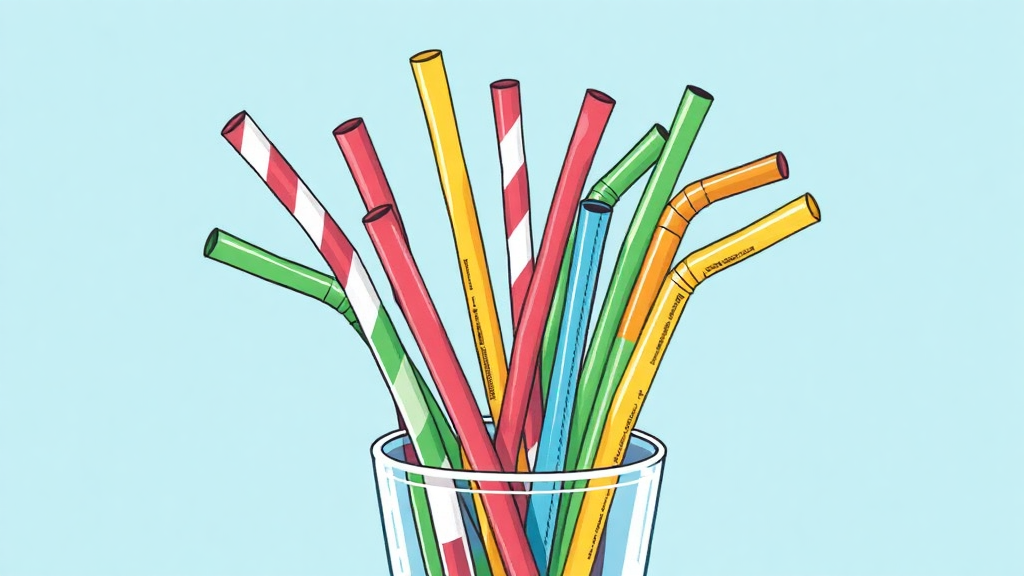
Durability and Sustainability in Straw Options
For reusable options, highlight their contribution to zero-waste initiatives. Consider using visually appealing infographics or short videos to effectively communicate this information.
5. Partner with Eco-Friendly Brands
Collaborate with suppliers offering sustainable packaging or products to enhance your overall environmental impact. This synergistic approach strengthens your brand’s sustainability narrative and can attract environmentally conscious consumers. For example, partnering with a local composting facility could add another layer to your sustainability message.
FAQs: Addressing Key Concerns
Q: Are reusable straws hygienic?
A: Yes! Metal, silicone, and glass straws are typically dishwasher-safe. Bamboo straws require handwashing with a vinegar solution. Clearly communicate cleaning instructions to customers, especially
- Market Your Sustainability: Promote certifications like BPI Compostable or highlight partnerships with reusable product initiatives to appeal to environmentally conscious customers. Consider using marketing materials that clearly display these certifications and partnerships. A simple logo placement or a brief description on your menu can make a difference.
- Leverage Incentives: Explore local municipal programs offering tax breaks or other incentives for businesses using biodegradable products. Contact your local government’s environmental or business development office to inquire about available incentives.
- اپنے صارفین کو تعلیم دیں: Implement in-store signage or digital content explaining the benefits of your chosen straw type. For sugarcane straws, emphasize compostability.
Durability and Sustainability in Straw Options
For reusable options, highlight their contribution to zero-waste initiatives. Consider using visually appealing infographics or short videos to effectively communicate this information.
5. Partner with Eco-Friendly Brands
Collaborate with suppliers offering sustainable packaging or products to enhance your overall environmental impact. This synergistic approach strengthens your brand’s sustainability narrative and can attract environmentally conscious consumers. For example, partnering with a local composting facility could add another layer to your sustainability message.
FAQs: Addressing Key Concerns
Q: Are reusable straws hygienic?
A: Yes! Metal, silicone, and glass straws are typically dishwasher-safe. Bamboo straws require handwashing with a vinegar solution. Clearly communicate cleaning instructions to customers, especially.
Q: Which option works best for hot drinks?
A: Sugarcane straws (heat-resistant up to 90°C) and metal straws are suitable. Avoid paper or silicone straws for hot beverages. This information should be included in staff training materials to ensure consistent service.
Q: How do costs compare long-term?
A: A $5 metal straw used daily saves approximately $18 annually compared to daily plastic straw usage (assuming $0.01/plastic straw). This cost savings calculation can be adjusted based on local pricing and usage patterns. Consider creating a simple cost comparison chart for your internal use.
Final Verdict
For businesses seeking immediate, impactful change without significant operational adjustments, sugarcane straws offer a superior compostable alternative to paper or plastic straws due to their durability. Businesses prioritizing zero-waste goals should invest in reusable metal or bamboo straws alongside comprehensive customer education campaigns. A phased approach, starting with sugarcane straws and gradually transitioning to reusable options, might be a practical strategy for some businesses.
Enhancing the Discussion: Case Studies and Data
Case Study: Starbucks’ Transition to Sustainable Straws
Starbucks’ 2018 global phase-out of plastic straws, replacing them with recyclable lids and compostable straws, exemplifies a successful transition to sustainable practices. This initiative, part of their broader commitment to reducing plastic waste by 50% by 2030, resulted in significant waste reduction and positive customer feedback.

Data-Driven Insights
- Consumer Preferences: A 2022 Nielsen survey indicated that 73% of global consumers are willing to alter consumption habits to reduce environmental impact. Aligning with these values can
Reusable Straws: The Sustainable Choice for Your Business
Q: Which option works best for hot drinks?
A: Sugarcane straws (heat-resistant up to 90°C) and metal straws are suitable. Avoid paper or silicone straws for hot beverages. This information should be included in staff training materials to ensure consistent service.
Q: How do costs compare long-term?
A: A $5 metal straw used daily saves approximately $18 annually compared to daily plastic straw usage (assuming $0.01/plastic straw). This cost savings calculation can be adjusted based on local pricing and usage patterns. Consider creating a simple cost comparison chart for your internal use.
Final Verdict on Reusable Straws
For businesses seeking immediate, impactful change without significant operational adjustments, sugarcane straws offer a superior compostable alternative to paper or plastic straws due to their durability. Businesses prioritizing zero-waste goals should invest in reusable metal or bamboo straws alongside comprehensive customer education campaigns. A phased approach, starting with sugarcane straws and gradually transitioning to reusable options, might be a practical strategy for some businesses.
Enhancing the Discussion: Case Studies and Data
Case Study: Starbucks’ Transition to Sustainable Straws
Starbucks’ 2018 global phase-out of plastic straws, replacing them with recyclable lids and compostable straws, exemplifies a successful transition to sustainable practices. This initiative, part of their broader commitment to reducing plastic waste by 50% by 2030, resulted in significant waste reduction and positive customer feedback.
Data-Driven Insights
- Consumer Preferences: A 2022 Nielsen survey indicated that 73% of global consumers are willing to alter consumption habits to reduce environmental impact. Aligning with these values can
Reducing Plastic Waste with Reusable Straws

Quantify the decrease in single-use plastic straw consumption—for instance, measure the number of plastic straws avoided per month or year. Then, transparently share these quantifiable metrics with your customers via your website, social media, and marketing materials. Showcase success stories and case studies demonstrating your environmental commitment. Transparency builds trust and strengthens your brand’s reputation as a responsible corporate citizen. For example, a statement like, “By switching to reusable straws, we’ve prevented X tons of plastic waste from entering landfills this year,” provides concrete evidence of your impact.
اضافی سوالات
Q: How do I ensure my reusable straws are clean?
- لاگت کی بچت: The Ellen MacArthur Foundation’s research suggests that companies adopting circular economy practices, including reusable products, could save $700 billion annually by 2030. This highlights the significant long-term financial benefits of sustainability.
Innovative Solutions
- کھانے کے قابل تنکے: Companies like Sorbos offer edible straws made from sugar, rice, and natural flavors, providing a unique customer experience while minimizing waste.
- Seaweed-Based Straws: LOLIWARE’s seaweed straws decompose within 24 hours, offering a fully sustainable single-use option.
ایکشن پر کال کریں
Ready to explore eco-friendly alternatives? Request free samples of our top-rated sugarcane or metal straw bundles today! Boosting your business’s green credentials involves a multifaceted approach. Let’s delve deeper into sustainable straw choices and their impact.
6. Monitor and Report Impact
Meticulously track your reduction.
Reducing Plastic Waste with Reusable Straws

Quantify the decrease in single-use plastic straw consumption—for instance, measure the number of plastic straws avoided per month or year. Then, transparently share these quantifiable metrics with your customers via your website, social media, and marketing materials. Showcase success stories and case studies demonstrating your environmental commitment. Transparency builds trust and strengthens your brand’s reputation as a responsible corporate citizen. For example, a statement like, “By switching to reusable straws, we’ve prevented X tons of plastic waste from entering landfills this year,” provides concrete evidence of your impact.
اضافی سوالات
Q: How do I ensure my reusable straws are clean?
- لاگت کی بچت: The Ellen MacArthur Foundation’s research suggests that companies adopting circular economy practices, including reusable products, could save $700 billion annually by 2030. This highlights the significant long-term financial benefits of sustainability.
Innovative Solutions
- کھانے کے قابل تنکے: Companies like Sorbos offer edible straws made from sugar, rice, and natural flavors, providing a unique customer experience while minimizing waste.
- Seaweed-Based Straws: LOLIWARE’s seaweed straws decompose within 24 hours, offering a fully sustainable single-use option.
ایکشن پر کال کریں
Ready to explore eco-friendly alternatives? Request free samples of our top-rated sugarcane or metal straw bundles today! Boosting your business’s green credentials involves a multifaceted approach. Let’s delve deeper into sustainable straw choices and their impact.
6. Monitor and Report Impact
Meticulously track your reduction.
Maintaining Hygiene Standards for Reusable Straws
Q: How can I maintain hygiene standards?
ج: دوبارہ قابل استعمال تنکے کی صفائی کو برقرار رکھنا بہت ضروری ہے۔ مینوفیکچرر کی ہدایات پر عمل کرتے ہوئے، سٹرا صاف کرنے والا خصوصی برش استعمال کریں۔ بانس کے تنکے کے لیے، سفید سرکہ کے پتلے محلول میں باقاعدگی سے بھگو دینا (ایک حصہ سرکہ سے چار حصے پانی) مؤثر طریقے سے جراثیم کشی کرتا ہے اور دیر سے آنے والی بدبو کو دور کرتا ہے۔ مسلسل حفظان صحت کو یقینی بنانے کے لیے عملے کے لیے ایک واضح صفائی پروٹوکول قائم کریں۔ اعلیٰ معیار کو برقرار رکھنے کے لیے عملے کو صفائی کی مناسب تکنیکوں کی تربیت فراہم کرنے پر غور کریں۔
س: کیا پائیدار سٹرا کو تبدیل کرنے کے ریگولیٹری فوائد ہیں؟
A: پائیدار متبادل کی طرف سوئچ کرنے سے اہم ریگولیٹری فوائد حاصل ہوتے ہیں۔ بہت سے دائرہ اختیار ایک بار استعمال کرنے والے پلاسٹک پر پابندی یا پابندیاں نافذ کر رہے ہیں، بشمول تنکے۔ پائیدار اسٹرا کو فعال طور پر اپنانا تعمیل کو یقینی بناتا ہے، غیر تعمیل سے وابستہ ممکنہ جرمانے اور جرمانے سے بچتا ہے۔ اپنے علاقے میں ابھرتے ہوئے ضوابط کے بارے میں آگاہ رہیں اور اس کے مطابق اپنی حکمت عملی کو ایڈجسٹ کریں۔ مسلسل تعمیل کو یقینی بنانے کے لیے متعلقہ قانون سازی کا باقاعدگی سے جائزہ لیں۔
س: ڈسپوزایبل کے مقابلے میں دوبارہ قابل استعمال تنکے پیدا کرنے کا مکمل لائف سائیکل کاربن فوٹ پرنٹ کیا ہے؟
A: While the initial carbon footprint of manufacturing reusable straws (e.g., stainless steel or bamboo) might be higher than disposable plastic straws, their significantly extended lifespan dramatically reduces their overall environmental impact. Consider the entire lifecycle: material sourcing, manufacturing, transportation, use, cleaning, and disposal or recycling. Life cycle assessments (LCAs) can provide a comprehensive comparison, highlighting the long-term environmental benefits of reusable options. For instance, a reusable stainless steel straw, used daily for years, will have a lower overall carbon footprint than thousands of disposable plastic straws.
حتمی خیالات
The choice between reusable and disposable straws is a strategic business decision.
Impacting Environmental Responsibility and Brand Image
A thorough cost-benefit analysis considering environmental impact, regulatory compliance, customer preferences, and potential long-term savings should guide your decision. Prioritize sustainability goals alongside operational efficiency to maximize positive impact. Consider conducting customer surveys to gauge preferences and incorporate their feedback into your decision-making process.
سی ٹی اے: Ready to make a sustainable switch and enhance your brand’s image? Request free samples of our premium sugarcane or metal straw bundles today and embark on a journey towards a greener, more responsible future for your business.