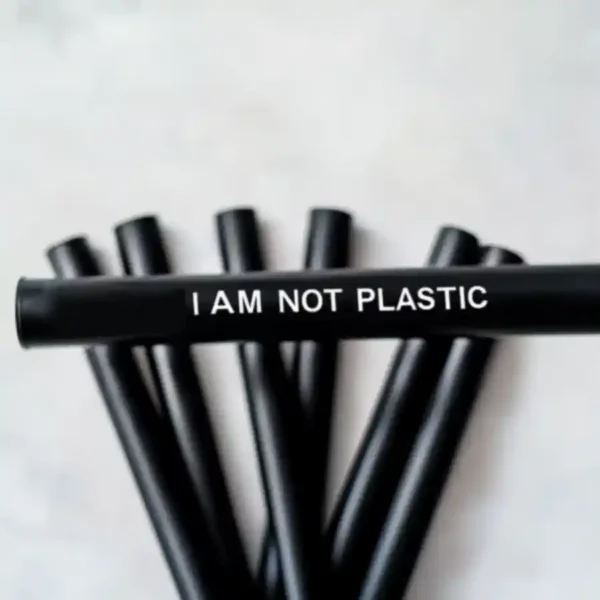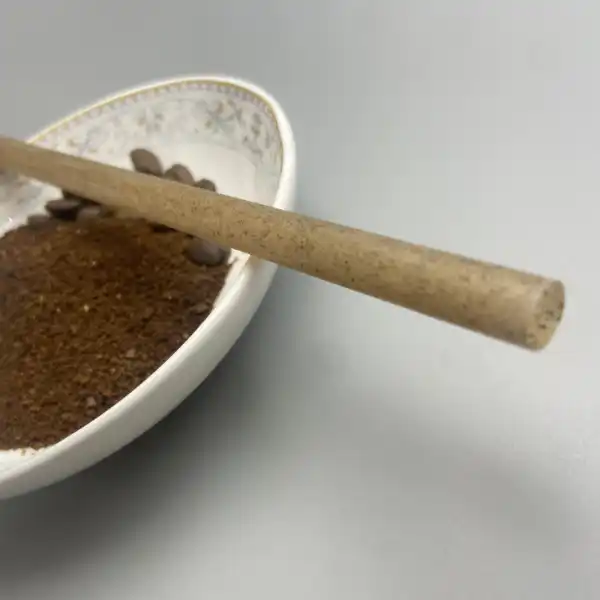
پائیدار B2B حل: ماحولیاتی ضابطوں کی تعمیل کرنا

کوپن ہیگن میں ایک ہلچل مچانے والے ہوٹل کے کچن میں، پروکیورمنٹ کے سربراہ کو بحران کا سامنا تھا۔ نئے مقامی ضوابط نے صرف ایک بار استعمال ہونے والے پلاسٹک پر پابندی لگا دی تھی، جس کی تعمیل کرنے یا بھاری جرمانے کا سامنا کرنے کے لیے کاروبار کو صرف تین ماہ کا وقت دیا گیا تھا۔ یہ منظر نامہ عالمی سطح پر چل رہا ہے کیونکہ پلاسٹک پر پابندی تمام ممالک، ریاستوں اور میونسپلٹیوں میں پھیل گئی ہے، جس سے کاروباروں کو اپنی سپلائی چینز کو تیزی سے ڈھالنے پر مجبور کیا جا رہا ہے۔
فوڈ سروس کے اداروں کے لیے، منتقلی خاص طور پر مشکل ہو سکتی ہے۔ ہر اسٹرا، ٹیک آؤٹ کنٹینر، اور برتن کو اچانک دوبارہ سوچنے، دوبارہ ڈیزائن کرنے اور دوبارہ سورسنگ کی ضرورت ہوتی ہے۔ پی ڈبلیو سی کنزیومر انٹیلی جنس سیریز کے ایک حالیہ سروے کے مطابق، فوری ضرورت صارفین کی توقعات سے بڑھ گئی ہے — عالمی صارفین کے 86% سے توقع ہے کہ کمپنیاں ماحولیاتی اور سماجی مسائل کو حل کریں گی۔
قدرتی وسائل کا پائیدار استعمال صرف ایک رجحان یا عارضی تعمیل کا پیمانہ نہیں ہے — یہ کاروبار کا نیا معیار بنتا جا رہا ہے۔ ہوٹلوں، ریستورانوں اور کیفے کے لیے پائیدار پیکیجنگ کو قبول کرنے والی کمپنیاں یہ دریافت کر رہی ہیں کہ ماحول کی تعمیل صرف لاگت کے مرکز کے بجائے مسابقتی فائدہ ہو سکتی ہے۔
"ہم نے ابتدائی طور پر پلاسٹک کی پابندی کو اپنے آپریشنز کے لیے ایک چیلنج کے طور پر دیکھا،" ماریا سانتوس، ایک عالمی ہوٹل چین کی آپریشنز ڈائریکٹر بتاتی ہیں۔ "لیکن B2B کمپوسٹ ایبل فوڈ کنٹینرز کی پیشکش کرنے والے سپلائرز کے ساتھ شراکت کرکے، ہم نے ریگولیٹری تقاضوں کو پورا کرتے ہوئے اپنی برانڈ امیج کو حقیقت میں بہتر کیا ہے۔"
گنے کے پائیدار حل دریافت کریں جو آپ کے کاربن فوٹ پرنٹ کو کم کرتے ہیں۔ اپنے کاروبار کو مسابقتی اور موافق رکھتے ہوئے کلید ایسے سپلائرز کو تلاش کرنے میں مضمر ہے جو پائیداری کی ضروریات اور کاروباری ضروریات دونوں کو سمجھتے ہیں — ایسی کمپنیاں جو کارکردگی یا جمالیات پر سمجھوتہ کیے بغیر لاگت سے موثر بایوڈیگریڈیبل پیکیجنگ فراہم کر سکتی ہیں۔
جیسے جیسے عالمی سطح پر ضابطے سخت ہوتے ہیں، کاروباری اداروں کو ایسے شراکت داروں کی ضرورت ہوتی ہے جو سرٹیفیکیشنز، میٹریل سائنس اور سپلائی چین لاجسٹکس کے پیچیدہ منظر نامے پر تشریف لے جائیں۔ اس جگہ میں سب سے کامیاب B2B تعلقات عملی کاروباری حل کے ساتھ ماحولیاتی مہارت کو یکجا کرتے ہیں۔
آئیے دریافت کریں کہ آپ کے کاروبار کس طرح نہ صرف ان ضوابط کی تعمیل کر سکتے ہیں بلکہ پائیدار وسائل کے حل کو اسٹریٹجک اپنانے کے ذریعے ان کے اندر ترقی کر سکتے ہیں۔
ریگولیٹری تعمیل: قدرتی وسائل کے پائیدار استعمال کے لیے سرٹیفیکیشن

جب ماحول دوست ڈسپوزایبل ہول سیل خریداری کی بات آتی ہے، تو سرٹیفیکیشن گرین واشنگ اور ریگولیٹری خلاف ورزیوں کے خلاف آپ کا تحفظ ہے۔ یورپی بائیوپلاسٹکس ایسوسی ایشن کے مطابق، وہ کاروبار جو اپنے ماحولیاتی دعوؤں کی درست طریقے سے تصدیق کرنے میں ناکام رہتے ہیں، انہیں سبز دعووں کی مضبوط ہدایات کے تحت فی خلاف ورزی پر اوسطاً €50,000 جرمانے کا سامنا کرنا پڑتا ہے۔
گھریلو کمپوسٹ ایبلٹی آج کے ریگولیٹری ماحول میں ایک اہم امتیاز ہے۔ صنعتی کمپوسٹنگ کے برعکس، جس کے لیے خصوصی سہولیات کی ضرورت ہوتی ہے، گھریلو کمپوسٹ ایبل مصنوعات قدرتی حالات میں گھر کے پچھواڑے کے کمپوسٹ ڈبوں میں ٹوٹ جاتی ہیں۔ یہ فرق فرانس، اٹلی اور آسٹریلیا کے کچھ حصوں میں تعمیل کے لیے بہت اہمیت رکھتا ہے جہاں گھریلو کمپوسٹ ایبلٹی خاص طور پر لازمی ہے۔
اپنی پائیدار کاروباری حکمت عملی میں کمپوسٹ ایبل اسٹرا میٹریل کے فوائد دریافت کریں۔ ریگولیٹری منحنی خطوط سے آگے رہنا۔ تلاش کرنے کے لئے سب سے اہم سرٹیفیکیشن میں شامل ہیں:
1. **TÜV ہوم کمپوسٹ سرٹیفیکیشن**: اس بات کی تصدیق کرتا ہے کہ ہوم کمپوسٹنگ کے حالات میں مصنوعات ٹوٹ جائیں گی۔
2. **FDA فوڈ کانٹیکٹ اپروول**: امریکی مارکیٹ میں کسی بھی فوڈ سروس آئٹمز کے لیے ضروری ہے۔
3. **LFGB سرٹیفیکیشن**: جرمن فوڈ سیفٹی کا معیار، جو اکثر FDA کی ضروریات سے زیادہ سخت سمجھا جاتا ہے
4. **BPI سرٹیفیکیشن**: شمالی امریکہ میں صنعتی کمپوسٹ ایبلٹی کی تعمیل کے لیے
“Certification isn’t just paperwork—it’s protection,” notes environmental compliance attorney Jean Weber. “When jurisdictions implement plastic bans with short compliance windows, properly certified alternatives immediately become compliant substitutes, preventing busines disruptions.”
The ایف ڈی اے has specific guidelines for food-contact materials claiming to be sustainable, focusing on both safety and material integrity. Understanding these requirements is essential for any busines sourcing eco-friendly disposables for food service.
For global businesses, managing the patchwork of regulations requires partners who maintain comprehensive certification portfolios and stay ahead of regulatory trends. This foresight allows businesses to make long-term sustainable resource decisions rather than scrambling to comply with each new regulation.
قدرتی وسائل کا پائیدار استعمال دوسرے ماحولیاتی متبادلات سے کیسے موازنہ کرتا ہے۔

When evaluating sustainable resource solutions for cafes, restaurants, or hotels, it’s important to understand how different eco-materials stack up against each other. According to the یو این ای پی, businesses switching to properly vetted plant-based alternatives can reduce their packaging carbon footprint by up to 80% compared to conventional plastics.
Learn about innovative IoT straw dispensers compatible with eco-materials to optimize your sustainability investment through reduced waste and controlled usage.
Let’s compare common eco-alternatives:
| مواد | کھادیت | Water Resistance | گرمی کی مزاحمت | Cost Factor | Regulatory Acceptance |
|---|---|---|---|---|---|
| ———- | —————- | ——————— | —————– | ————- | ———————— |
| Sugarcane Bagasse | ہوم کمپوسٹ ایبل | عمدہ | Up to 220°F | میڈیم | High – widely accepted |
| پی ایل اے (کارن پر مبنی) | صرف صنعتی | اچھا | Low (105°F max) | کم درمیانے درجے کے | Medium – some bans emerging |
| Paper (Coated) | Varies by coating | Poor to Medium | میڈیم | کم | Medium – coating concerns |
| بانس | ہوم کمپوسٹ ایبل | میڈیم | اعلی | درمیانے درجے کی اونچی | High – widely accepted |
| گندم کا تنکا | ہوم کمپوسٹ ایبل | اچھا | درمیانے درجے کی اونچی | میڈیم | High – agricultural byproduct |
For B2B buyers evaluating sustainable packaging options, material performance in real-world conditions is crucial. A major hotel chain recently conducted trials of various eco-friendly materials and found that sugarcane bagasse products maintained structural integrity for hot foods and liquids significantly longer than other alternatives.
“The real test isn’t just whether a product is technically eco-friendly,” explains Jamie Chen, sustainability director for a global restaurant group. “It’s whether it performs reliably in busy service environments while also meeting environmental standards.”
Businesses investing in sustainable alternatives should consider the full lifecycle of products—from raw material sourcing to end-of-life disposal options available to their customers. This holistic approach ensures compliance isn’t just on paper but practical in implementation.
قدرتی وسائل کے پائیدار استعمال پر سوئچ کرنے کے سرفہرست کاروباری فوائد

Beyond compliance, sustainable packaging solutions deliver tangible busines benefits. A 2023 McKinsey study revealed that 78% of businesses implementing comprehensive sustainable packaging programs reported positive ROI within 18 months—a figure that contradicts the persistent myth that going green necessarily hurts the bottom line.
Explore B2B sustainable resource solutions that enhance your brand while meeting regulations to capitalize on the growing consumer preference for environmentally responsible businesses.
The most significant benefits include:
**Enhanced Brand Perception and Loyalty**
Transitioning to compostable food containers creates visible evidence of your sustainability commitment. For hospitality businesses in particular, sustainable packaging creates daily touchpoints that reinforce environmental values. One boutique hotel chain reported a 23% increase in positive social media mentions after switching to fully sustainable serviceware.
**Cost Stabilization Against Plastic Taxes**
As more jurisdictions implement plastic taxes and fees, businesses using traditional plastics face escalating and unpredictable costs. Sustainable alternatives may have slightly higher upfront costs but provide protection against these regulatory cost increases. In Ireland, businesses using conventional plastics saw packaging costs increase by 32% over two years due to new levies, while those using compostables maintained stable pricing.
**Supply Chain Resilience**
Diversifying into plant-based materials reduces dependency on petroleum-based supply chains. During recent oil market volatility, businesses with sustainable packaging contracts experienced 67% les price fluctuation than those relying on conventional plastics.
**Marketing Differentiation**
Discover how sugarcane straws can be part of your sustainable B2B strategy to create marketing differentiation that resonates with eco-conscious consumers. The ability to promote specific environmental benefits (like home compostability) creates marketable differentiators in competitive sectors.
**Operational Efficiency Through Simplification**
By standardizing on truly sustainable materials, businesses can simplify waste streams and staff training. A café chain in Seattle reported 15% reduction in waste handling time after switching to a uniform compostable system that eliminated sorting confusion.
For B2B buyers evaluating cost-effective biodegradable packaging options, the calculus goes beyond unit price. The most sophisticated analysis includes regulatory compliance costs, waste management savings, and brand value enhancement.
ماحولیاتی اثرات: قدرتی وسائل کا پائیدار استعمال کیوں جیتتا ہے۔

The environmental case for sustainable materials extends far beyond simply not being plastic. According to the Ellen MacArthur Foundation, switching to properly certified compostable food packaging can reduce related greenhouse gas emissions by up to 62% when compared to conventional plastics.
Browse eco-friendly cocktail straws for drinks in B2B bulk solutions to make an immediate environmental impact in your beverage service. Materials like sugarcane bagasse represent a circular economy approach to resource use:
1. **Carbon Sequestration**: Plants absorb carbon during growth, offsetting some emissions
2. **Agricultural Byproduct Utilization**: Many sustainable materials use waste from existing agricultural processes
3. **Reduced Extraction Impact**: No petroleum drilling or extraction required
4. **End-of-Life Benefits**: Home compostable materials return nutrients to soil rather than persisting in the environment
5. **Water System Protection**: Reduces microplastic pollution in waterways and oceans
“The most progressive businesses are looking beyond the direct ‘plastic vs. alternative’ comparison,” notes environmental scientist Dr. Amara Singh. “They’re evaluating full lifecycle impacts, including water use, carbon emissions, and end-of-life scenarios.”
For businesses building comprehensive environmental strategies, packaging represents a highly visible component that can align with broader sustainability goals. The hotel group Accor, for instance, found that sustainable food packaging contributed 18% toward their overall carbon reduction targets while representing only 7% of their sustainability budget—making it one of their most efficient environmental investments.
کیس اسٹڈی: قدرتی وسائل کا پائیدار استعمال عمل میں کامیابی
When the Costa del Sol Hospitality Group faced Spain’s sweeping single-use plastic ban in 2023, they partnered with a sustainable packaging supplier to transform constraint into opportunity. With 22 properties acros southern Spain, the company needed a unified approach that would maintain brand standards while meeting strict new regulations.
Explore default sustainable B2B solutions for hospitality businesses similar to those implemented in this case study. The group implemented a three-phase strategy:
**Phase 1: Compliance Assessment**
A comprehensive audit identified 27 different single-use plastic items requiring replacement, from straws to amenity packaging. The regulatory deadline gave them only five months to complete the transition.
**Phase 2: Vendor Selection and Testing**
After evaluating eight suppliers, they selected a partner offering FDA and LFGB certified compostable alternatives with proven performance in hospitality settings. Critical testing revealed that not all “eco-friendly” options performed equally—heat resistance and durability varied significantly among samples.
**Phase 3: Implementation and Communication**
The rollout included staff training on both the practical aspects of the new products and the environmental messaging for guests. Digital and in-room materials highlighted the sustainability benefits.
** نتائج: **
- 96% reduction in single-use plastic waste within six months
- €32,000 in avoided plastic tax penalties
- 12.7% increase in guest satisfaction scores on “environmental responsibility”
- 8% decrease in overall waste management costs due to simplified waste streams
“The most surprising outcome wasn’t the compliance or even the waste reduction,” explains Elena Fuentes, Sustainability Director. “It was discovering that guests actively preferred the texture and appearance of the plant-based alternatives. What began as a regulatory requirement became a genuine enhancement to our guest experience.”
The group has since expanded their sustainability initiatives, using their successful packaging transition as a model for other operational changes.
اکثر پوچھے گئے سوالات
- How do home compostable materials differ from biodegradable or conventional compostable options?
- Home compostable materials break down completely in backyard compost conditions (lower temperatures, variable moisture) within 180 days, leaving no toxic residue. Biodegradable items may break into smaller pieces but not fully decompose, while conventional compostable materials require industrial facilities with high heat (140°F+) and controlled conditions. For businesses, home compostable options provide the highest level of environmental benefit and compliance with the strictest regulations.
- What certifications should we look for when sourcing sustainable packaging for hotels?
- Priority certifications include TÜV HOME Compost Certification for true home compostability, FDA approval for food contact safety in the US market, and LFGB certification for European compliance. For specific applications like hot foods or liquids, look for heat resistance certifications. Request certification documentation directly from suppliers rather than relying on marketing claims alone.
- How can we verify that eco-friendly disposables wholesale options are genuinely sustainable?
- Request detailed material composition information, third-party certification documentation, and lifecycle assessment data. Genuine sustainable suppliers welcome transparency questions and provide detailed information about raw material sourcing, manufacturing processes, and end-of-life scenarios. Beware of vague terms like “eco-friendly” without specific certifications to back these claims.
- What is the typical price difference between conventional and sustainable packaging?
- Sustainable options typically cost 15-30% more than conventional plastic equivalents on a per-unit basis. However, this gap narrows when considering total cost of ownership, including compliance costs, waste management savings, and marketing benefits. Many businesses find the premium decreases significantly with volume pricing and as economies of scale improve in the sustainable materials market.
- Can customized branding be applied to B2B compostable food containers?
- Yes, most sustainable packaging can be customized with logos, brand colors, and messaging. Modern printing technologies use compostable inks that don’t affect the environmental benefits of the base materials. Custom orders typically require minimum volumes (usually 10,000+ units) and slightly longer lead times (4-6 weeks versus 1-2 weeks for standard items).
- How should we dispose of sustainable packaging materials in our busines operations?
- Create clearly labeled collection points for compostable items, separate from recycling and trash streams. For home compostable materials, explore partnerships with local composting services or community gardens if on-site composting isn’t feasible. Train staff on proper identification and handling, as mixing streams can contaminate both compost and recycling.
- What are the storage requirements for sustainable packaging products?
- Store plant-based materials in cool, dry environments away from direct sunlight. Most sustainable packaging has a shelf life of 12-18 months when properly stored. Avoid extreme temperature fluctuations, which can affect material integrity. Unlike conventional plastics, some plant-based materials may be more susceptible to humidity, so climate-controlled storage is ideal for tropical locations.