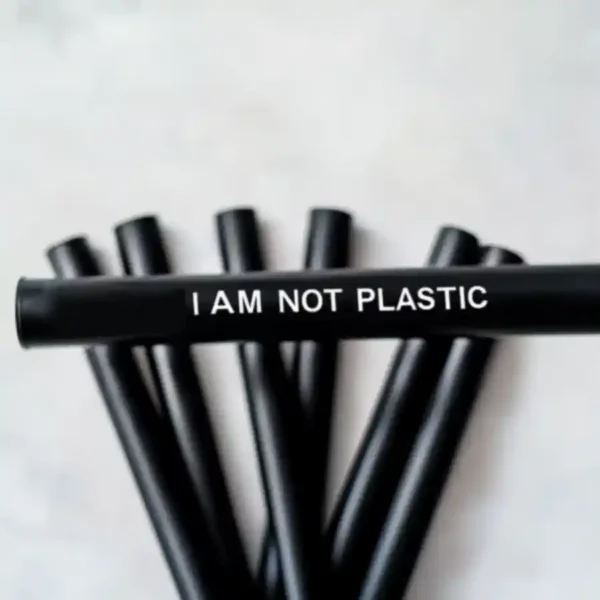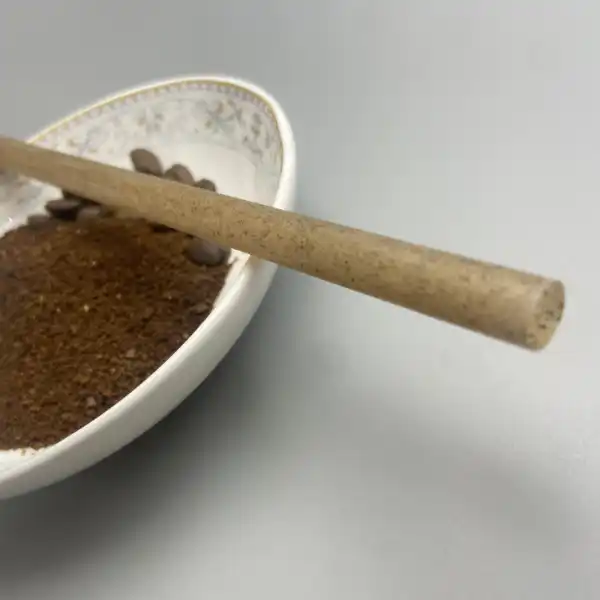

ماحولیاتی خدشات کو بڑھاوا دینے کے باوجود ، دنیا نے پلاسٹک کے بوبا اسٹرا کو نشانہ بنانے والے ضوابط میں اضافہ دیکھا ہے ، جو پلاسٹک آلودگی کے بحران میں ایک اہم معاون ہے۔ اس بلاگ پوسٹ کا مقصد موجودہ صورتحال ، سرکاری قواعد و ضوابط ، اور تعمیل ، استحکام اور مستقبل کے رجحانات کے لحاظ سے کاروبار کے لئے ان کے مضمرات پر روشنی ڈالنا ہے۔
تعارف

پلاسٹک آلودگی کا موجودہ منظر
پلاسٹک کی آلودگی ایک ماحولیاتی مسئلہ ہے ، جس میں واحد استعمال والے پلاسٹک شامل ہیں جن میں پلاسٹک بوبا اسٹرا شامل ہیں جس کی وجہ سے اہم ماحولیاتی نقصان ہوتا ہے۔ امریکہ میں ، 500 ملین پلاسٹک کے تنکے روزانہ ضائع کردیئے جاتے ہیں ، جو سمندری آلودگی [1] [5] میں بڑے پیمانے پر اہم کردار ادا کرتے ہیں۔ یہ تنکے اکثر لینڈ فلز یا سمندروں میں ختم ہوجاتے ہیں ، جس سے سمندری زندگی کے لئے سنگین خطرہ ہوتا ہے۔
پلاسٹک بوبا اسٹرا پر سرکاری قواعد و ضوابط
عالمی حکومتوں نے پلاسٹک بوبا تنکے کے استعمال کو کم کرنے کے لئے ضوابط کو نافذ کیا ہے۔ مثال کے طور پر ، برطانیہ نے جولائی 2021 سے کچھ چھوٹ کے ساتھ پلاسٹک کے تنکے کی تقسیم پر پابندی عائد کردی ہے [4]۔
کاروباری اداروں کی تعمیل اور استحکام

ان قواعد و ضوابط کی تعمیل نہ صرف قانونی ضرورت ہے بلکہ کاروباری ضرورت ہے۔ B2B خریداروں اور استحکام پر مبنی کاروباری اداروں کو اپنی ساکھ اور مارکیٹ کی پوزیشن کو برقرار رکھنے کے لئے ان تبدیلیوں کے مطابق ڈھال لینا چاہئے۔
پس منظر
پلاسٹک کے بھوسے کے ضوابط کی تاریخ
گذشتہ برسوں میں پلاسٹک کے تنکے کے خلاف قواعد و ضوابط میں اضافہ ہوا ہے۔ امریکہ میں ، دسمبر 2020 میں منظور کردہ سیو ہمارے سمندر 2.0 ایکٹ نے ای پی اے کو ہدایت کی کہ پلاسٹک کی آلودگی کو دور کرنے کے لئے قومی حکمت عملی تیار کریں ، جس میں پلاسٹک کے تنکے کے استعمال کو کم کرنا بھی شامل ہے [3]۔
پلاسٹک بوبا تنکے کا مسئلہ

فوڈ اینڈ مشروبات کی صنعت میں ان کے وسیع استعمال کی وجہ سے پلاسٹک بوبا اسٹرا ، مائکروپلاسٹک آلودگی میں نمایاں کردار ادا کرتے ہیں۔ ان تنکے کی عدم بائیوڈیگریڈیبلٹی کا مطلب ہے کہ وہ سیکڑوں سالوں سے ماحول میں تاخیر کا شکار رہتے ہیں ، اور نقصان دہ مائکروپلاسٹکس کو جاری کرتے ہیں جب وہ انحطاط کرتے ہیں۔
Current Government Regulations on Plastic Boba Straws
Governments across the world have implemented regulations to curb the use of plastic boba straws. These regulations are pushing businesses, particularly those in the food and beverage industry, to adopt sustainable alternatives. Below is an overview of key regulations in several countries:
European Union (EU)
In 2021, the European Union enforced the Single-Use Plastics Directive (SUPD), which prohibits the use of single-use plastic straws, whether they are labeled as “bio-sourced” or “home compostable.” This ban applies to all EU member states and aims to reduce plastic waste and its environmental impact.
United Kingdom (UK)
Since جولائی 2021, the UK has implemented a ban on the distribution of plastic straws. Businesses are prohibited from selling plastic straws as a standard offering and must instead provide alternatives such as paper or bamboo. However, there are exemptions:
- Plastic straws may be kept out of sight and provided only upon customer request.
- Businesses cannot offer plastic straws verbally or in writing.
Australia (New South Wales)
Starting یکم جنوری ، 2025, businesses in New South Wales will no longer be allowed to include banned plastic items in packaged food and drinks. This includes plastic straws sealed within packaging or attached to beverage containers via machine automation.
Implications for Businesses
Compliance Requirements
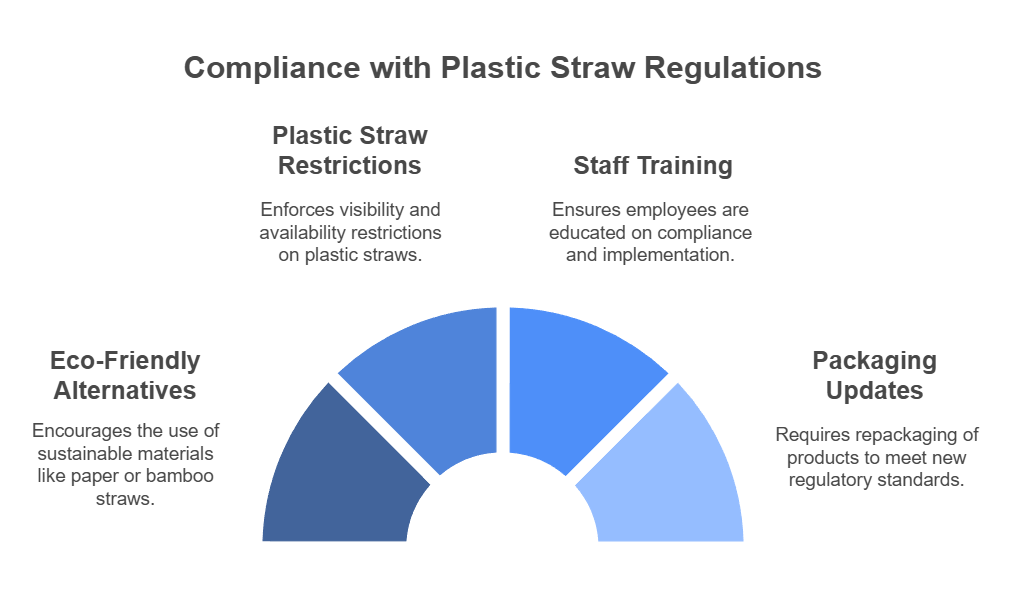
To comply with these regulations, businesses must make adjustments to their operations:
- Offer Alternatives: Businesses must provide eco-friendly alternatives such as paper or bamboo straws.
- Plastic Straw Restrictions: Where permitted, businesses must keep plastic straws out of sight and offer them only upon request.
- عملے کی تربیت: Businesses need to ensure that employees are informed about the new regulations and understand how to implement them.
- Packaging Updates: Products with integrated straws must be repackaged to comply with the new regulations.
Sustainability Challenges
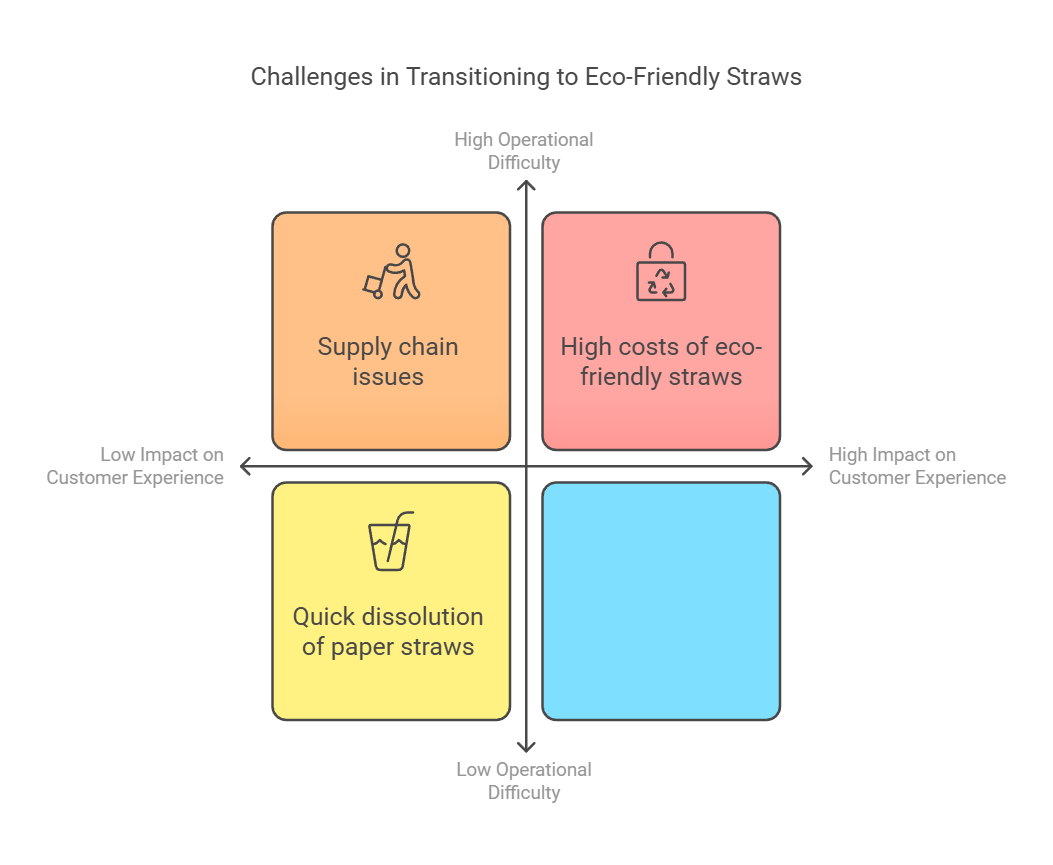
While transitioning away from plastic straws, businesses face several challenges:
- Quality of Alternatives: Many paper straws dissolve quickly in liquids, potentially affecting the customer experience, especially in beverages like bubble tea.
- زیادہ اخراجات: Eco-friendly alternatives often come with a higher price point compared to plastic straws.
- Supply Chain Issues: Businesses must source reliable suppliers for sustainable straws, which can sometimes be challenging and costly.

Future Trends
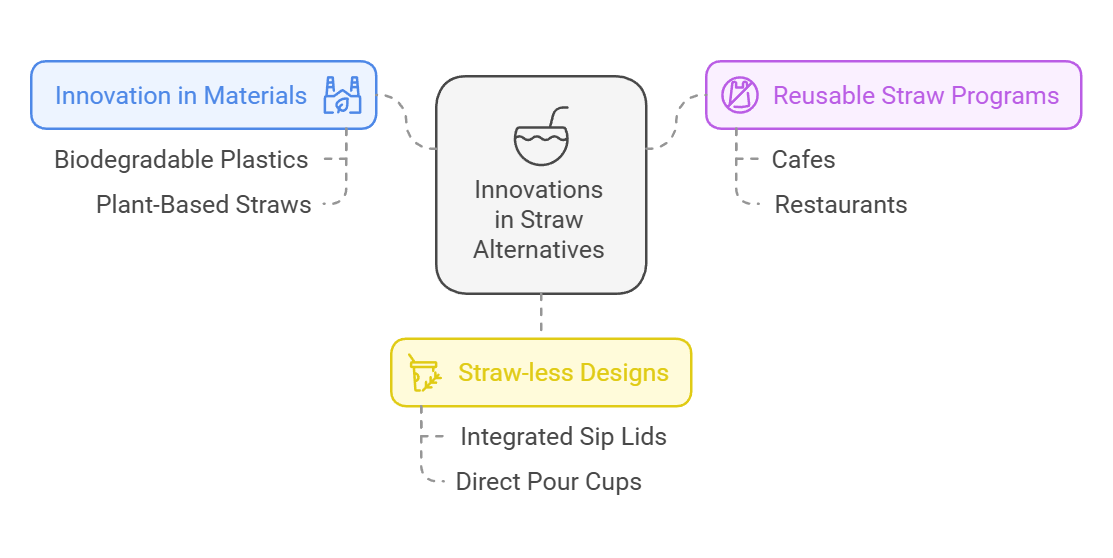
As the market adapts to these regulations, businesses are looking towards innovations that can address both environmental concerns and customer needs:
- Innovation in Materials: New, more durable, and eco-friendly materials are being developed to replace plastic straws.
- Reusable Straw Programs: Cafes and restaurants are introducing reusable straw programs to further reduce waste and enhance sustainability.
- Straw-less Designs: Some businesses are exploring cup designs that eliminate the need for straws altogether, further contributing to sustainability efforts.
نتیجہ
The shift towards banning plastic straws is not just a regulatory requirement but a business opportunity. By staying informed about government regulations and adopting sustainable practices, businesses, especially in the bubble tea industry, can avoid penalties, enhance their brand image, and attract environmentally conscious customers. Embracing eco-friendly alternatives can improve sustainability efforts, reduce costs, and ultimately build customer loyalty.
حوالہ جات:
- Taipec – Plastic Straws: What Are the Rules Bubble Tea Shop Owners Should Know?
- Drinking Straw – What is Bio-Sourced Bioplastic Straw?
- EPA – New South Wales Plastics Ban Guidance
- Drinking Straw – Which Alternatives to Plastic Straws?
- Renouvo – Plastic Straws Ban in the US and Europe
- Instagram – Advancing Justice