آج کی کاروباری دنیا میں، ماحولیاتی، سماجی، اور گورننس (ESG) عوامل پہلے سے کہیں زیادہ اہم ہیں. چونکہ اسٹیک ہولڈرز زیادہ سے زیادہ احتساب کا مطالبہ کرتے ہیں، کمپنیاں اپنے ماحولیاتی اثرات، سماجی ذمہ داری، اور حکمرانی کے طریقوں کے لحاظ سے تیزی سے اعلیٰ معیارات پر فائز ہو رہی ہیں۔ یہ بلاگ پوسٹ ESG، اس کے اجزاء، عملی نفاذ، اور طویل مدتی کاروباری کامیابی پر اس کے اثرات کو تلاش کرے گی۔

ESG کیا ہے؟
ESG کے لئے کھڑا ہے ماحولیاتی، سماجی، اور گورننس، کمپنی کی پائیداری اور اخلاقی اثرات کا جائزہ لینے کے لیے استعمال ہونے والے تین اہم عوامل۔ ESG کو اہمیت حاصل ہوئی ہے کیونکہ سرمایہ کاروں، صارفین اور دیگر اسٹیک ہولڈرز کا مطالبہ ہے کہ کاروبار صرف منافع سے زیادہ پر غور کریں — انہیں اپنے ماحولیاتی اثرات پر بھی غور کرنا چاہیے، وہ ملازمین اور کمیونٹیز کے ساتھ کیسا سلوک کرتے ہیں، اور ان پر کس طرح حکومت کی جاتی ہے۔
ESG کی اصل
ESG میں اس کی جڑیں ہیں۔ سماجی طور پر ذمہ دار سرمایہ کاری (SRI)، جو 1960 کی دہائی کا ہے۔ کئی دہائیوں کے دوران، ماحولیاتی اور سماجی خدشات پر توجہ بڑھی، جس کے نتیجے میں 2000 کی دہائی کے اوائل میں ESG کو ایک فریم ورک کے طور پر باقاعدہ بنایا گیا۔ ESG اب ایک وسیع پیمانے پر تسلیم شدہ نقطہ نظر ہے جو سرمایہ کاری اور کاروباری حکمت عملی دونوں کو متاثر کرتا ہے۔
ESG کیوں اہمیت رکھتا ہے۔
ESG پریکٹسز ضروری ہیں کیونکہ یہ کاروباروں کو طویل مدتی خطرات سے نمٹنے، پائیداری کو بہتر بنانے اور صارفین اور سرمایہ کاروں کی بڑھتی ہوئی مانگوں کو پورا کرنے کے لیے ایک جامع فریم ورک فراہم کرتے ہیں۔ وہ کمپنیاں جو ESG کے مضبوط طریقوں کو اپناتی ہیں ان کے تیزی سے ایماندار مارکیٹ میں ترقی کی منازل طے کرنے کا زیادہ امکان ہوتا ہے۔
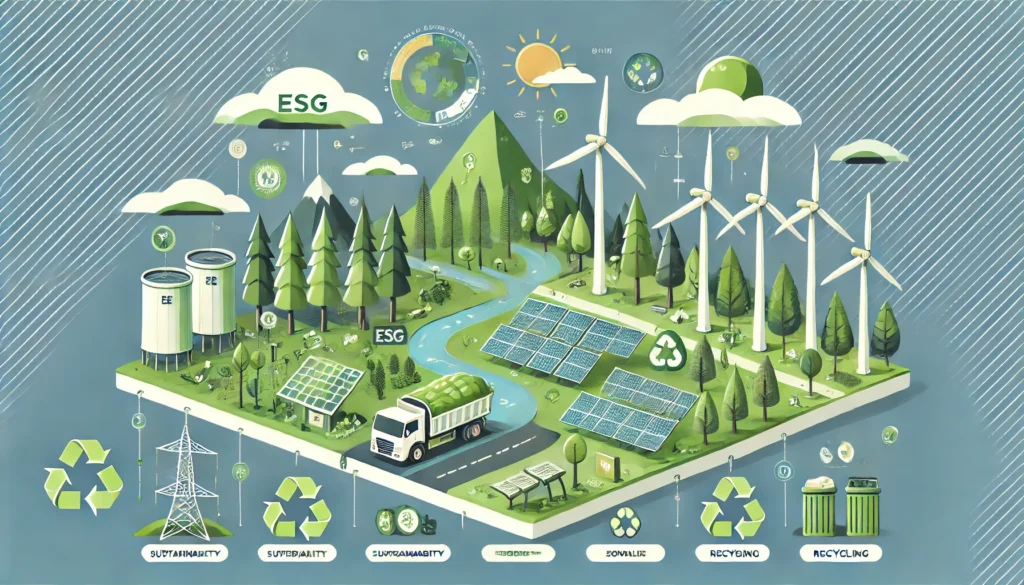
ای ایس جی اجزاء
ESG کو تین اہم اجزاء میں تقسیم کیا گیا ہے: ماحولیاتی، سماجی، اور گورننس. ان میں سے ہر ایک شعبہ کمپنی کے مجموعی اثر اور ذمہ داری کا اندازہ لگانے میں اہم کردار ادا کرتا ہے۔
ماحولیاتی (E)
The ماحولیاتی ESG کا جزو اس بات پر مرکوز ہے کہ کمپنی کس طرح قدرتی دنیا پر اثر انداز ہوتی ہے۔ کلیدی عوامل میں شامل ہیں:
- کاربن فوٹ پرنٹ: کمپنیوں کا اندازہ ان کی گرین ہاؤس گیسوں کے اخراج اور انہیں کم کرنے کی کوششوں کی بنیاد پر لگایا جاتا ہے۔
- توانائی کی کارکردگی اور قابل تجدید وسائل: ایک کمپنی توانائی کا استعمال کتنی مؤثر طریقے سے کرتی ہے اور کیا وہ قابل تجدید توانائی کے ذرائع کو اپناتی ہے۔
- ویسٹ مینجمنٹ: فضلہ کو کم سے کم کرنے کے لیے کمپنی کی کوششیں، خاص طور پر خطرناک یا ناقابل ری سائیکل فضلہ۔
- حیاتیاتی تنوع کا تحفظ: ماحولیاتی نظام کے تحفظ اور جنگلی حیات کی رہائش گاہوں کی حفاظت کے لیے اقدامات۔
ماحولیاتی کارکردگی کو بہتر بنانے سے کمپنیوں کو لاگت کم کرنے، خطرات کو کم کرنے اور ان کی پائیداری کی اسناد کو بڑھانے کے ساتھ ساتھ ریگولیٹری تقاضوں کو پورا کرنے میں مدد ملتی ہے۔
سماجی (S)
The سماجی جزو اس بات کا جائزہ لیتا ہے کہ کمپنیاں کس طرح لوگوں کے ساتھ اپنے تعلقات کا نظم کرتی ہیں، بشمول ملازمین، صارفین اور کمیونٹیز۔ کلیدی تحفظات میں شامل ہیں:
- ملازم کا علاج: مزدوری کے منصفانہ طریقے، صحت اور حفاظت کے معیارات، اور ملازمین کا اطمینان۔
- تنوع اور شمولیت: متنوع افرادی قوت کو فروغ دینے اور مساوی مواقع کو فروغ دینے کی کوشش۔
- لیبر رائٹس اور انسانی حقوق: سپلائی چین میں منصفانہ اجرت، کام کے محفوظ حالات، اور انسانی حقوق کے احترام کو یقینی بنانا۔
- کمیونٹی مصروفیت: کمپنیاں کس طرح مقامی کمیونٹیز کی مدد کرتی ہیں اور سماجی بہبود میں اپنا حصہ ڈالتی ہیں۔
ایک مضبوط سماجی پالیسی ملازمین اور صارفین کے درمیان وفاداری کو فروغ دیتی ہے اور کمپنی کی ساکھ کو بڑھاتی ہے۔

گورننس (G)
The گورننس جزو اس بات کا اندازہ لگاتا ہے کہ کمپنی کس طرح چلتی ہے اور آیا یہ اخلاقی اور شفاف طریقے سے کام کرتی ہے۔ کلیدی علاقوں میں شامل ہیں:
- بورڈ تنوع اور ساخت: متنوع بورڈ مختلف نقطہ نظر لاتے ہیں، جو فیصلہ سازی اور کمپنی کی کارکردگی کو بڑھا سکتے ہیں۔
- ایگزیکٹو معاوضہ: اس بات کو یقینی بنانا کہ ایگزیکٹو تنخواہ کمپنی اور اس کے اسٹیک ہولڈرز کی طویل مدتی کامیابی سے ہم آہنگ ہو۔
- شیئر ہولڈر کے حقوق: شیئر ہولڈر کے مفادات کا تحفظ اور فیصلہ سازی کے عمل میں شفافیت کو یقینی بنانا۔
- اخلاقی کاروباری طرز عمل: مضبوط انسداد بدعنوانی پالیسیاں، مالیاتی رپورٹنگ میں شفافیت، اور اخلاقی معیارات کی پابندی۔
موثر گورننس اس بات کو یقینی بناتی ہے کہ کمپنیاں ذمہ داری کے ساتھ اور دیانتداری کے ساتھ چلائی جائیں، جو سرمایہ کاروں اور اسٹیک ہولڈرز کے ساتھ اعتماد پیدا کرتی ہے۔
کاروباری کامیابی کے لیے ESG کیوں اہم ہے۔
ESG صرف اخلاقی ذمہ داری کا معاملہ نہیں ہے - یہ طویل مدتی کاروباری کامیابی کا ایک اہم محرک ہے۔ وہ کمپنیاں جو ESG عوامل میں اچھی کارکردگی کا مظاہرہ کرتی ہیں ان کا امکان زیادہ ہوتا ہے:
سرمایہ کار فوکس
سماجی طور پر ذمہ دار سرمایہ کار اپنے سرمایہ کاری کے فیصلوں کی رہنمائی کے لیے تیزی سے ESG معیار کا استعمال کرتے ہیں۔ سرمایہ کار اس بات سے واقف ہیں کہ مضبوط ESG طریقوں والی کمپنیاں ماحولیاتی تحفظات اور سماجی شعور کی بڑھتی ہوئی دنیا میں پھلنے پھولنے کے لیے بہتر پوزیشن میں ہیں۔
رسک مینجمنٹ
ESG پر توجہ مرکوز کرکے، کمپنیاں موسمیاتی تبدیلی، سماجی بدامنی، اور گورننس کے مسائل سے متعلق ممکنہ خطرات کا انتظام کرسکتی ہیں۔ مضبوط ESG طرز عمل کاروباروں کو مستقبل کے چیلنجوں کے لیے لچک کو بہتر بناتے ہوئے شہرت کو پہنچنے والے نقصان اور قانونی ذمہ داریوں سے بچنے میں مدد کرتے ہیں۔
برانڈ کی وفاداری اور کسٹمر کی توقعات
صارفین ان کمپنیوں سے مصنوعات اور خدمات خریدنے میں تیزی سے دلچسپی لے رہے ہیں جو ان کی اقدار کے مطابق ہوں۔ مضبوط ESG طرز عمل برانڈ کی زیادہ وفاداری کا باعث بنتے ہیں، کیونکہ گاہک اخلاقی کمپنیوں کی تعریف کرتے ہیں جو معاشرے اور ماحول میں مثبت کردار ادا کرتی ہیں۔
طویل مدتی لچک
ESG سے چلنے والے کاروبار طویل مدت کے لیے زیادہ موافقت پذیر اور لچکدار ہوتے ہیں۔ ماحولیاتی، سماجی، اور گورننس کے مسائل کو فعال طور پر حل کرنے سے، کمپنیاں مارکیٹ کی تبدیلیوں اور مستقبل میں ریگولیٹری تبدیلیوں کو نیویگیٹ کرنے کے لیے بہتر طور پر تیار ہیں۔
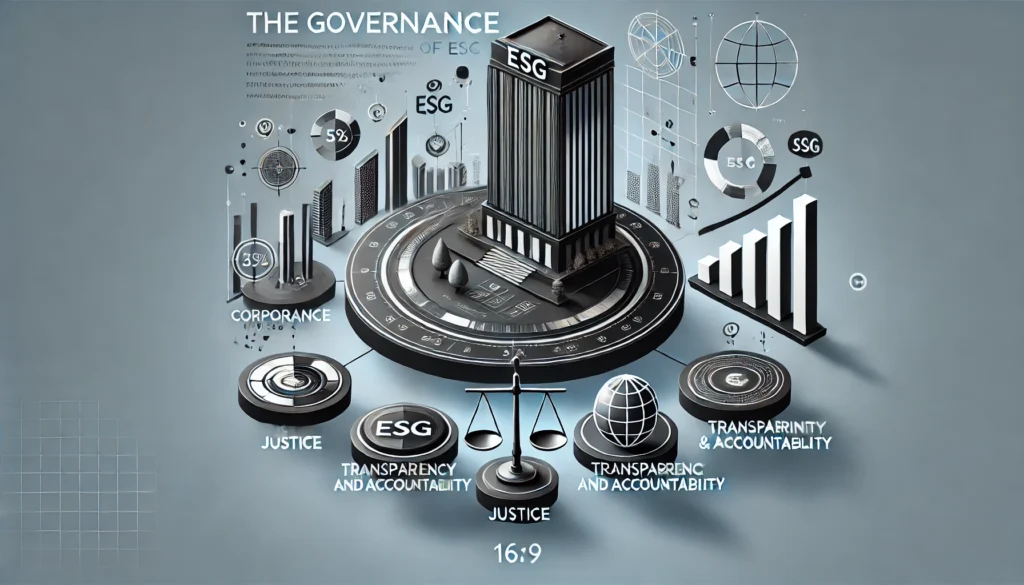
ESG کی درجہ بندی اور رپورٹنگ
کمپنیوں کو ان کی ESG کارکردگی کی بنیاد پر تیزی سے جانچا جا رہا ہے۔ متعدد فریق ثالث ایجنسیاں ESG کی درجہ بندی فراہم کرتی ہیں، جو سرمایہ کاروں کو کمپنی کی پائیداری کی کوششوں اور اخلاقی طریقوں کا اندازہ لگانے میں مدد کرتی ہیں۔ کلیدی درجہ بندی ایجنسیوں میں شامل ہیں:
- RobecoSAM کل پائیداری کا درجہ: عالمی سطح پر کمپنیوں کے لیے پائیداری کی ایک جامع درجہ بندی فراہم کرتا ہے۔
- ISS گورننس کوالٹی اسکور: کارپوریٹ گورننس پر توجہ مرکوز کرتا ہے اور اس بات کا جائزہ لیتا ہے کہ کمپنیاں گورننس کے عوامل کو کس طرح منظم کرتی ہیں۔
- CDP (سابقہ کاربن ڈسکلوزر پروجیکٹ): کمپنی کی ماحولیاتی کارکردگی پر توجہ مرکوز کرتی ہے، خاص طور پر اس کی آب و ہوا سے متعلق خطرات کو منظم کرنے کی کوششوں پر۔
کمپنیاں بھی فراہم کریں گی۔ سالانہ ESG رپورٹس شفافیت اور پائیداری کے لیے اپنی وابستگی کا مظاہرہ کرنے کے لیے۔ یہ رپورٹس اسٹیک ہولڈرز کے لیے تیزی سے اہم ہیں جو کمپنی کی ESG کارکردگی کو سمجھنا چاہتے ہیں۔

کاروبار میں ESG کا نفاذ: ایک قدم بہ قدم گائیڈ
ESG کے طریقوں کو لاگو کرنا بہت زیادہ لگتا ہے، لیکن کاروبار کامیاب انضمام کو یقینی بنانے کے لیے مرحلہ وار طریقہ اختیار کر سکتے ہیں۔
مبادیات کے ساتھ شروع کریں۔
- واضح ESG اہداف طے کریں۔: کاربن کے اخراج، ملازمین کی تنوع، یا کارپوریٹ گورننس جیسے اہم شعبوں کی نشاندہی کریں جہاں آپ کا کاروبار بہتر ہو سکتا ہے۔
- اسٹیک ہولڈرز کو شامل کریں۔: اپنی ESG کوششوں میں ملازمین، صارفین اور سرمایہ کاروں کو شامل کریں۔ کامیابی کے لیے ان کا تعاون اور تعاون ضروری ہے۔
پیمائش کریں اور رپورٹ کریں۔
- ESG ڈیٹا کو ٹریک کریں۔: ESG اہداف کے مقابلے میں اپنی پیشرفت کی پیمائش کرنے کے لیے ESG سافٹ ویئر یا ڈیٹا اکٹھا کرنے والے ٹولز کا استعمال کریں۔
- باقاعدہ رپورٹس شائع کریں۔: شفافیت اور جوابدہی کا مظاہرہ کرتے ہوئے سالانہ رپورٹس کے ذریعے اپنی ESG کی پیشرفت اسٹیک ہولڈرز کے ساتھ شیئر کریں۔
ESG اپنانے میں چیلنجز
ESG کے بہت سے فوائد کے باوجود، کاروبار کو ان طریقوں کو اپناتے وقت کئی چیلنجوں کا سامنا کرنا پڑتا ہے:
ڈیٹا اکٹھا کرنا اور رپورٹنگ
قابل اعتماد اور مستقل ESG ڈیٹا اکٹھا کرنا مشکل ہو سکتا ہے، خاص طور پر پیچیدہ آپریشنز والے کاروباروں کے لیے۔ کارکردگی کو درست طریقے سے ٹریک کرنے کے لیے صحیح ٹولز اور وسائل میں سرمایہ کاری کرنا ضروری ہے۔
تعمیل کی پیچیدگی
مختلف علاقوں میں ESG کے مختلف ضوابط ہیں۔ ای ایس جی کی تعمیل کے بدلتے ہوئے عالمی منظر نامے پر جانا ملٹی نیشنل کمپنیوں کے لیے مشکل ہو سکتا ہے۔
تبدیلی کے خلاف مزاحمت
روایتی صنعتوں میں، نئے ESG طریقوں کو اپنانے میں مزاحمت ہو سکتی ہے۔ اس مزاحمت پر قابو پانے کے لیے قیادت کے عزم اور ملازمین کی خریداری کی ضرورت ہوتی ہے۔

ای ایس جی کا مستقبل
ESG کا مستقبل روشن ہے کیونکہ زیادہ کاروبار ایک پائیدار اور اخلاقی مستقبل کی تشکیل میں اس کی اہمیت کو تسلیم کرتے ہیں۔ اہم رجحانات میں شامل ہیں:
ای ایس جی اور انوویشن
ESG اصولوں کو اپنانے والے کاروبار اکثر اختراع کرنے کے لیے بہتر پوزیشن میں ہوتے ہیں، خاص طور پر جیسے شعبوں میں سبز ٹیکنالوجی، پائیدار مصنوعات کی ترقی، اور توانائی کی بچت کے حل.
ابھرتی ہوئی مارکیٹوں میں ESG
جیسا کہ ESG کے اصول دنیا بھر میں کرشن حاصل کرتے ہیں، ابھرتی ہوئی مارکیٹوں سے توقع کی جاتی ہے کہ وہ ESG کے عالمی منظر نامے میں ایک اہم کردار ادا کریں گے۔ ان خطوں میں کمپنیوں کو سرمایہ کاری کو راغب کرنے اور پائیدار ترقی کو آگے بڑھانے کے لیے ESG کے طریقوں کو اپنانے کی ضرورت ہوگی۔
تکنیکی ترقی
کا استعمال AI، ڈیٹا اینالیٹکس، اور بلاکچین ٹیکنالوجیز ESG رپورٹنگ میں انقلاب لاتی رہیں گی اور کاروباری اداروں کو اپنی ESG کارکردگی کو زیادہ موثر طریقے سے ٹریک کرنے، پیمائش کرنے اور رپورٹ کرنے میں مدد کرتی رہیں گی۔
عمومی سوالنامہ سیکشن
1. ESG کیا ہے؟
- ESG کا مطلب ہے۔ ماحولیاتی، سماجی، اور گورننس. یہ ایک فریم ورک ہے جو ان تینوں شعبوں میں کمپنی کے اثرات کا جائزہ لینے کے لیے استعمال کیا جاتا ہے، پائیداری اور اخلاقی طریقوں پر توجہ مرکوز کرتے ہوئے۔
2. کاروبار کے لیے ESG کیوں اہم ہے؟
- ESG اہم ہے کیونکہ یہ کمپنیوں کو خطرات کا انتظام کرنے، اسٹیک ہولڈر کی توقعات کو پورا کرنے اور طویل مدتی پائیداری بنانے میں مدد کرتا ہے۔ یہ سماجی طور پر ذمہ دار سرمایہ کاروں کو راغب کرکے مالی کارکردگی پر بھی مثبت اثر ڈالتا ہے۔
3. کاروبار ESG طریقوں پر عمل درآمد کیسے شروع کر سکتے ہیں؟
- کاروبار کو واضح طور پر شروع کرنا چاہئے۔ ESG کے اہداف, مشغول ملازمین اور اسٹیک ہولڈرز، اور اپنانے ڈیٹا پر مبنی ٹولز پیشرفت اور رپورٹنگ سے باخبر رہنے کے لیے۔
4. ESG ریٹنگز کیا ہیں اور ان کی اہمیت کیوں ہے؟
- ESG کی درجہ بندی فریق ثالث کی ایجنسیوں کے جائزے ہیں جو اس بات کا اندازہ لگاتے ہیں کہ کمپنی کتنی اچھی طرح سے ملتی ہے۔ ماحولیاتی، سماجی، اور گورننس معیار یہ ریٹنگز سرمایہ کاروں کو باخبر فیصلے کرنے میں مدد کرتی ہیں۔
5. ESG کو اپنانے میں کیا چیلنجز ہیں؟
- چیلنجز شامل ہیں۔ ڈیٹا اکٹھا کرنا، مختلف عالمی معیارات کی تعمیل، اور قابو پانے اندرونی مزاحمت تبدیل کرنے کے لئے، خاص طور پر قائم شدہ طریقوں کے ساتھ صنعتوں میں.
6. ESG کمپنی کی مالی کارکردگی کو کیسے متاثر کرتا ہے؟
- مضبوط ESG طریقوں سے بہتری آسکتی ہے۔ لاگت کا انتظام، بڑھانے برانڈ کی وفاداری، اور اپنی طرف متوجہ طویل مدتی سرمایہ کارمالی استحکام اور ترقی میں حصہ ڈالنا۔
7. ESG ماحولیاتی پائیداری میں کس طرح تعاون کرتا ہے؟
- ESG کے طریقوں کو کم کرنے پر توجہ دی جاتی ہے۔ کاربن کے اخراج، بہتری توانائی کی کارکردگی، اور کم سے کم کرنا فضلہ، جن میں سے سبھی شراکت کرتے ہیں۔ ماحولیاتی استحکام.
8. ESG میں گورننس کیا کردار ادا کرتی ہے؟
- گورننس اس بات کو یقینی بناتی ہے کہ کمپنی ایک میں کام کرتی ہے۔ شفاف، اخلاقی، اور جوابدہ طریقہ، جس سے اعتماد پیدا ہوتا ہے۔ سرمایہ کار اور اسٹیک ہولڈرز.
حوالہ جات:
- موسمیاتی ساتھی - ESG وضاحت
- Rosstone Opex - ESG کیا ہے؟
- IBM - ESG جائزہ
- 6 کلکس - ESG اجزاء
- ٹیک ٹارگٹ - ای ایس جی
- انوسٹوپیڈیا - ای ایس جی
- کارپوریٹ گورننس انسٹی ٹیوٹ – ESG اہمیت
- کارپوریٹ گورننس انسٹی ٹیوٹ – ESG گائیڈ
- کارپوریٹ فنانس انسٹی ٹیوٹ - ای ایس جی