I. Introduction
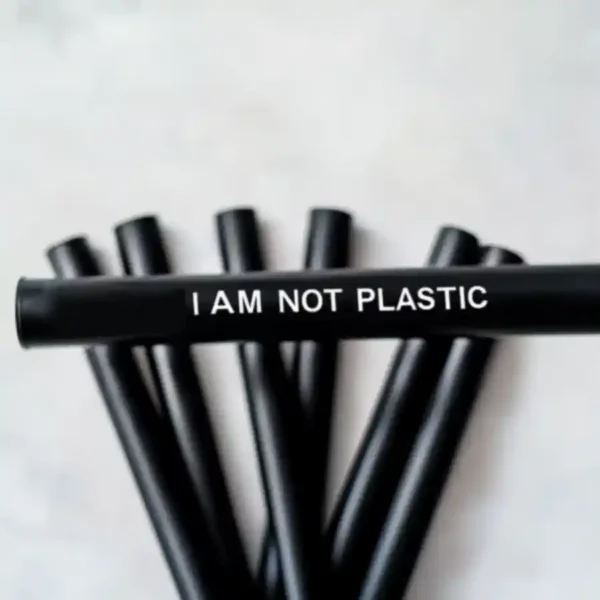
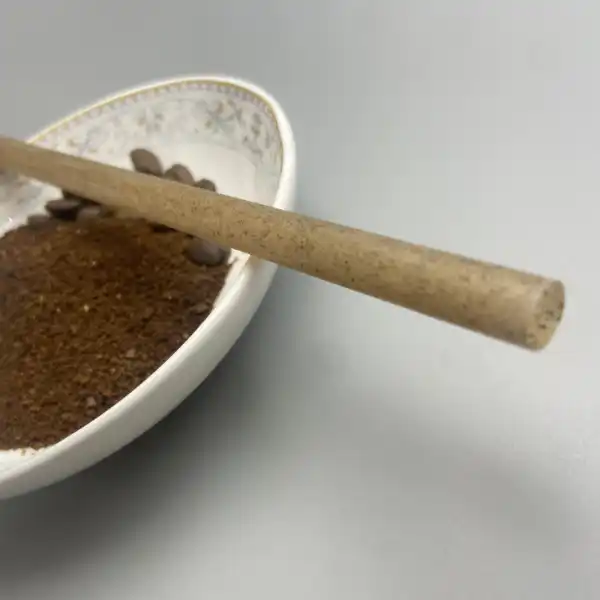
In recent years, the demand for eco-friendly packaging in the foodservice industry has been on the rise. Consumers are increasingly looking for businesses that prioritize sustainability, and this trend is expected to continue. One of the most effective ways to address this growing concern is by switching to compostable sugarcane straws. These sustainable alternatives to traditional plastic straws not only benefit the environment but also offer numerous advantages for businesses. This blog post will explore the world of sugarcane straws, their advantages, environmental impact, cost comparison with plastic straws, and provide tips for transitioning your business to these sustainable alternatives.
II. The Sustainability of Sugarcane Straws
A. Explanation of How Sugarcane Straws Are Made
Sugarcane straws are made from the pulp, or bagasse, of sugarcane plants after the juice has been extracted for sugar production. This process utilizes a renewable resource that requires less land and water compared to other straw materials.
B. Discussion on the Environmental Impact of Using Sugarcane Straws
One of the primary environmental benefits of sugarcane straws is their biodegradability. These straws break down naturally within 60-90 days, leaving no harmful residues behind. This significantly reduces plastic pollution in landfills and oceans, contributing to a healthier ecosystem.
C. Comparison of the Carbon Footprint of Sugarcane Straws to Traditional Plastic Straws
Compared to traditional plastic straws, sugarcane straws have a lower carbon footprint due to their plant-based origin and shorter production process. The production of sugarcane straws requires less energy and uses fewer resources, making them a more sustainable option.
III. Advantages of Using Sugarcane Straws
A. Detailing the Key Benefits of Using Compostable Sugarcane Straws in Restaurants:
- Environmental Friendliness
- Biodegradable and Compostable: Sugarcane straws are fully biodegradable and compostable, ensuring they do not contribute to long-term plastic pollution. They break down in 60-90 days, which is significantly faster than traditional plastic straws.
- Customer Appreciation and Brand Image
- Demonstrates Environmental Commitment: By using compostable sugarcane straws, your restaurant demonstrates a strong commitment to sustainability, which appeals to eco-conscious consumers. This can enhance your brand image and attract customers who value responsible choices.
- Compliance with Plastic Ban Regulations
- Future-Proof Choice: Many cities and countries are banning traditional plastic straws due to their environmental impact. Switching to sugarcane straws ensures your business complies with these regulations, providing a future-proof solution.
- Durability and Usability
- Sturdy and Resistant: Sugarcane straws are sturdy and resistant to breakdown in liquids, making them ideal for a variety of drinks. They offer a user experience comparable to traditional straws without compromising on durability.
- Economic Benefits
- Cost-Competitive: While sugarcane straws may have a slightly higher initial cost, they can offer long-term economic benefits. For instance, businesses that switch to sugarcane straws may attract more eco-conscious customers who are willing to pay extra for sustainable products.

- Cost-Competitive: While sugarcane straws may have a slightly higher initial cost, they can offer long-term economic benefits. For instance, businesses that switch to sugarcane straws may attract more eco-conscious customers who are willing to pay extra for sustainable products.

IV. Cost Comparison of Sugarcane Straws and Plastic Straws
A. Break Down of the Initial Cost, Long-Term Cost, and Overall Value of Investing in Sugarcane Straws
The initial cost of sugarcane straws might be slightly higher than plastic straws, but the long-term benefits and increased customer satisfaction can offset these costs. Moreover, the use of sugarcane straws may influence customer perception positively, leading to increased business and ultimately higher revenue.
B. How the Use of Sugarcane Straws May Influence Customer Perception and Increase Business
Consumers are increasingly willing to support businesses that align with their values. By adopting compostable sugarcane straws, your restaurant can enhance customer perception and loyalty. This can lead to increased repeat business and positive word-of-mouth, ultimately benefiting your bottom line.
V. Use Cases of Sugarcane Straws in B2B Sectors
A. Examples of Businesses That Have Successfully Implemented the Use of Sugarcane Straws
Many businesses across various sectors have successfully implemented the use of sugarcane straws, including:
- Restaurants: By replacing traditional plastic straws with sugarcane straws, restaurants can cater to environmentally conscious customers and showcase their commitment to sustainability.
- Bars and Clubs: Elevating cocktails with eco-friendly straws can provide a unique sipping experience and appeal to a broader customer base.
- Event Planners: Using sugarcane straws for events emphasizes a responsible approach and can be a memorable aspect of the event.
- Catering Services: Impress clients with sustainable catering practices, enhancing your reputation and customer satisfaction.
B. Positive Feedback and Increased Customer Satisfaction in These Businesses
Businesses that have adopted sugarcane straws often report positive feedback from customers. The eco-friendly nature of these straws not only aligns with consumer values but also enhances the overall dining experience. This can lead to increased customer satisfaction and loyalty, driving repeat business and positive reviews.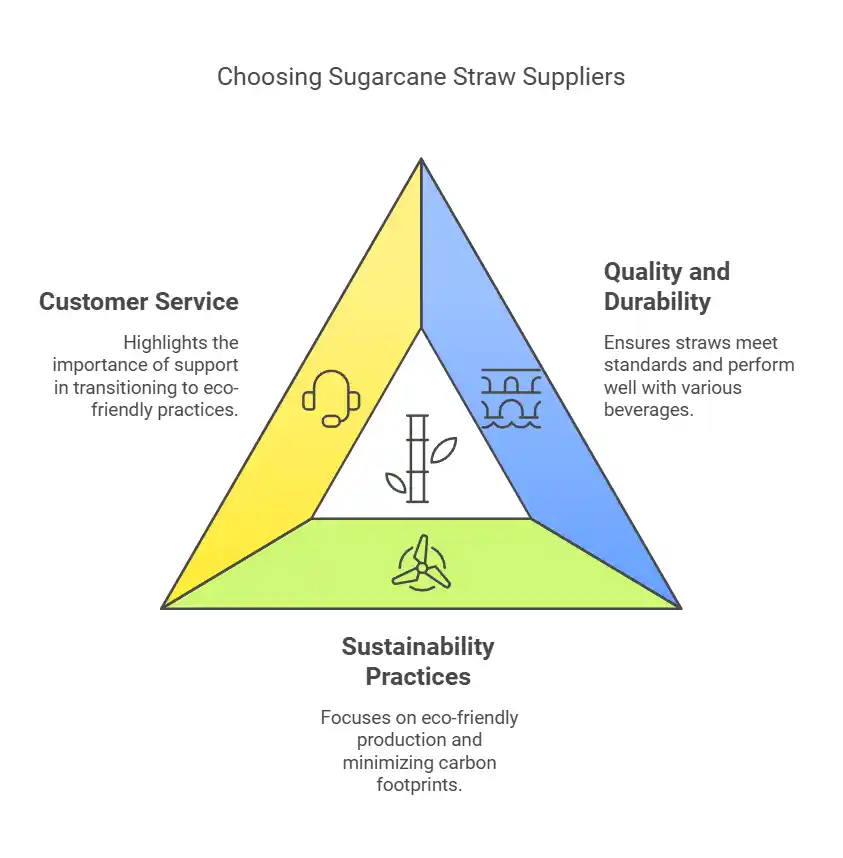
VI. Finding Suppliers and Making Informed Purchasing Decisions
A. Guidance on How to Find Reliable Suppliers of Compostable Sugarcane Straws
Finding reliable suppliers is crucial for ensuring the quality and sustainability of your sugarcane straws. Here are some steps to follow:
- Research: Look for suppliers with certifications such as ABA Home Compost Certificate, BPI Commercially Compost Certificate, and OK Home Compost TUV Certificate. These certifications ensure that the straws are fully compostable and meet environmental standards.
- Quality Check: Ensure that the straws are made from high-quality sugarcane pulp and are free from harmful chemicals. Check the manufacturing process to ensure it aligns with your business values.
- Customer Reviews: Read customer reviews and testimonials to gauge the supplier’s reputation and reliability.
B. A Checklist for What to Consider When Purchasing Sugarcane Straws for Your Business
When purchasing compostable sugarcane straws for your business, consider the following:
- Certifications: Look for suppliers with relevant certifications.
- Quality: Ensure the straws are made from high-quality sugarcane pulp.
- Price: Compare prices while considering the long-term benefits of using eco-friendly straws.
- Customer Support: Evaluate the supplier’s customer support and service.
- Sustainability Reports: Request sustainability reports to ensure the supplier is committed to environmental responsibility.

VII. Conclusion
Incorporating compostable sugarcane straws into your business model offers numerous benefits. From enhancing your brand image and complying with plastic ban regulations to providing a durable and usable product, these straws are a sustainable move for business owners. By adopting this eco-friendly alternative, you not only contribute to reducing plastic pollution but also attract environmentally conscious consumers who are willing to support sustainable businesses.
VIII. Call to Action
We invite you to share your thoughts or experiences with compostable sugarcane straws. If you have already made the switch, we encourage you to share your journey and the benefits you have observed. Together, we can make a significant impact on reducing plastic waste and promoting sustainability in the foodservice industry. Join the sustainable movement today and make a positive change for the future.