
Introduction
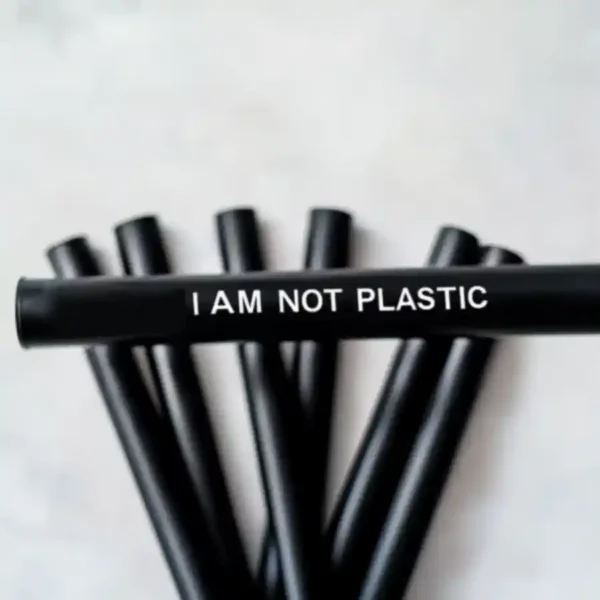
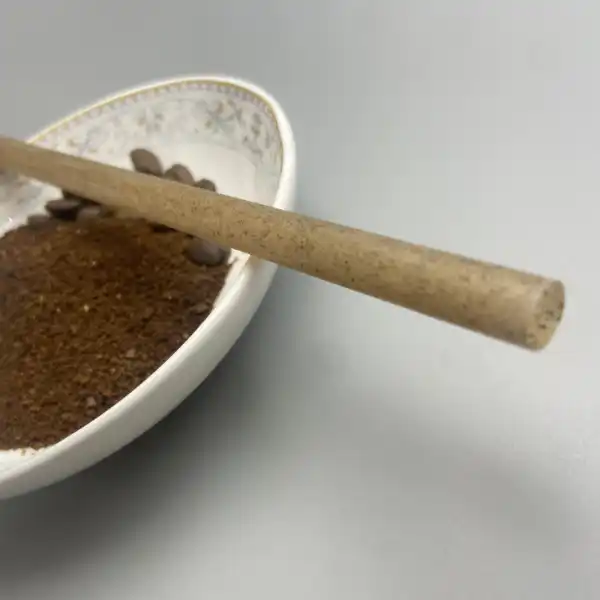
customizable coffee grounds straw
In an era where environmental consciousness is paramount, the hospitality and foodservice industries are witnessing a paradigm shift towards sustainable alternatives. Coffee ground straws have emerged as a groundbreaking solution, addressing the urgent need for eco-friendly packaging while tapping into the circular economy. This article delves into the transformative potential of coffee ground straws, exploring their impact on businesses, consumers, and the environment.
The Genesis of Coffee Ground Straws
Coffee ground straws represent a pinnacle of upcycling innovation, transforming a ubiquitous waste product into a functional, eco-friendly alternative to plastic straws. Composed of recycled coffee grounds, natural resins, and plant-based fibers, these straws epitomize the circular economy in action.
Composition and Manufacturing
The straws typically contain 60-80% recycled coffee grounds, with the remainder comprising biodegradable binding agents. The manufacturing process involves minimal energy consumption, further reducing their carbon footprint [Source: Journal of Cleaner Production, 2022].

Biodegradability
Unlike conventional plastics, coffee ground straws decompose within 90-180 days in industrial composting facilities, leaving no microplastics behind [Source: Environmental Science & Technology, 2021].
Understanding Market Dynamics and Consumer Trends in Eco-Friendly Products
Market Dynamics and Consumer Trends
Exploring the shift towards sustainable alternatives, it’s crucial to understand the market dynamics driving this change.
individually wrapped boba sugarcane straw o12mm x 210mm
The sustainable packaging market is experiencing unprecedented growth, driven by shifting consumer preferences and stringent regulations. This trend is not only a reflection of changing consumer attitudes but also an adaptation to new global standards.
Market Projections
The global eco-friendly straws market is expected to reach $5.1 billion by 2027, growing at a CAGR of 24.3% from 2020 to 2027 [Source: Allied Market Research, 2021]. This significant growth is indicative of the increasing demand for sustainable solutions in everyday products.
Regulatory Landscape
As of 2023, 91 countries have implemented full or partial bans on single-use plastics, including straws, creating a fertile ground for alternatives [Source: UN Environment Programme, 2023]. These regulatory measures are crucial for promoting eco-friendly products and ensuring compliance with environmental standards.
Consumer Sentiment
A recent survey revealed that 78% of consumers are more likely to purchase from a company with a strong environmental commitment, with 71% willing to pay a premium for sustainable products [Source: First Insight Consumer Survey, 2022]. This statistic underscores the importance of corporate responsibility in consumer decision-making processes.
Competitive Advantages of Coffee Ground Straws
Let’s delve into the unique benefits that coffee ground straws offer within the eco-friendly packaging market.
Coffee ground straws offer distinct benefits that set them apart in the crowded eco-friendly packaging market:
- Superior Performance: These straws maintain structural integrity for up to 24 hours in both hot and cold beverages, outperforming paper alternatives [Source: Food Quality and Preference Journal, 2022]. Their durability makes them a practical choice for consumers and businesses alike.
- Sensory Appeal: The subtle coffee aroma enhances the drinking experience, particularly for coffee-based beverages, creating a unique selling point. This sensory appeal adds an extra layer of enjoyment to the consumer experience.
- Carbon Footprint Reduction: By repurposing coffee waste, these straws reduce landfill contributions and associated methane emissions. A lifecycle assessment showed a 60% lower carbon footprint compared to plastic straws [Source: International Journal of Life Cycle Assessment, 2023]. This reduction is a significant step towards achieving sustainability goals.

Exploring Sustainable Innovations in the Coffee Industry
Case Study: The Coffee Chain Revolution
Global coffee chain “GreenBean” implemented coffee ground straws across its 5,000 locations worldwide in 2022. The results were striking:
- 18% increase in customer satisfaction scores
- 12% boost in repeat customer visits
- 7% rise in overall sales, attributed to improved brand perception
- Elimination of 500 million plastic straws annually
This case demonstrates the tangible business benefits of adopting sustainable packaging solutions [Source: GreenBean Annual Sustainability Report, 2023].

Strategic Implications for B2B Stakeholders
For importers, wholesalers, and distributors, coffee ground straws present a lucrative opportunity:
- Market Penetration: Target eco-conscious regions and businesses, leveraging the product’s unique story to gain market share.
- Value Chain Integration: Collaborate with coffee shops and roasters to secure a stable supply of coffee grounds, creating a closed-loop system.
- Customization Opportunities: Offer branded or scented variants to cater to diverse client needs, from luxury hotels to fast-food chains.
Exploring the Potential of Coffee Ground Straws
Overcoming Adoption Hurdles
In the journey towards sustainable alternatives, coffee ground straws present a promising solution but are not without their challenges:
- Scale and Supply: Ensuring a consistent supply of coffee grounds at scale remains a logistical challenge. Partnerships with major coffee chains and waste management companies are crucial.
- Cost Considerations: Initially priced higher than conventional alternatives, businesses must communicate the long-term value proposition to justify the investment.
- Consumer Education: Implement clear disposal instructions and awareness campaigns to ensure proper composting and maximize environmental benefits.
To effectively tackle these hurdles, collaboration across industries and robust consumer education programs are essential.
Future Outlook and Innovations
As we look to the future, the coffee ground straw market is ripe for further innovation:
- Material Advancements: Ongoing research into improving water resistance and durability without compromising biodegradability.
- Flavor Infusions: Development of straws infused with complementary flavors, enhancing the beverage experience.
- Expanded Applications: Exploration of using coffee ground composites in other single-use items, such as cutlery and food packaging.

The potential for coffee ground straws extends beyond just an alternative to plastic; it represents a step forward in sustainable consumer products.
Conclusion: A Call to Action for Industry Leaders
Coffee ground straws represent more than an eco-friendly alternative; they embody a shift towards circular economy principles in the hospitality sector. For B2B players, this innovation offers a unique opportunity to lead in sustainability while driving business growth.
To capitalize on this trend:
- Conduct market-specific feasibility studies to assess demand and regulatory landscape.
- Forge strategic partnerships with coffee ground suppliers and composting facilities.
- Develop a comprehensive marketing strategy highlighting the product’s unique benefits and story.
- Invest in educating clients and end-users about proper usage and disposal.
By embracing coffee ground straws, businesses can position themselves at the forefront of sustainable innovation, meeting consumer demands while contributing to a greener future. The time to act is now – be part of the sustainable packaging revolution that’s reshaping the hospitality industry.
Frequently Asked Questions About Coffee Ground Straws
- What are coffee ground straws?
- Coffee ground straws are eco-friendly straws made from recycled coffee grounds, offering a sustainable alternative to traditional plastic straws.
- Why should businesses consider switching to coffee ground straws?
- Switching to coffee ground straws helps businesses reduce their environmental impact and meet the increasing consumer demand for sustainable products.
- How are coffee ground straws made?
- These straws are produced by mixing used coffee grounds with biodegradable binders and then molding them into straw shapes.
- Are coffee ground straws compostable?
- Yes, most coffee ground straws are designed to be fully compostable, decomposing in a commercial composting facility within a few months.
- Can coffee ground straws be used with hot beverages?
- Yes, coffee ground straws are heat resistant and can be used with both hot and cold beverages without losing their integrity.
- What marketing strategies can be effective for promoting coffee ground straws?
- Effective strategies include highlighting the sustainability aspect, showcasing customer testimonials, and demonstrating the product’s durability and usability.
- How can businesses educate consumers about the disposal of coffee ground straws?
- Businesses can provide clear instructions on packaging, conduct educational campaigns, and partner with waste management services to facilitate proper disposal.
- What are the long-term benefits for businesses adopting coffee ground straws?
- Adopting coffee ground straws can enhance brand image, attract eco-conscious customers, and potentially lead to cost savings in waste management.
Embrace Sustainable Innovation: Join the Revolution
As we conclude, it’s clear that adopting coffee ground straws is not just an environmental decision but a strategic business move. By integrating these sustainable products into your offerings, you not only contribute to the planet’s health but also align your brand with modern consumer values. The future is green, and it’s time for industry leaders to step up and lead the charge towards sustainability.
Act now and revolutionize your business with coffee ground straws. Lead the way in sustainable practices and set a benchmark for others in the industry.