Umweltfreundliche Boba-Zuckerrohrstrohhalme: B2B-Konformität & Ersparnisse

Einleitung: Die sich verändernde Landschaft der Nachhaltigkeit in der Gastronomie
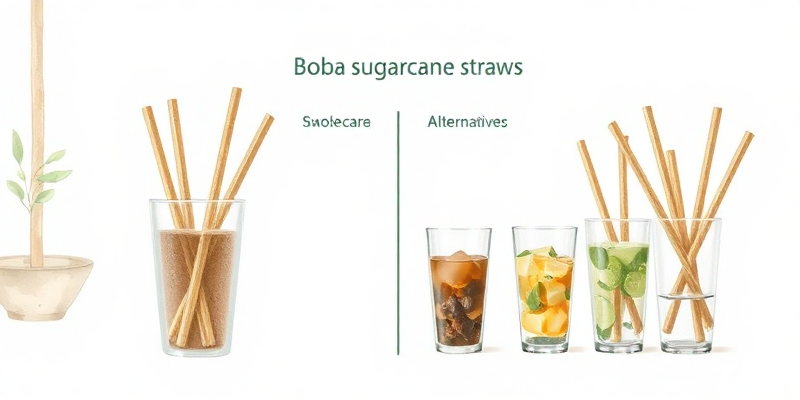
Stellen Sie sich Folgendes vor: Es ist Montagmorgen und Sie haben gerade Ihren Posteingang geöffnet und finden eine dringende E-Mail von Ihrem Stadtrat. Die Betreffzeile lautet: „Verbot von Plastikstrohhalm tritt nächsten Monat in Kraft – Einhaltung erforderlich.“ Ihr Café oder Bubble-Tea-Laden muss plötzlich eine Alternative für die Tausenden von Plastikstrohhalmen finden, die Sie jeden Monat verwenden. Kommt Ihnen das bekannt vor? Dieses Szenario spielt sich auf der ganzen Welt ab, da inzwischen über 127 Länder irgendeine Form von Plastikverbot oder -beschränkung eingeführt haben.
Die Gastronomiebranche steht an einem kritischen Scheideweg. Da Einwegkunststoffe zunehmend einer behördlichen Prüfung unterliegen, stehen Unternehmen wie Ihres sowohl vor einer Herausforderung als auch einer Chance. Die Herausforderung: kostengünstige, funktionale Alternativen zu finden, die Ihre Kunden nicht enttäuschen. Die Chance: Ihre Marke als umweltbewusst positionieren und gleichzeitig möglicherweise langfristig Geld sparen.
Eingeben Zuckerrohrstrohhalme – die nachhaltige Lösung, die die Art und Weise, wie Bubble-Tea-Läden, Cafés, Restaurants und Hotels ihre Getränke servieren, revolutioniert. Im Gegensatz zu herkömmlichen Plastikstrohhalmen, deren Zersetzung bis zu 200 Jahre dauert, kehren Zuckerrohrstrohhalme auf natürliche Weise zur Erde zurück und zersetzen sich bei geeigneten Kompostierungsbedingungen normalerweise innerhalb von 90–180 Tagen.
Aber was genau unterscheidet diese Zuckerrohrstrohhalme von anderen Alternativen, die den Markt überschwemmen? Warum wechseln führende Bubble-Tea-Ketten und Coffeeshops? Die Antworten liegen in ihrer einzigartigen Zusammensetzung. Hergestellt aus Bagasse – dem faserigen Nebenprodukt, das bei der Saftgewinnung aus Zuckerrohr übrig bleibt – verwandeln diese Strohhalme, was sonst landwirtschaftlicher Abfall wäre, in ein wertvolles, funktionelles Produkt.
Da Beschaffungsmanager und Nachhaltigkeitsdirektoren nach Optionen suchen, die ökologische Verantwortung mit praktischen Geschäftsanforderungen in Einklang bringen, bieten Zuckerrohrstrohhalme überzeugende Vorteile. Sie sind robust genug für dickflüssigen Bubble Tea, natürlich biologisch abbaubar und überraschend kostengünstig, wenn man sie im Großhandel bestellt. Darüber hinaus bieten sie das authentische Trinkerlebnis, das Ihre Kunden erwarten, ohne den verräterischen Papiergeruch oder den metallischen Geschmack anderer Alternativen.
Die Frage ist nicht, ob Ihr Unternehmen auf Plastikstrohhalme verzichten muss, sondern vielmehr, welche Alternative Ihren Kunden das beste Erlebnis bietet und gleichzeitig Ihre betrieblichen, finanziellen und Nachhaltigkeitsziele erreicht.
Einhaltung gesetzlicher Vorschriften: Zertifizierungen für Boba-Zuckerrohrstrohhalme

Sich in der komplexen Welt der Lebensmittelkontaktzertifizierungen zurechtzufinden, kann überwältigend sein. Wenn Sie diese Vorschriften verstehen, geht es jedoch nicht nur darum, Strafen zu vermeiden, sondern auch darum, Ihr Unternehmen und Ihre Kunden zu schützen und gleichzeitig Ihr Engagement für Qualität unter Beweis zu stellen.
Für Gastronomiebetriebe ist die Einhaltung der Lebensmittelsicherheitsvorschriften keine Selbstverständlichkeit. Der FDA hält strenge Richtlinien für Materialien, die mit Lebensmitteln in Berührung kommen, ein, und eine Nichteinhaltung kann erhebliche Konsequenzen haben. Tatsächlich können Verstöße gegen die FDA im Zusammenhang mit Materialien, die mit Lebensmitteln in Berührung kommen, zu Geldstrafen führen, die von 250.000 US-Dollar für Einzelpersonen bis zu 500.000 US-Dollar für Unternehmen reichen, ganz zu schweigen von möglichen Produktrückrufen und Reputationsschäden.
Bei der Auswahl von Zuckerrohrstrohhalmen für Ihr Unternehmen ist die Zertifizierung ein entscheidender Faktor. Unsere Zuckerrohr-Boba-Strohhalme umfassende Sicherheitsstandards erfüllen, darunter:
1. **FDA-Zertifizierung**: Stellt sicher, dass die Strohhalme die Anforderungen der US-amerikanischen Food and Drug Administration für die Sicherheit bei Lebensmittelkontakt erfüllen
2. **LFGB-Zertifizierung**: Entspricht dem deutschen Lebensmittel- und Futtermittelgesetzbuch, das oft als noch strenger als die FDA-Standards angesehen wird
3. **Überprüfung der Heimkompostierbarkeit**: Bestätigt, dass die Strohhalme in Heimkompostierungsumgebungen und nicht nur in Industrieanlagen auf natürliche Weise zersetzt werden
Diese Zertifizierungen bieten mehr als nur rechtlichen Schutz – sie bieten Sicherheit. Wenn ein Kunde nach der Sicherheit oder den Auswirkungen Ihrer Strohhalme auf die Umwelt fragt, können Sie getrost auf diese international anerkannten Standards verweisen.
Betrachten Sie den Fall von Fresh Brew Café, einer regionalen Kette, die aus Kostengründen auf nicht zertifizierte „umweltfreundliche“ Strohhalme umgestiegen ist. Als Kunden allergische Reaktionen auf nicht genannte chemische Zusatzstoffe in den Strohhalmen entwickelten, sah sich das Unternehmen mit Klagen und einer PR-Krise konfrontiert, die die anfänglichen Einsparungen bei weitem überstieg. Ordnungsgemäß zertifizierte Zuckerrohrstrohhalme eliminieren solche Risiken und bieten dennoch Kostenvorteile im Vergleich zu anderen zertifizierten Alternativen.
Durch die Wahl umweltfreundliche Zuckerrohrstrohhalme für nachhaltige Veranstaltungen Mit ordnungsgemäßen Zertifizierungen kreuzen Sie nicht nur ein Compliance-Kästchen an – Sie geben eine Aussage über das Engagement Ihres Unternehmens für Qualität und Sicherheit ab.
Wie sich Boba-Zuckerrohrstrohhalme mit anderen Öko-Alternativen vergleichen lassen
Bei so vielen nachhaltigen Strohoptionen auf dem Markt erfordert die richtige Wahl für Ihr Unternehmen eine sorgfältige Abwägung von Funktionalität, Kosten und Umweltauswirkungen. Lassen Sie uns aufschlüsseln, wie Zuckerrohrstrohhalme im Vergleich zur Konkurrenz abschneiden:
| Besonderheit | Zuckerrohrstrohhalme | Papierstrohhalme | PLA-Strohhalme | Metallstrohhalme |
|---|---|---|---|---|
| ———— | ———————St | ————– | —————St | ————– |
| Haltbarkeit in Getränken | 2-3 Stunden | 30-60 Minuten | 2-3 Stunden | Unbestimmt |
| Boba-Kompatibilität | Exzellent | Arm | Gut | Exzellent |
| Auswirkungen auf den Geschmack | Keiner | Leichter Papiergeschmack | Keiner | Leicht metallischer Geschmack |
| Kosten pro Einheit (Masse) | 0,04–0,07 $ | $ 0,03-0.05 | 0,05–0,08 $ | 0,50–2,00 $ |
| Lebensende | Home kompostierbar | Recycelbar (wenn sauber) | Nur industriell kompostierbar | Wiederverwendbar/recycelbar |
| CO2-Fußabdruck | Niedrig | Medium | Mittelhoch | Anfangs hoch, mit der Zeit niedrig |
Laut einer Studie der Sustainable Packaging Coalition aus dem Jahr 2023 meldeten Unternehmen, die von Papier- auf Zuckerrohrstrohhalme umgestiegen sind, 78 % weniger Kundenbeschwerden über die Strohhalmleistung, insbesondere bei Bubble-Tea- und Smoothie-Anwendungen.
Der wesentliche Vorteil von Warum Zuckerrohrstrohhalme die Zukunft des umweltfreundlichen Trinkens sind wird deutlich, wenn man ihre Leistung mit dickflüssigen Getränken untersucht. Während Papierstrohhalme oft zusammenfallen, bevor ein Kunde seinen Bubble Tea ausgetrunken hat, behalten Zuckerrohrstrohhalme ihre Struktur während des gesamten Trinkerlebnisses. Dieser funktionale Unterschied führt zu einer höheren Kundenzufriedenheit und weniger Anfragen nach Ersatzstrohhalmen – ein versteckter Betriebsaufwand, den viele Unternehmen übersehen.
Aus Kostengründen stellen Zuckerrohrstrohhalme eine Mittelwegoption dar. Obwohl sie etwas teurer als Papieralternativen sind, müssen Kunden aufgrund ihrer überlegenen Leistung nicht mehrere Strohhalme pro Getränk verwenden. Im Vergleich zu PLA-Strohhalmen (pflanzlicher Kunststoff) bieten Optionen aus Zuckerrohr eine ähnliche Leistung, haben jedoch den zusätzlichen Vorteil, dass sie zu Hause kompostierbar sind und keine industriellen Anlagen erfordern.
Der UNEP hat hervorgehoben, wie wichtig es ist, die Auswirkungen von Kunststoffalternativen auf den gesamten Lebenszyklus zu berücksichtigen, und darauf hingewiesen, dass viele scheinbar umweltfreundliche Optionen spezielle Entsorgungsbedingungen erfordern, um ihre Vorteile für die Umwelt zu nutzen. Zuckerrohrstrohhalme zeichnen sich durch ihre Fähigkeit aus, sich in Heimkompostierungsumgebungen zu zersetzen, was die Entsorgung am Ende ihrer Lebensdauer sowohl für Unternehmen als auch für Verbraucher einfacher macht.
Die wichtigsten Geschäftsvorteile der Umstellung auf Boba-Zuckerrohrstrohhalme

Über Umweltaspekte hinaus bieten Zuckerrohrstrohhalme greifbare Geschäftsvorteile, die sich auf Ihr Endergebnis und Ihre Markenwahrnehmung auswirken.
### Kostenstabilität in einem unsicheren Markt
Während die Preise für Papierstroh aufgrund der steigenden Nachfrage und des Drucks in der Lieferkette stark schwankten (nach Angaben des Food Service Packaging Institute kam es allein im vergangenen Jahr zu einer Preisvolatilität von bis zu 45 %), sind die Preise für Zuckerrohrstroh relativ stabil geblieben. Diese Stabilität ermöglicht eine vorhersehbarere Budgetplanung und potenziell erhebliche Einsparungen bei höheren Volumina.
### Markendifferenzierung und Kundenbindung
Die Verbraucher von heute stimmen mit ihrem Geldbeutel ab. Eine aktuelle Nielsen-Studie ergab, dass 73 % der Verbraucher weltweit ihre Konsumgewohnheiten definitiv oder wahrscheinlich ändern würden, um die Umweltbelastung zu verringern. Durch proaktives Annehmen umweltfreundliche Zuckerrohrstrohhalme, regalfertig anpassbar Für Ihr Unternehmen signalisieren Sie den immer bewussteren Verbrauchern die Werte Ihrer Marke.
Besonders positive Rückmeldungen vermelden Bubble-Tea-Läden, die den Wechsel vollzogen haben. Das authentische Trinkerlebnis – besonders wichtig für Boba-Tee, bei dem die Leistung des Strohhalms von entscheidender Bedeutung ist – führt zu verbesserten Kundenzufriedenheitswerten und Wiederholungskäufen.
### Betriebseffizienz
Die praktischen Vorteile erstrecken sich auch auf Ihren täglichen Betrieb:
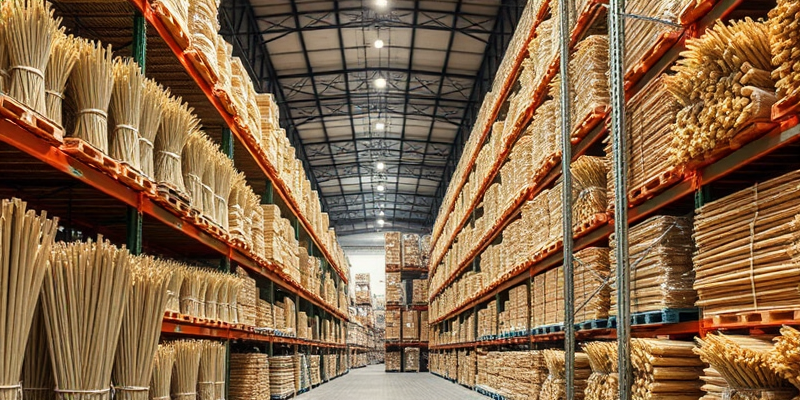
- **Reduzierter Lagerraum**: Zuckerrohrstrohhalme sind in der Regel kompakter als Papieralternativen und benötigen etwa 20 % weniger Lagerraum
- **Weniger Kundenbeschwerden**: Unternehmen berichten von einer Reduzierung der strohbezogenen Beschwerden um bis zu 80 %, nachdem sie von Papier auf Zuckerrohr umgestiegen sind
- **Marketingchance**: Der Wechsel wird zu einem natürlichen Gesprächsthema für Social-Media-Inhalte und Beschilderungen im Geschäft und erzeugt positives Engagement
### Anpassungsmöglichkeiten
Am spannendsten für markenbewusste Unternehmen ist vielleicht das Anpassungspotenzial. Boba Zuckerrohr-Trinkhalme umweltfreundlich Die Optionen können mit Ihrem Logo, Slogan oder Design angepasst werden, sodass aus einer notwendigen Ausgabe eine Marketingchance wird. Diese Markenstrohhalme werden zu Mini-Werbetafeln in den Händen der Kunden und zu Social-Media-Fotos – ein Marketingvorteil, den herkömmliche Plastikstrohhalme nie bieten.
Umweltauswirkungen: Warum Boba-Zuckerrohrstrohhalme gewinnen
Die ökologischen Argumente für Zuckerrohrstrohhalme gehen über ihre biologische Abbaubarkeit hinaus. Ihr gesamter Lebenszyklus erzählt eine fesselnde Nachhaltigkeitsgeschichte.
Bei der Zuckerrohrproduktion wird während des Wachstums tatsächlich Kohlendioxid gebunden, wobei laut einer Studie der Universität von São Paulo jeder Hektar Zuckerrohr jährlich etwa 40 Tonnen CO2 absorbiert. Durch diese Kohlenstoffbindung werden die Emissionen aus Produktion und Transport teilweise ausgeglichen.
Beim Herstellungsprozess selbst werden Abfälle aus der Landwirtschaft genutzt. Nach der Saftgewinnung zur Zuckerproduktion wird die verbleibende Bagasse typischerweise zur Energiegewinnung verbrannt oder entsorgt. Die Wiederverwendung dieses Materials in Strohhalme schafft Wert aus Abfall und vermeidet gleichzeitig die Umweltauswirkungen der Neumaterialproduktion.
Bei der Untersuchung von End-of-Life-Szenarien Umweltfreundliche Alternative zu Zuckerrohrstrohhalmen weist klare Vorteile auf. Im Gegensatz zu PLA-Strohhalmen, die industrielle Kompostieranlagen erfordern (die nur für 27 % der US-Verbraucher zugänglich sind), zersetzen sich Zuckerrohrstrohhalme in Heimkompostierungssystemen innerhalb von 90–180 Tagen. Selbst unter Mülldeponiebedingungen zersetzen sie sich schneller als erdölbasierte Kunststoffe oder PLA-Alternativen.
Der Wasserverbrauch stellt einen weiteren kritischen Umweltfaktor dar. Die Produktion von Papierstroh erfordert erhebliche Wasserressourcen – etwa 1,5 Gallonen pro Pfund Papier. Im Gegensatz dazu wird Zuckerrohr in den großen Produktionsregionen typischerweise durch Regen gespeist, was zu einem wesentlich geringeren Wasser-Fußabdruck führt.
Für Unternehmen, die ihre Kennzahlen zur Umweltauswirkung verfolgen, tragen diese Faktoren zu einer aussagekräftigen Nachhaltigkeitsberichterstattung und echten Fortschritten bei der Verwirklichung von Umweltzielen statt zu bloßem Greenwashing bei.
Fallstudie: Zuckerrohrstrohhalme von Boba sind in der Praxis erfolgreich

Fresh Bubble, eine wachsende Kette von Bubble-Tea-Läden mit 15 Standorten an der Westküste, stand Anfang 2022 vor einem gemeinsamen Dilemma. Ihre Kunden äußerten sich zunehmend lautstark zu nachhaltigen Praktiken, während örtliche Vorschriften begannen, Einwegkunststoffe einzuschränken. Ihre anfängliche Umstellung auf Papierstrohhalme führte zu einer Flut von Beschwerden – die Strohhalme fielen mitten beim Genießen ihres charakteristischen Milchtees mit braunem Zucker und Boba-Perlen zusammen.
„Wir verbrauchten doppelt so viele Strohhalme, weil die Kunden Ersatz verlangten, wenn ihre Papierstrohhalme zerfielen“, erklärt Sarah Chen, Betriebsleiterin von Fresh Bubble. „Dies führte nicht nur zu zusätzlichem Abfall, sondern beeinträchtigte auch das Kundenerlebnis und erhöhte unsere Kosten.“
Nachdem mehrere Alternativen getestet wurden, implementierte Fresh Bubble die Zuckerrohrstrohhalme von NatureBioEco in einer schrittweisen Einführung an allen Standorten. Die Ergebnisse waren unmittelbar und messbar:
- Kundenbeschwerden über Strohhalme gingen innerhalb des ersten Monats um 94 % zurück
- Social-Media-Erwähnungen, die ihre nachhaltigen Praktiken loben, stiegen um 215 %
- Trotz der höheren Stückkosten im Vergleich zu Papierstrohhalmen sanken die Gesamtkosten für Strohhalme um 12 %, da weniger Abfall anfällt und weniger Ersatzteile benötigt werden
- 68 % der befragten Kunden gaben an, dass sie die verbesserten Nachhaltigkeitsbemühungen zu schätzen wussten
Am eindrucksvollsten war vielleicht, dass Fresh Bubble seinen Strohhalmwechsel in eine Marketingkampagne umsetzte, die große Aufmerksamkeit erregte. Sie kreierten unverwechselbare Zuckerrohrstrohhalme mit ihrem Logo und dem Slogan „Sip Sustainably“, die in den Social-Media-Beiträgen der Kunden sofort erkennbar waren.
„Was als Compliance-Notwendigkeit begann, wurde zu einem unserer besten Markendifferenzierungsmerkmale“, bemerkt Chen. „Kunden haben uns tatsächlich erzählt, dass sie sich für uns gegenüber der Konkurrenz entschieden haben, insbesondere weil wir uns für wirklich funktionelle, umweltfreundliche Strohhalme einsetzen.“
Der Erfolg von Fresh Bubble zeigt, wie die richtige nachhaltige Entscheidung eine potenzielle geschäftliche Herausforderung in einen Wettbewerbsvorteil verwandeln kann.
Häufig gestellte Fragen
- Was unterscheidet Zuckerrohrstrohhalme von normalen Plastikstrohhalmen?
- Zuckerrohrstrohhalme werden aus Bagasse hergestellt, dem faserigen Nebenprodukt, das bei der Saftgewinnung aus Zuckerrohr übrig bleibt. Im Gegensatz zu erdölbasierten Plastikstrohhalmen, die jahrhundertelang in der Umwelt verbleiben, werden Zuckerrohrstrohhalme unter Kompostierungsbedingungen innerhalb von 90–180 Tagen auf natürliche Weise biologisch abgebaut. Sie bieten eine ähnliche Leistung wie Plastikstrohhalme, jedoch mit einem deutlich geringeren ökologischen Fußabdruck.
- Wie haltbar sind Zuckerrohrstrohhalme für Bubble-Tea-Anwendungen?
- Zuckerrohrstrohhalme behalten in den meisten Getränken ihre strukturelle Integrität für 2–3 Stunden und sind daher ideal für Bubble Tea und Smoothies. Ihr Durchmesser von 12 mm nimmt problemlos Tapiokaperlen und andere Toppings auf, während ihre Haltbarkeit die bei Papieralternativen üblichen Probleme beim Zusammenfallen verhindert. Sie werden nicht matschig und verändern den Geschmack von Getränken nicht.
- Sind Zuckerrohrstrohhalme teurer als andere Alternativen?
- Während die Stückkosten für Zuckerrohrstrohhalme etwas höher sind als für Papierstrohhalme (ungefähr 15–25 % mehr bei Großhandelsmengen), sind die Gesamtbetriebskosten oft niedriger. Dies liegt daran, dass Kunden nur selten Ersatzstrohhalme benötigen, was den Gesamtverbrauch und den Abfall reduziert. Im Vergleich zu PLA-Strohhalmen sind Zuckerrohrstrohhalme in der Regel preislich konkurrenzfähig, insbesondere bei höheren Mengen.
- Können Zuckerrohrstrohhalme mit meinem Firmenlogo personalisiert werden?
- Ja! Zuckerrohrstrohhalme bieten hervorragende Individualisierungsmöglichkeiten, einschließlich des Aufdrucks mit dem Logo direkt auf den Strohhalmen. Die Mindestbestellmenge für Individualisierungen beginnt in der Regel bei 50.000 Einheiten, die Lieferzeit beträgt 4–6 Wochen. Dies verwandelt eine notwendige Ausgabe in eine Marketingchance, da Ihr Branding in den Händen der Kunden und in Social-Media-Beiträgen sichtbar ist.
- Auf welche Zertifizierungen sollte ich beim Kauf von Zuckerrohrstrohhalmen achten?
- Überprüfen Sie bei Anwendungen im Lebensmittelbereich immer die FDA-Zertifizierung für US-Märkte und die LFGB-Zertifizierung für europäische Konformität. Achten Sie außerdem auf eine Überprüfung der Kompostierbarkeit zu Hause, um sicherzustellen, dass sich die Strohhalme unter verschiedenen Bedingungen zersetzen. Diese Zertifizierungen schützen Ihr Unternehmen rechtlich und gewährleisten gleichzeitig den Kunden Produktsicherheit und Umweltansprüche.
- Wie sollen wir Zuckerrohrstrohhalme nach Gebrauch entsorgen?
- Zuckerrohrstrohhalme können zur schnelleren Zersetzung in kommerziellen Kompostieranlagen entsorgt werden. Sie eignen sich auch für Heimkompostierungssysteme. Wenn keine Kompostierung möglich ist, werden sie unter Deponiebedingungen immer noch schneller biologisch abgebaut als herkömmliche Kunststoffe oder PLA. Einige Unternehmen sammeln gebrauchte Strohhalme separat, um ihr Engagement für eine kreislauforientierte Abfallwirtschaft zu demonstrieren.
- Was sind die Mindestbestellmengen für Großhandelseinkäufe?
- Standardgroßhandelsbestellungen beginnen in der Regel bei 10.000 Einheiten, mit erheblichen Preisnachlässen bei 50.000, 100.000 und 250.000 Einheiten. Für maßgeschneiderte Trinkhalme beginnen die Mindestbestellmengen in der Regel bei 50.000 Stück. Für verschiedene Lagermöglichkeiten stehen flexible Verpackungsoptionen zur Verfügung, von Kartons bis hin zu Paletten.