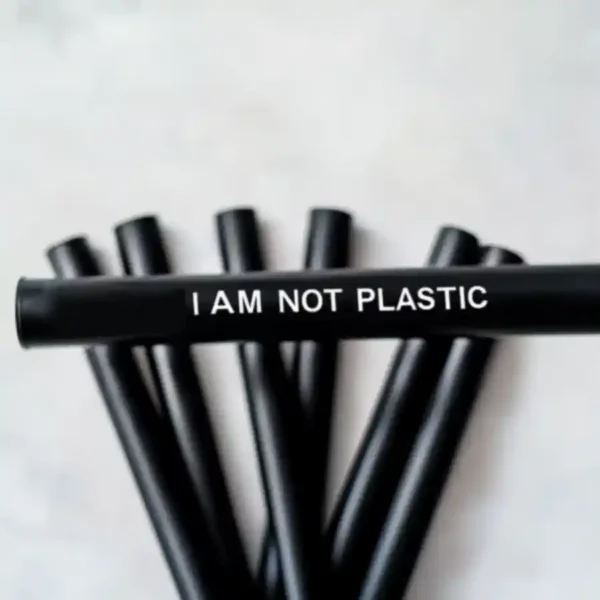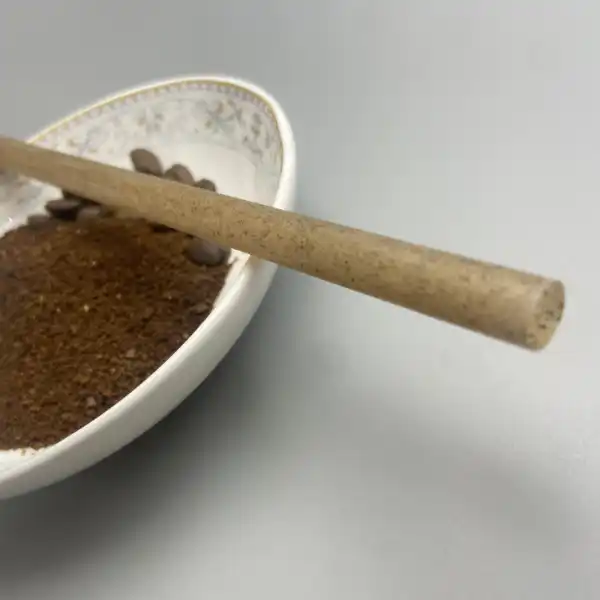
As environmental awareness continues to grow, biodegradable plastics have increasingly come into focus. Originating from the Chinese philosophy of “fallen leaves return to the roots,” creators of biodegradable plastics hope these materials can complete their lifecycle and seamlessly reintegrate with nature after use. Today, we will explore the seven most representative biodegradable plastics.

1. Polylactic Acid (PLA)
Polylactic Acid (PLA) is a new type of biodegradable material made from renewable plant resources such as corn starch. It is fully degradable by microorganisms in nature, eventually breaking down into carbon dioxide and water, posing no pollution risk to the environment. PLA accounts for 45.1% of biodegradable plastic use, making it the leader in this sector. PLA is primarily used in food packaging and 3D printing, with major manufacturers including NatureWorks in the USA and Hisun Biomaterials in China.

2. Polyhydroxyalkanoates (PHA)
PHA is synthesized by microorganisms through the fermentation of various carbon sources. The most common forms are Polyhydroxybutyrate (PHB), Polyhydroxyvalerate (PHV), and their copolymer PHBV. PHA is used in disposable cutlery, non-woven fabrics, packaging materials, agricultural films, toys, coatings, glues, and fibers.


3. Polycaprolactone (PCL)
Polycaprolactone (PCL) is a low melting point polymer obtained from the ring-opening polymerization of ε-caprolactone, with a melting point of only 62°C. PCL has been studied for its degradability since 1976 and can be completely broken down by microorganisms under both anaerobic and aerobic conditions.

4. Polybutylene Succinate (PBS)
PBS is produced from aliphatic dicarboxylic acids and diols, which can be sourced from petrochemical products or renewable agricultural products like starch, cellulose, and glucose through biological fermentation. This process significantly reduces raw material costs, making PBS an economically viable option. PBS is widely used in packaging, cutlery, cosmetic and pharmaceutical bottles, disposable medical supplies, agricultural films, and slow-release materials for pesticides and fertilizers.


5. Aliphatic-Aromatic Copolyesters
The aliphatic-aromatic copolyester Ecoflex, manufactured by BASF in Germany, uses monomers such as adipic acid, terephthalic acid, and 1,4-butanediol. It is part of a range of biodegradable plastic products that also include starch-based plastics.

6. Polyvinyl Alcohol (PVA)
Water-soluble PVA film has emerged internationally as a new plastic product. It leverages PVA’s film-forming and biodegradable properties, breaking down into CO2 and water, which makes it a truly green and high-tech packaging material. In Europe, the USA, and Japan, PVA film is widely used for packaging various products, while its industrial development in China has been more recent, focusing on embroidery and water transfer printing.


7. Carbon Dioxide Copolymers
Carbon dioxide copolymers are a novel synthetic material developed through the copolymerization of carbon dioxide and epoxides using bimetallic coordination PBM catalysts. Although research began in Japan and the USA, there has been no industrial production until recently. In China, Inner Mongolia Mengxi Group has established a facility producingg 3,000 tons annually of CO2/epoxide copolymer resins, mainly for packaging and medical materials.