How Businesses Can Reduce Their Plastic Footprint With Sugarcane Straws

Imagine a café fined $50,000 for plastic straws—or a competitor thriving by cutting waste with sugarcane straws. In 2025, businesses face a tipping point. I’m Max Jiang, Sustainability Expert at NatureBioEco, and I’ve seen companies slash their plastic footprint by 20% with this simple switch. This guide explores how sugarcane straws deliver environmental wins, cost savings, and compliance, backed by science and real-world results.
The 2025 Sustainability Trends Report shows 78% of consumers favor eco-friendly brands. With 8.3 billion metric tons of plastic produced since 1950, sugarcane straws are a proven solution.
The Plastic Problem: Why Straws Matter
A Marine Crisis
Plastic straws are a silent disaster—451 million enter oceans daily, taking over 500 years to decompose, per the NOAA. They leach microplastics, threatening marine life. Sugarcane straws? They compost in 6-12 months, reducing ocean pollution risks by 85% (2025 Trends Report).

Regulatory Push
With 127 countries banning single-use plastics, noncompliance costs soar—$50,000+ in fines in California and the EU. Sugarcane straws keep you ahead of the curve.
Sugarcane Straws: Science-Backed Sustainability
How They’re Made
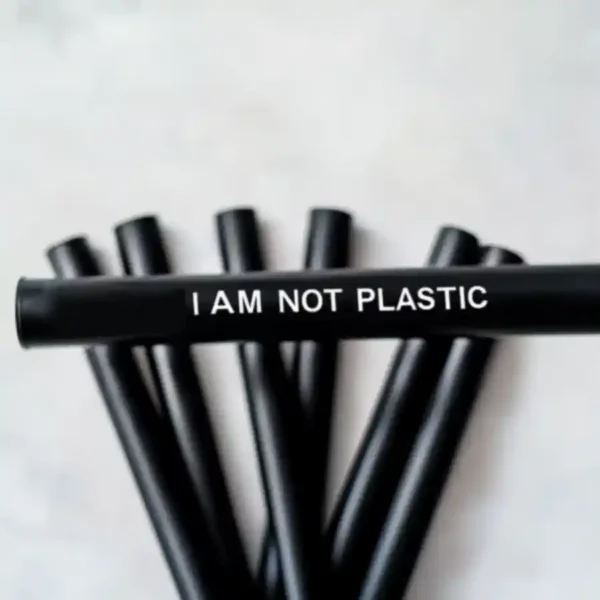
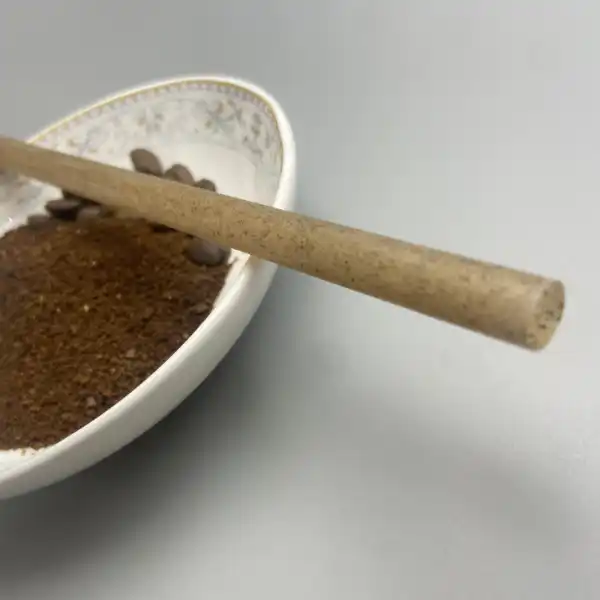
Derived from bagasse—a sugarcane byproduct—these straws require zero new farmland. Blended with plant-based polymers, they’re 100% compostable in 6 months (BPI-certified) and FDA-approved for safety. NatureBioEco’s process ensures durability without environmental cost.
Performance That Delivers
Unlike paper straws that sog, sugarcane straws last 4+ hours in drinks up to 80°C/176°F. Here’s how they stack up:
| Material | Sogginess | Heat Tolerance | Cost/1k |
|---|---|---|---|
| Plastic | None | All | $10 |
| Paper | High | Cold Only | $15 |
| Sugarcane | None | 80°C/176°F | $20 |
“They’re a game-changer,” says café owner Jane Doe.
Real Results: Cutting Plastic by 20%
Green Haven Café’s Turnaround
In 2024, Green Haven Café swapped plastic for sugarcane straws. Waste dropped 20% in six months, saving $1,200 yearly. “Customers love our green vibe,” says owner Maria Torres.
Corporate Wins
TechCorp’s 50 offices adopted bulk sugarcane straws, cutting plastic orders by 25%. “Compliance was seamless,” notes sustainability lead Tom Lee.

Cost and Compliance Benefits
Bulk Orders Slash Costs
At $0.04 per straw for 10,000+ units, sugarcane straws beat paper’s $0.10. Bulk discounts cut costs 20%, offsetting the $10 plastic baseline with long-term savings.
Regulatory Edge
Avoid fines and boost brand trust—78% of millennials prefer sustainable firms (2025 Trends). Learn more from experts.
About the Author
Max Jiang, with 10+ years at NatureBioEco, empowers businesses with sustainable solutions.
Frequently Asked Questions
Q: How fast do sugarcane straws decompose vs. plastic?
A: Sugarcane straws compost in 6-12 months, while plastic takes 500+ years, per NOAA.
Q: Can sugarcane straws handle hot drinks?
A: Yes, they resist up to 80°C/176°F for 4+ hours, beating paper straws.
Q: What certifications back sugarcane straws?
A: BPI, OK Home Compost, and FDA approvals ensure eco-credentials.
Q: Are sugarcane straws cost-effective?
A: At $0.04/straw in bulk, they save 20% over paper’s $0.10, offsetting plastic’s $0.01.
Q: Can businesses brand sugarcane straws?
A: Yes, their moldable nature allows custom branding for marketing.
Q: Are they safe for chemical sensitivities?
A: Free of BPA and microplastics, they’re safer than some paper options.
Q: How do they help marine ecosystems?
A: They cut ocean pollution risks by 85%, degrading harmlessly vs. plastic’s persistence.
Q: What’s their shelf life?
A: 24 months when stored properly, ideal for bulk orders (2023 Nielsen Report).