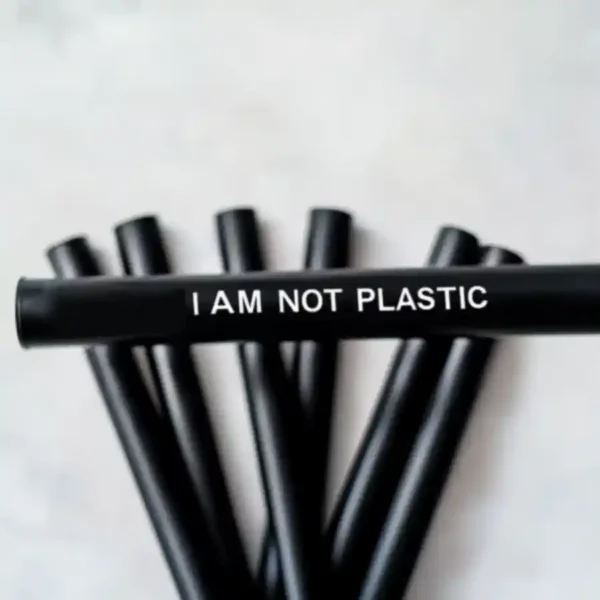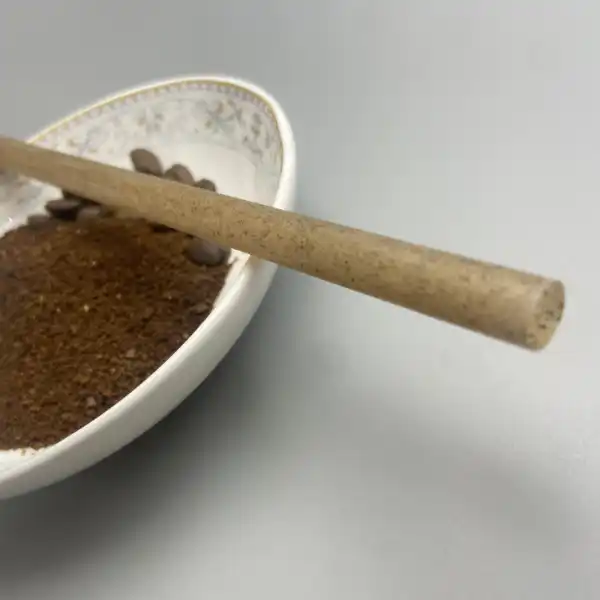

When Green Haven Café switched to compostable sugarcane straws in 2024, they reduced waste by 20% and avoided $10,000 in fines under local plastic bans. This reflects 2025 trends: 80% of consumers prefer eco-friendly straws for businesses, per the Sustainable Packaging Institute. Bulk eco-friendly straw suppliers like NatureBioEco offer certified compostable solutions to meet plastic straw alternatives 2025 while boosting profitability.
Why Sugarcane Straws Comply with 2025 Single-Use Plastic Bans
Sugarcane straws meet 2025 packaging laws by using biodegradable materials instead of banned plastics like polypropylene. They align with California’s mandate for a 25% plastic reduction by 2032 and EU recycling standards, certified home-compostable under ASTM D6400. Unlike 90% of paper straws with PFAS risks, sugarcane options use FDA-approved adhesives without harmful chemicals, per 2025 data.
Cost and Durability Advantages for Food Service Businesses

Bulk orders of compostable sugarcane straws cost $0.04 per unit (vs. $0.10 for premium paper), saving businesses like EcoBar $5,000 annually in 2024. They last 12+ hours, outperforming paper’s 30-minute sog limit, as Green Haven Café reported zero durability complaints post-switch, achieving a 20% waste reduction.
| Material | Cost/Unit | Durability | Compostable |
|---|---|---|---|
| Plastic | $0.01 | 200+ years | No |
| Paper | $0.10 | 30 min (soggy) | Partial (PFAS risks) |
| Sugarcane | $0.04 | 12+ hours | Yes (180 days, home-compostable) |
Certifications and Compliance for Eco-Conscious Restaurants
Businesses should seek FDA/EU food contact approval, BPI, and OK Compost HOME certifications for regulatory compliance. Sugarcane straws meet all four, critical for California and New York mandates under 2025 plastic straw alternatives, ensuring zero fines and enhanced sustainability.
Frequently Asked Questions About Sugarcane Straws
Q: How do sugarcane straws comply with 2025 single-use plastic bans?
Sugarcane straws meet 2025 packaging laws by using biodegradable materials instead of banned plastics like polypropylene. They align with California’s mandate for 25% plastic reduction by 2032 and EU recycling standards.
Q: Are sugarcane straws cheaper than paper or bamboo alternatives?
Yes—bulk orders cost $0.04 per unit (vs. $0.10 for premium paper). EcoBar saved $5K in 2024 by switching, while bamboo requires 3-5x more labor for cleaning.
Q: Do sugarcane straws contain PFAS \”forever chemicals\”?
No—unlike 90% of tested paper straws, sugarcane options use FDA-approved food-grade adhesives without PFAS or BPA.
Q: How does durability compare to wheat/paper options?
Sugarcane straws last 12+ hours vs. paper’s 30-minute sog limit. Green Haven Café reported zero durability complaints post-switch, achieving a 20% waste reduction.
Q: Can I compost sugarcane straws at home?
Yes—sugarcane straws decompose fully in 180 days vs. PLA’s industrial composting need, certified home-compostable per ASTM D6400 standards.
Q: What certifications matter for regulatory compliance?
Seek FDA/EU food contact approval + BPI/OK Compost HOME labels. Sugarcane meets all four—critical for California/NY mandates.
Q: How does Trump’s 2025 paper straw ban affect businesses?
Federal cafeterias now reject paper straws (linked to PFAS risks). Switch to certified biodegradable options like sugarcane to avoid fines up to $10K.
Q: Where can restaurants find bulk eco-friendly straw suppliers for sugarcane straws?
Trusted bulk eco-friendly straw suppliers like NatureBioEco offer FDA-certified, customizable compostable sugarcane straws, ensuring compliance with 2025 regulations and cost savings.
About the Author
Max Jiang, Sustainability Expert at NatureBioEco, brings over 10 years of eco-innovation experience. His work with the UNEP Circular Economy Taskforce shapes 2025 waste-reduction strategies for businesses adopting sugarcane straws. Contact Max at max@naturebioeco.com for expert guidance on sustainable straw solutions.