
How Sugarcane Straws Are Driving Positive Change in the Foodservice Industry
In a world grappling with plastic pollution, the foodservice sector is at a crucial juncture. Enter the game-changer – sugarcane straws. This isn’t just another eco-friendly alternative, but a ground-breaking solution that’s redefining sustainable foodservice practices.
Understanding the Sustainability of Sugarcane Straws
Nature-Inspired Innovation
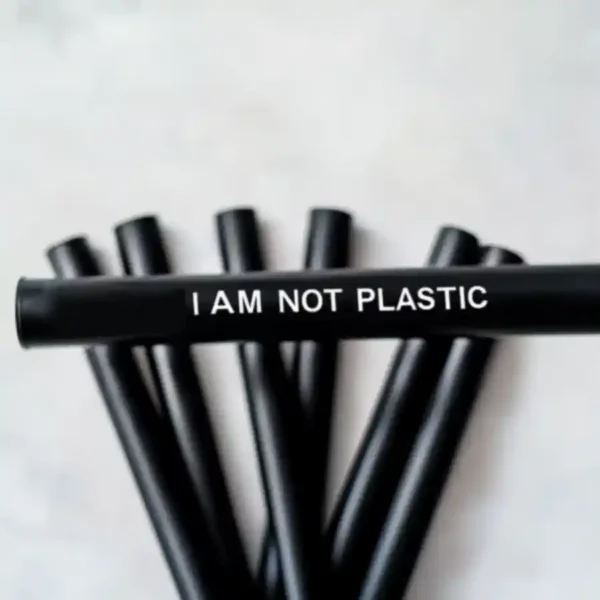
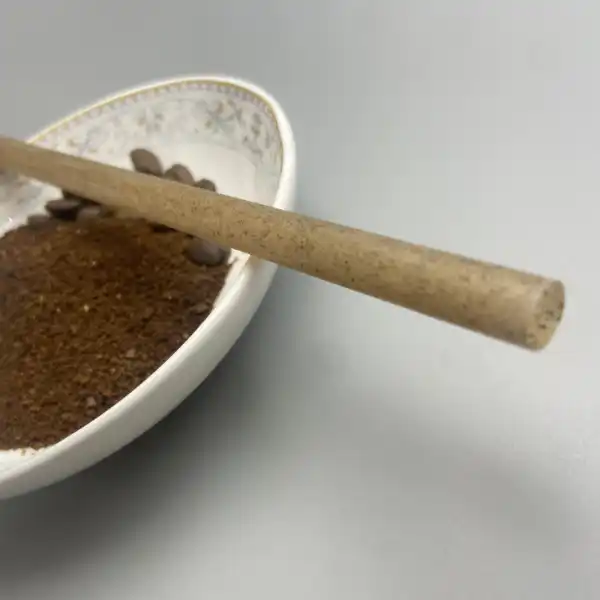
Sugarcane straws are more than just straws; they symbolize agricultural innovation. Crafted from bagasse (sugarcane pulp), these straws repurpose what was once waste. The production process offers:
- 90% less energy consumption compared to plastic production
- Absolute elimination of petroleum products
- Significantly less water usage
Decomposition: The Eco-Friendly Way
Unlike plastic straws that linger in our oceans for centuries, sugarcane straws narrate a different, more positive story:
- Completely biodegradable within 60-90 days
- Improves soil health when composted
- Leaves no toxic residue behind
Practical Applications of Sugarcane Straws in Real-World Scenarios
Fast-Food Restaurants
Explore Our Range of Sustainable Straw Solutions
Revolutionize your daily operations with straws that:
- Can endure temperatures ranging from -20°C to 50°C
- Retain structural integrity for over 4 hours in cold beverages
- Offer a natural, visually appealing aesthetic
Fine Dining & Cocktail Bars
Enhance your guest experience with:
- Improved presentation for artisanal cocktails
- Natural texture that doesn’t alter beverage flavor
- Premium, eco-friendly branding opportunity
The Economic Impact: Looking Beyond Profit Margins
Immediate Benefits
- Tax Perks: Various jurisdictions offer tax benefits for adopting sustainable practices
- Waste Minimization: Potential to reduce waste management costs by up to 30%
- Customer Retention: 73% of millennials are willing to pay a premium for eco-friendly products
Long-Term Gains
- Prepare for future regulations that may be more stringent
- Build a brand reputation rooted in sustainability
- Establish market leadership in green practices
Strategies for Implementing Sugarcane Straws
Getting Started
- Audit Present Usage
- Quantify current straw usage
- Identify periods of peak usage
- Determine storage needs
- Selecting Suppliers
- Confirm certifications
- Request product samples for evaluation
- Compare pricing options for bulk orders
- Training Staff
- Best practices for straw storage
- How to effectively communicate with customers
- Procedures for straw disposal
Highlighting Success Stories from the Industry
Case Study: Costa Coffee Brazil
Post-transition to sugarcane straws:
- Recorded 89% positive customer feedback
- Saw a 22% surge in eco-aware customers
- Achieved a 15% cut in waste management costs
Expert Recommendations for Maximizing Impact
- Optimizing Storage
- Store in cool, dry conditions
- Rotate stock efficiently
- Monitor humidity levels
- Educating Customers
- Equip staff with key sustainability messages
- Create engaging table displays
- Promote on social media platforms
- Maintaining Quality
- Conduct regular supplier audits
- Monitor customer feedback
- Track product performance
Forecasting the Future of Sugarcane Straws
The market for sugarcane straws is predicted to witness a 300% growth by 2025, propelled by:
- Tougher environmental regulations
- Rising consumer consciousness
- Advancements in production technology
Transitioning to Sugarcane Straws: Your Action Plan
- Month 1: Assessment and Strategic Planning
- Month 2: Choosing Suppliers and Product Testing
- Month 3: Employee Training and Soft Launch
- Month 4: Full-Scale Implementation and Promotional Activities
Conclusion: Be Part of the Sustainable Change
Learn More About Our Eco-Friendly Straw Solutions
Choosing sugarcane straws isn’t simply picking an alternative to plastic – it’s a declaration of your business’s commitment to sustainability. By embracing this change, you’re not merely following a trend; you’re contributing to a greener future for the foodservice industry.
Additional Resources and Reading Material
- Guidelines from the Environmental Protection Agency
- Reports from the Sustainable Restaurant Association
- Global Standards for Sustainable Packaging
This guide is periodically updated to incorporate the latest industry standards and breakthroughs in the realm of sustainable foodservice solutions.