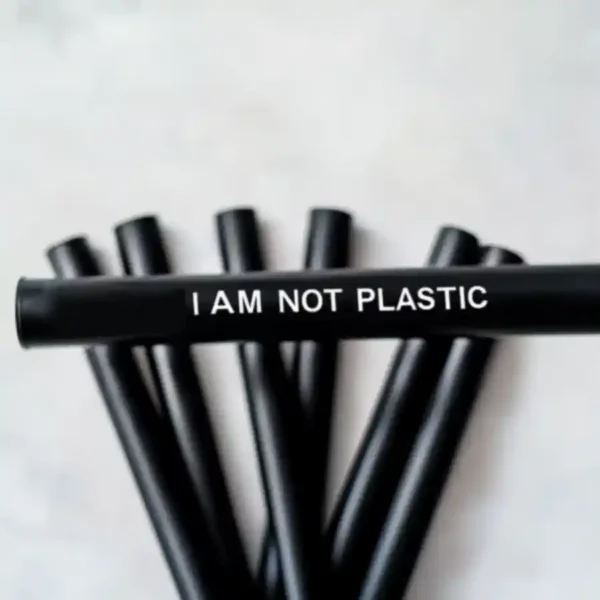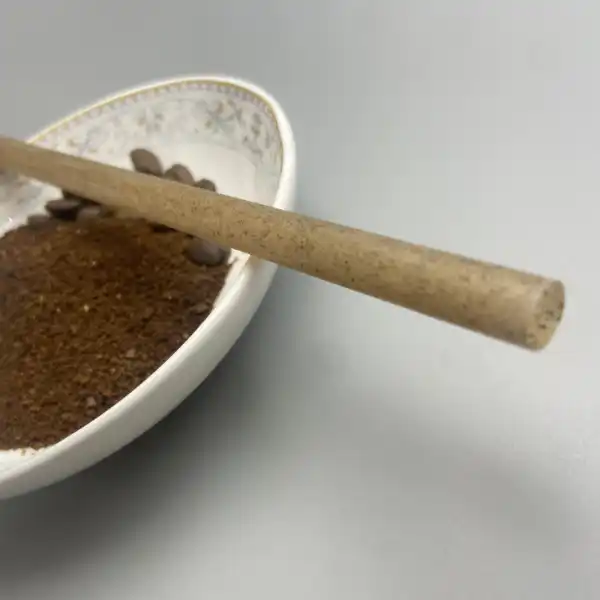

Discover how the rise of sugarcane straws is making a significant impact on the food service industry’s approach to sustainability. In this article, we’ll delve into why these biodegradable alternatives are revolutionizing the industry.
The Current Landscape of Plastic Use in the Food Service Industry
The food service industry is under scrutiny due to its heavy reliance on single-use plastics. Here are some facts to consider:
- Around 500 million plastic straws are used daily in the US alone
- Over 60 countries have now implemented restrictions on single-use plastic
- Major chains like Starbucks and McDonald’s have committed to eliminate plastic straws
Why Sugarcane Straws Stand Out in the Industry
Superior Durability and Practicality
Sugarcane straws are not just eco-friendly but also offer practical benefits:
- They can withstand hot beverages up to 185°F (85°C)
- They remain firm in ice-cold drinks for 4-6 hours without softening
- Their natural composition prevents flavor transfer
Positive Environmental Impact
The environmental benefits of sugarcane straws are impressive:
- They biodegrade in home compost within 90 days
- They are made from agricultural byproducts that would otherwise be burned
- They require 80% less energy to produce than conventional plastic straws
Cost Analysis for Food Service Businesses
Monthly Costs (10,000 straws)
Plastic:     $150
Paper:       $280
Sugarcane:   $320
While the initial cost of sugarcane straws might be higher, these straws offset costs through:
- Reduced waste management fees
- Customer retention (with 87% of customers preferring eco-conscious establishments)
- Compliance with emerging regulations
Real Restaurant Experiences with Sugarcane Straws
Restaurant owners have noted a positive response after switching to sugarcane straws:
“We switched six months ago. Our customers immediately noticed and appreciated the change. The straws hold up better than paper, and we’ve seen a 15% increase in positive reviews mentioning our sustainability efforts.”
– Sarah Chen, Owner, Pacific Bistro
Making the Switch to Sugarcane Straws

Here are some steps for businesses to make the switch:
- Start with high-volume drinks
- Train staff on sustainability messaging
- Update menu items to highlight eco-friendly practices
- Partner with local composting services
Looking Forward at the Future of Sugarcane Straws
The sugarcane straw market is evolving rapidly, with improvements in:
- Manufacturing efficiency
- Enhanced durability
- Supply chain optimization
- Price competitiveness
Take Action for Sustainability
Connect with verified suppliers through industry associations or reach out to restaurants that have successfully made the transition. The shift to sugarcane straws isn’t just about following a trend—it’s about leading the way in sustainable food service.
Frequently Asked Questions
Why should I switch to sugarcane straws?
Sugarcane straws are environmentally friendly, durable, and cost-effective in the long run. They also align with the growing consumer preference for sustainable products.
Are sugarcane straws biodegradable?
Yes, sugarcane straws can biodegrade in home compost within 90 days.
References
- Is the Sugarcane Straw the Best Choice for Sustainable Choice?
- Nature’s Alternative: Sugarcane Straws to Replace Paper Straws
- Sugarcane Straw | 100% Plant-Based Biodegradable Straws
- Sugarcane Fiber Straws: The Future of Ecological Drinks
- 500,000 sugarcane straws and counting
Sources: FDA Food Service Guidelines 2023, Environmental Protection Agency, National Restaurant Association