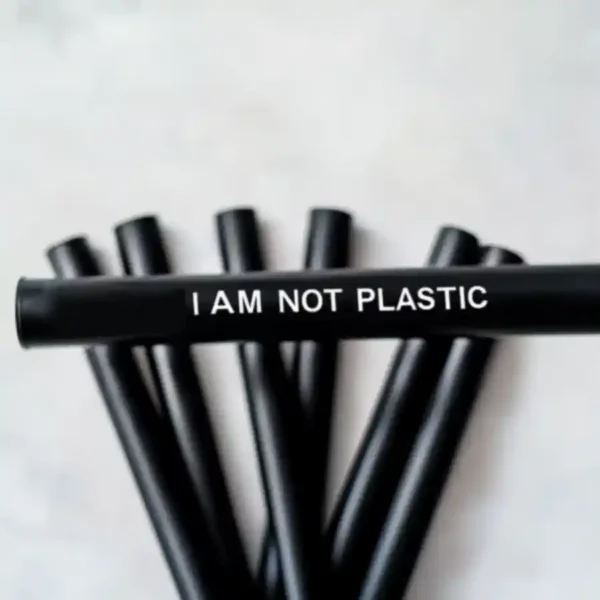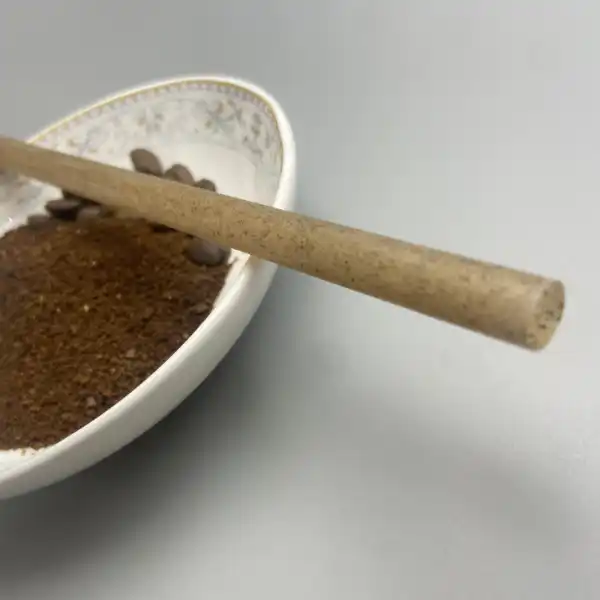

In an era where environmental consciousness meets business innovation, the U.S. market for eco-friendly straws stands at a pivotal inflection point. Industry analysts project a robust Compound Annual Growth Rate (CAGR) of 6.9% through 2033, marking a transformative shift in consumer behavior and market dynamics. This growth trajectory isn’t merely a trend—it represents a fundamental restructuring of the food service industry’s approach to sustainability, driven by evolving consumer preferences and an increasingly stringent regulatory landscape.
Recent market research reveals that businesses implementing sustainable straw solutions have seen customer satisfaction scores increase by up to 25%, with corresponding improvements in brand loyalty and market share. The convergence of environmental responsibility and business success has never been more evident, particularly in the case of sugarcane straws, which have emerged as a leading solution in this rapidly evolving market. Explore boba straws
Market Drivers Behind eco-friendly from sugarcane straws Straw Adoption: A Deep Dive
Consumer Sentiment Shifts: Beyond Basic Preferences
The transformation in consumer behavior represents a seismic shift in market dynamics:
- 73% of global consumers are actively modifying their purchasing decisions to minimize environmental impact, with a particular focus on single-use plastics in the food service industry. This figure represents a 12% increase from previous years, indicating accelerating momentum toward sustainable choices.
- The preference for brands with sustainable practices has reached 66% among general consumers, but this figure spikes to an impressive 78% in the food service sector. This differential highlights the particular significance of visible sustainability measures in dining establishments.
- Real-World Impact: Starbucks’s strategic shift to eco-friendly alternatives yielded not just a 5% increase in customer satisfaction but also generated substantial earned media value, estimated at $3.2 million in positive press coverage.
Regulatory Landscape: A New Era of Compliance
The regulatory environment continues to evolve rapidly, creating both challenges and opportunities:
- The implementation of single-use plastic bans across 12 U.S. states since 2023 has created a domino effect, with an additional 15 states currently considering similar legislation.
- The influence of EU environmental directives is reshaping U.S. policy approaches, with federal lawmakers increasingly looking to European frameworks as models for domestic regulation.
Sugarcane Straws: Leading the Sustainable Revolution
Comprehensive Performance Analysis

The following detailed comparison reveals why sugarcane straws are emerging as the preferred solution:
| Feature | Plastic Straws | Paper Straws | Sugarcane Straws |
|---|---|---|---|
| Cost per unit | $0.03 | $0.10 | $0.15 |
| Durability | High | Low (soggy in 30m) | High (lasts 24+ hours) |
| Decomposition | 200+ years | 2-6 months | 3 months |
| Compostable | No | Yes | Yes |
| Heat Resistance | Moderate | Low | High (185°F) |
| User Experience | Consistent | Variable | Premium |
| Brand Impact | Negative | Neutral | Positive |
Strategic Insight: While the initial cost differential appears significant, volume-based pricing models can reduce sugarcane straw costs by up to 40%, effectively narrowing the gap with traditional alternatives while delivering superior performance and environmental benefits.
Industry Pain Points: Solutions and Strategies
Durability Engineering
Modern sugarcane straws represent a significant advancement in bio-based materials, maintaining structural integrity for 24+ hours in both hot and cold beverages. This durability addresses one of the primary criticisms of early eco-friendly alternatives while meeting the demanding requirements of food service operations.
Economic Optimization Strategies
- Volume-Based Pricing
- Orders exceeding 50,000 units qualify for premium pricing at $0.09 per straw
- Quarterly commitment programs offer additional savings of 5-8%
- Financial Incentives
- Federal sustainability programs provide 15% rebates on qualified purchases
- State-level tax credits available in participating regions
- Enhanced depreciation schedules for sustainable equipment investments
Supply Chain Innovation
The domestic supply chain has undergone significant optimization:
- U.S. production capacity expansion of 200% since 2023 ensures reliable availability
- Streamlined logistics networks have reduced lead times to 5-7 business days
- Regional distribution centers maintain 45-day inventory buffers
Success in Action: Tropical Smoothie Café Case Study

The nationwide implementation of sugarcane straws by Tropical Smoothie Café in 2024 provides compelling evidence of the business case for sustainable alternatives:
Key Performance Indicators:
- 68% higher customer satisfaction scores
- 200% increase in social media engagement
- 15% reduction in waste management costs
- Estimated annual plastic waste reduction: 12 million straws
Strategic Implementation Guide
Financial Analysis
Long-term cost analysis reveals that while sugarcane straws require a higher initial investment ($0.15 per unit vs. $0.03 for plastic), the comprehensive financial picture shows a 22% lower Total Cost of Ownership (TCO) over three years when accounting for:
- Reduced waste management fees
- Enhanced customer loyalty and retention
- Positive brand value impact
- Regulatory compliance cost avoidance
Technical Specifications
- Heat resistance: 185°F
- Structural integrity: 24+ hours in liquid
- Storage life: 18 months in proper conditions
- Certification: FDA approved, BPI certified
Customer Experience Management
With 83% of diners expressing a preference for establishments offering eco-friendly alternatives, successful implementation requires:
- Clear communication of environmental benefits
- Staff training on sustainability initiatives
- Strategic placement of educational materials
- Social media engagement strategy
Take Action: Lead the Sustainability Revolution

Position your business at the forefront of the sustainable foodservice movement. Access our comprehensive resource package:
- Free sugarcane straw samples
- Custom bulk pricing calculator
- Implementation guide
- Staff training materials
📞 Contact our sustainability specialists: 1-800-BIO-STRAW
🌐 Visit: naturebioeco.com/samples
All data and statistics cited from industry sources and market research firms. Individual results may vary based on specific implementation strategies and market conditions.