
Introduction
The hospitality industry is experiencing a substantial shift towards sustainable practices, notably reducing single-use plastic products. In this post, we explore sugarcane straws as an eco-friendly alternative, their advantages, environmental impact, cost comparison with plastic straws, and tips for transitioning your business to these sustainable straws.
Why Choose Sugarcane Straws?
What Are Sugarcane Straws?
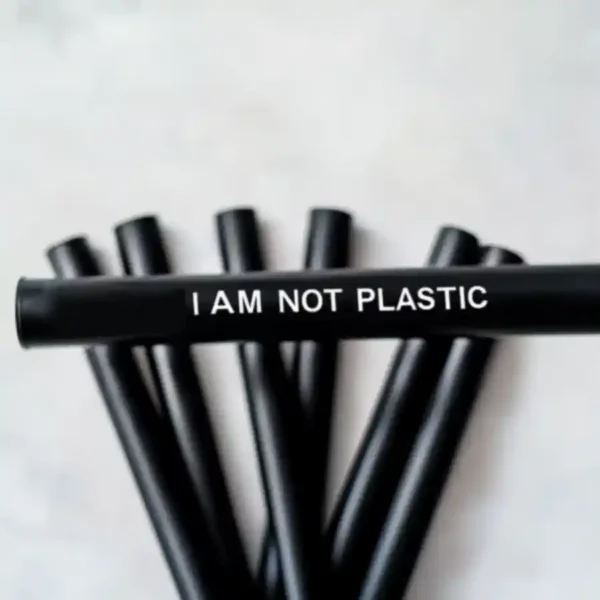
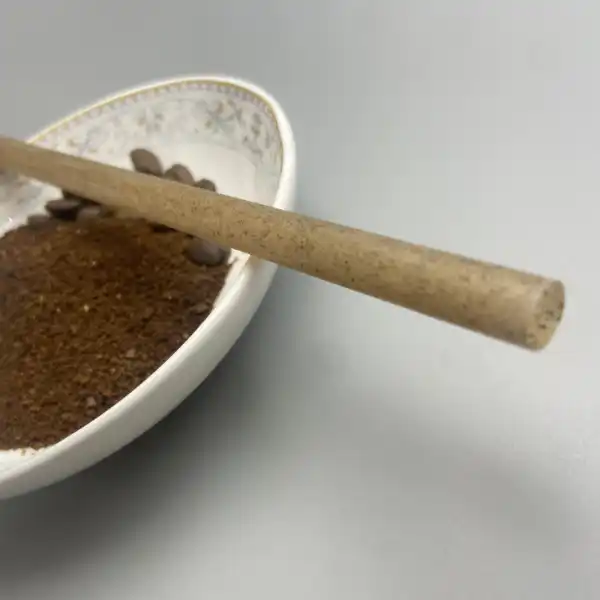
Sugarcane straws are made from the renewable resource bagasse— a byproduct of sugarcane processing—offering a sustainable alternative to traditional straws.

Advantages of Sugarcane Straws in the Foodservice Industry
-
- Environmental Benefits: Fully biodegradable, compostable, and toxin-free, sugarcane straws reduce CO2 emissions and do not contribute to plastic waste.

- Consumer Appeal: Durable and neutral in taste, sugarcane straws enhance the beverage experience without imparting any off-flavors.
- Cost-Effective Solution: Though initial cost may be higher, long-term financial benefits include reduced waste management costs and increased customer loyalty.
Environmental Impact of Sugarcane Straws
Sugarcane straws decompose within months compared to plastic straws, which take centuries to break down. The reduction in plastic straws protects marine wildlife from plastic debris.
Cost Comparison: Sugarcane Straws vs. Plastic Straws

While the initial cost of sugarcane straws can vary, long-term financial benefits include reduced waste management costs, enhanced brand reputation, and long-term savings due to less frequent replacements.
Finding and Choosing Sugarcane Straw Suppliers
Factors to Consider
- Quality and Durability: Choose suppliers offering high-quality, durable straws that meet biodegradable standards.
- Sustainability Practices: Opt for suppliers who emphasize sustainable practices in their production process.