Introduction: Understanding the Importance of Eco-Friendly Straws
Exploring the Environmental Impact of Single-Use Plastic Straws
Single-use plastic straws have become a significant environmental problem. They are often used for a few minutes but take hundreds of years to decompose. As a result, they contribute to the growing issue of plastic pollution, harming wildlife and marine ecosystems. Understanding this impact is crucial for motivating individuals and businesses to switch to eco-friendly alternatives.
The Rise of Plastic Pollution and its Consequences
Plastic straws are among the top items found during beach cleanups, indicating their prevalence in our waste streams. They break down into microplastics, which can be ingested by marine animals, leading to injury or death. This pollution also affects human health as microplastics enter the food chain.
Public Awareness and Shifting Consumer Behavior Towards Sustainability
Increasing awareness of plastic pollution has led to a shift in consumer behavior. More people are seeking sustainable alternatives, and businesses are responding by offering eco-friendly products. This growing demand is driving innovation and the development of various sustainable straw options.

Embracing Eco-Friendly Alternatives: The Role of Sustainable Straws
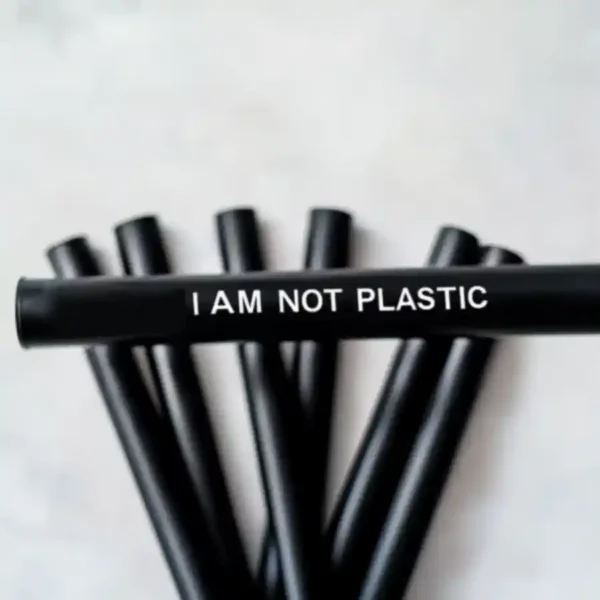
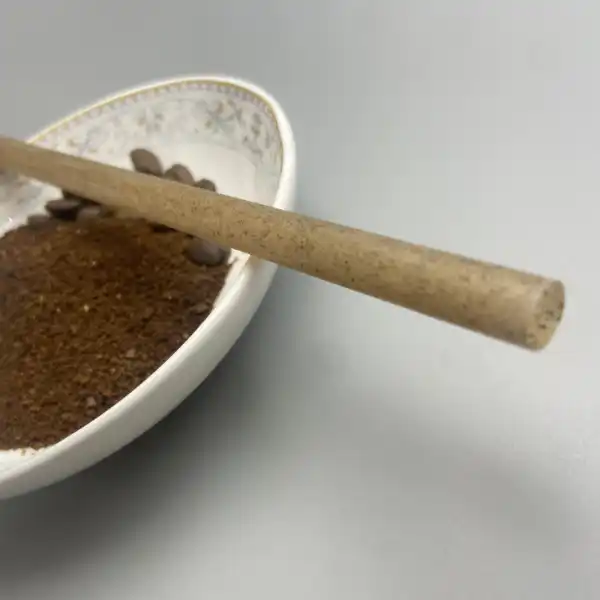
Eco-friendly straws play a vital role in reducing plastic waste. By choosing sustainable materials, individuals and businesses can significantly lower their environmental footprint. These straws are designed to be biodegradable, reusable, or even edible, providing multiple options for different needs and preferences.
Benefits of Adopting Eco-Friendly Straw Options
Switching to eco-friendly straws helps reduce plastic waste, protect marine life, and promote a culture of sustainability. It also supports the market for green products, encouraging further innovation and availability.
Trends in Eco-Conscious Consumer Choices
Consumers are increasingly prioritizing products that align with their values. This trend is evident in the growing market for eco-friendly products, including sustainable straws. Businesses that adopt and promote these products can attract and retain environmentally conscious customers.

Why Choose Eco-Friendly Straws: Advantages and Options
Environmental Benefits of Eco-Friendly Straws
Eco-friendly straws offer several environmental advantages over traditional plastic straws. They help reduce the amount of plastic waste that ends up in oceans and landfills, thereby minimizing harm to marine life and ecosystems. By opting for sustainable materials like bamboo, stainless steel, glass, silicone, or paper, individuals can contribute to the preservation of the environment while enjoying their favorite beverages guilt-free.
Types of Eco-Friendly Straw Materials
- Bamboo Straws: Made from natural bamboo fibers, these straws are biodegradable, renewable, and durable. They offer a rustic charm and are ideal for both hot and cold drinks.
- Stainless Steel Straws: Known for their durability and reusability, stainless steel straws are perfect for long-term use. They are easy to clean, dishwasher-safe, and come in various lengths and diameters to suit different drink types.
- Glass Straws: Elegant and stylish, glass straws provide a sophisticated alternative to plastic. They are non-toxic, easy to clean, and resistant to staining or retaining odors. Plus, they are safe for hot beverages like coffee or tea.
- Silicone Straws: Flexible and soft to the touch, silicone straws are great for individuals with sensitive teeth or children. They are dishwasher-safe, heat-resistant, and can be folded or bent for convenient storage and transport.
- Paper Straws: Compostable and disposable, paper straws offer a sustainable solution for single-use applications. They are available in a variety of colors and designs, making them suitable for parties, events, and hospitality settings.
- Edible Straws: Made from edible materials like rice, wheat, or pasta, edible straws provide a fun and innovative way to enjoy drinks without generating waste. They are typically crunchy and biodegradable, offering a unique drinking experience.

FAQs: Addressing Common Concerns About Eco-Friendly Straws
- What are the best materials for eco-friendly straws?
- The best materials depend on individual preferences and needs. Bamboo, stainless steel, glass, and silicone are popular choices due to their durability and reusability.
- How can I clean and maintain eco-friendly straws?
- Most eco-friendly straws are dishwasher-safe or can be easily cleaned with a brush and soapy water. It’s essential to thoroughly dry them after washing to prevent mold or bacteria growth.
- Are there any health concerns associated with eco-friendly straw materials?
- Eco-friendly straw materials are generally safe for use. However, individuals with specific allergies should be cautious, especially when using bamboo or wheat-based straws.
- Where can I purchase eco-friendly straws in bulk?
- Eco-friendly straws are available online through various retailers specializing in sustainable products. Additionally, local eco-friendly stores or zero-waste shops may carry them in bulk.
- What are the cost differences between eco-friendly straws and plastic straws?
- While eco-friendly straws may have a higher upfront cost, their long-term durability and reusability often make them a more economical choice compared to single-use plastic straws.
- How can businesses transition to using eco-friendly straws?
- Businesses can transition to eco-friendly straws by sourcing sustainable alternatives, educating customers about the benefits, and offering incentives for using reusable options.
- Are there any regulations or certifications for eco-friendly straw products?
- Some eco-friendly straw manufacturers may have certifications or comply with specific regulations related to sustainability and environmental impact. Consumers can look for labels such as “compostable,” “biodegradable,” or “FDA-approved” when purchasing eco-friendly straws.

Benefits of Using Eco-Friendly Straws in Various Settings
Eco-Friendly Straws for Individuals
Enhancing Personal Sustainability Practices
Using eco-friendly straws is a simple yet effective way for individuals to enhance their personal sustainability practices. By incorporating these straws into daily routines, people can significantly reduce their plastic waste and contribute to a cleaner environment.
Making Conscious Choices for a Greener Lifestyle
Adopting eco-friendly straws encourages individuals to make more conscious choices in other areas of their lives. This small change can lead to broader environmental awareness and a greater commitment to sustainability.
Eco-Friendly Straws for Businesses
Meeting Corporate Social Responsibility Goals
Businesses can use eco-friendly straws to meet their corporate social responsibility (CSR) goals. By offering sustainable alternatives, companies demonstrate their commitment to environmental stewardship, which can enhance their reputation and customer loyalty.
Appealing to Environmentally-Conscious Customers
Offering eco-friendly straws can attract environmentally-conscious customers. These consumers are more likely to support businesses that align with their values, leading to increased customer satisfaction and loyalty.
Eco-Friendly Straws for Events and Hospitality
Reducing Environmental Footprint at Parties and Gatherings
Eco-friendly straws are perfect for events and hospitality settings, where single-use plastic straws are commonly used. By switching to sustainable alternatives, event organizers can significantly reduce their environmental footprint and promote a green message.
Providing Sustainable Options for Guests and Clients
Offering eco-friendly straws in hospitality settings, such as hotels and restaurants, provides guests with sustainable options and enhances the establishment’s eco-friendly image. This practice can also educate clients about the importance of sustainability.

Making the Switch: Practical Tips for Choosing Eco-Friendly Straws
Assessing Personal Preferences and Needs
Identifying Key Factors: Durability, Reusability, and Aesthetics
When choosing eco-friendly straws, it’s important to consider factors such as durability, reusability, and aesthetics. Different materials offer various benefits, so selecting the right type depends on personal preferences and intended use.
Considering Practicality: On-the-Go Use and Cleaning Requirements
For those who are always on the go, portable and easy-to-clean options like stainless steel or silicone straws might be the best choice. These materials are convenient for travel and daily use.
Exploring Product Options and Availability
Researching Brands and Suppliers
Researching brands and suppliers is crucial to finding high-quality eco-friendly straws. Look for companies that prioritize sustainability and transparency in their production processes.
Reading Reviews and Comparing Features
Reading reviews and comparing features can help in making an informed decision. Customer feedback provides insights into the practicality, durability, and overall satisfaction with different types of straws.
Implementing Eco-Friendly Practices in Daily Life
Incorporating Eco-Friendly Straws into Daily Routines
Incorporating eco-friendly straws into daily routines is a simple step towards a more sustainable lifestyle. Keep a set of reusable straws at home, in the car, or in your bag to ensure you always have an eco-friendly option on hand.
Spreading Awareness and Encouraging Others to Make the Switch
Educating friends, family, and colleagues about the benefits of eco-friendly straws can help spread awareness and encourage others to make the switch. Sharing personal experiences and recommendations can be particularly effective.

Environmental Impact and Sustainability: Beyond Eco-Friendly Straws
Understanding the Lifecycle of Eco-Friendly Products
Manufacturing Processes and Resource Consumption
Understanding the lifecycle of eco-friendly products involves considering their manufacturing processes and resource consumption. Sustainable products should minimize environmental impact throughout their lifecycle, from production to disposal.
End-of-Life Disposal and Decomposition
The end-of-life disposal and decomposition of eco-friendly straws are crucial factors in their sustainability. Compostable and biodegradable materials are preferred as they break down naturally and do not contribute to long-term pollution.
Advocating for Sustainable Practices Beyond Straw Usage
Supporting Legislation and Policy Changes
Advocating for sustainable practices involves supporting legislation and policy changes that promote environmental protection. This can include regulations on single-use plastics and incentives for using eco-friendly products.
Participating in Community Clean-Up Efforts and Conservation Initiatives
Participating in community clean-up efforts and conservation initiatives can make a significant difference in protecting the environment. These activities raise awareness, reduce pollution, and foster a sense of community responsibility.