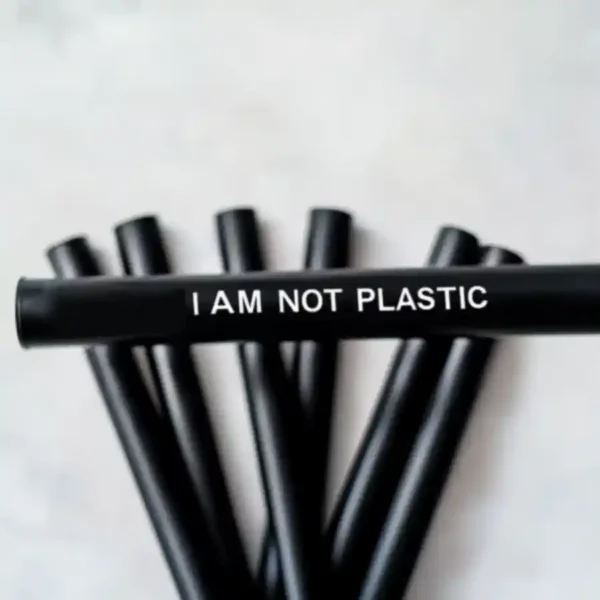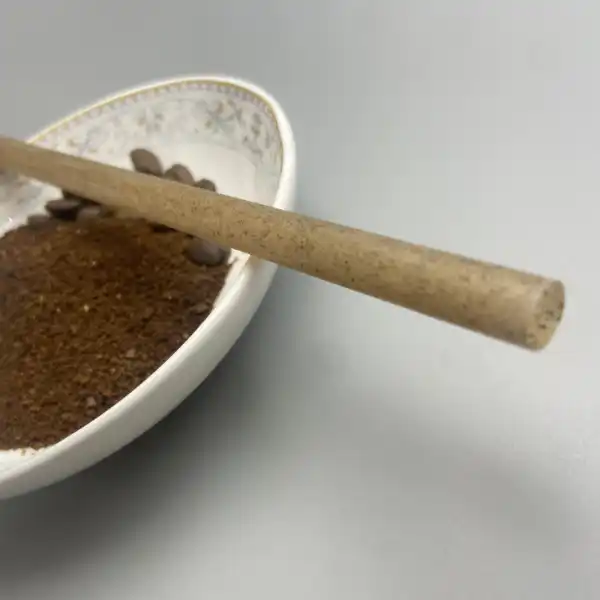
As the intersection of environmental responsibility and business innovation evolves, the rise of sugarcane straws as a revolutionary solution is undeniable. Explore why these sustainable alternatives are gaining momentum among industry leaders globally.

The Science of Eco-Friendly Sugarcane Straws
Sugarcane straws, a significant evolution in eco-engineering, are crafted from bagasse, a fibrous by-product of sugarcane juice extraction. This innovative approach gives a second life to what was previously agricultural waste. The manufacturing process is notable for:
- Requiring 90% less water than paper straw production
- Being tree-free
- Minimal chemical processing
Environmental Impact of Sugarcane Straws: More than Just Biodegradability
Decomposition Timeline of Sugarcane Straws:
- In a natural environment: 60-90 days
- Commercial composting: 30-45 days
- Marine environment: 3-4 months
In contrast to plastic straws that linger for over 200 years, sugarcane straws decompose without leaving any microplastic residue, making them truly safe for the ocean.

Economic Benefits of Sugarcane Straws for Businesses
Cost Analysis of Different Straws (per 1000 units):
- Plastic straws: $8-12
- Paper straws: $25-35
- Sugarcane straws: $30-40
- Metal straws: $1,500-2,000
While the initial cost of sugarcane straws is higher than plastic, the return on investment includes:
- Increased brand value
- Boosted customer loyalty
- Regulatory compliance
- New marketing opportunities
Performance Evaluation of Sugarcane Straws
Durability Test Results:
- Hot beverages (185°F): Lasts over 4 hours
- Cold beverages: Over 12 hours
- Smoothies: More than 3 hours
- Alcoholic drinks: Up to 8 hours
Applications of Sugarcane Straws Across Industries
In the Food Service & Hospitality Sector:
- Premium restaurants can use them to highlight their sustainability efforts
- Hotels can incorporate them into their green initiatives
- Bars can incorporate them into their craft cocktail presentations
For Events & Catering:
- Wedding planners can cater to increasing demand
- Corporate events can use them as a testament to their environmental commitment
- Festival organizers can cut down clean-up costs and environmental impact
Achieving Supply Chain Excellence with Sugarcane Straws
Key Certifications for Sugarcane Straws:
- FDA Approval
- ISO 14851 Biodegradability
- EN13432 Compostability
- ASTM D6400 Standards
- BPI Certification
Best Practices for Sourcing Sugarcane Straws:
- Establishing direct partnerships with manufacturers
- Ensuring third-party quality testing
- Obtaining chain of custody documentation
- Conducting regular supplier audits
Implementation Strategy for Sugarcane Straws in Your Business
- Pilot Program:
- Initiate a 30-day trial
- Collect customer feedback
- Monitor operational impacts
- Calculate real-world costs
- Full Implementation:
- Provide staff training on sustainability messaging
- Develop a marketing campaign
- Integrate into the supply chain
- Monitor performance

Future-Proof Your Business with Sugarcane Straws
The global market for sustainable straws is expected to reach $4.95 billion by 2027, with sugarcane straws driving this growth. Businesses that adopt this innovation early will:
- Gain market leadership
- Establish solid supplier relationships
- Develop operational expertise
- Create competitive advantages
Measurable Impact of Sugarcane Straws on Business
Businesses that have adopted sugarcane straws have reported:
- A 15-25% increase in customer satisfaction
- A 30% decrease in environmental impact
- A 40% improvement in brand perception
- A 20% increase in repeat business from environmentally conscious consumers
Sugarcane straws are not just an eco-friendly alternative to plastic—they’re a strategic business decision that balances profitability with sustainability. As regulations become stricter and consumer awareness rises, businesses that embrace this innovation will be well-positioned for future success.
For more information, reach out to certified sustainable packaging consultants or industry associations specializing in eco-friendly alternatives.