Compostability: The Path to a Sustainable Future
Introduction
Compostability, a term that has become increasingly prominent in sustainability discourse, refers to the ability of materials to decompose into nutrient-rich soil under specific conditions[^1^]. Grasping this concept is vital as it offers a promising solution to reducing our environmental impact and fostering a sustainable world.
Comprehending Compostability
Compostable materials, essentially organic substances, decompose into a humus-like substance, known as compost, through a natural process involving heat, water, oxygen, and microorganisms[^1^]. This compost can then be utilized to enrich the soil and stimulate plant growth, thereby completing a natural cycle[^2^]. The value of compostability lies in its potential to revolutionize waste management, minimize landfill use, and contribute to a sustainable, circular economy.
Compostable vs. Biodegradable: Distinguishing the Difference
Although the terms compostable and biodegradable are often used synonymously, they denote different processes. Biodegradable materials disintegrate into smaller fragments over time, potentially leaving behind microplastics or toxic residues[^1^]. Conversely, compostable materials undergo a more thorough transformation, converting into nutrient-rich compost that benefits the soil[^1^]. Understanding this distinction is crucial when making environmentally conscious choices.
The Environmental Advantages of Compostable Materials
Compostable materials offer numerous environmental benefits. They aid in reducing landfill waste and decreasing greenhouse gas emissions, as composting emits less methane than traditional waste decomposition[^1^]. Furthermore, compostable materials contribute to a circular economy, where resources are continually utilized and reused, minimizing waste[^4^]. The resulting compost also enriches the soil, enhancing its structure, moisture retention, and nutrient content, which fosters healthy plant growth[^2^].
Effective Disposal of Compostable Waste
Effective disposal is essential to harness the benefits of compostable materials. Composting facilities, which provide the necessary conditions for composting, play a pivotal role[^2^]. However, home composting is also a feasible option. It’s crucial to compost only suitable materials, maintain the right balance of green and brown materials, and regularly turn the compost to ensure sufficient oxygen[^2^]. Avoiding common mistakes, such as composting diseased plants or not maintaining the correct moisture level, can help ensure successful composting[^2^].
Compostable Products in the Marketplace
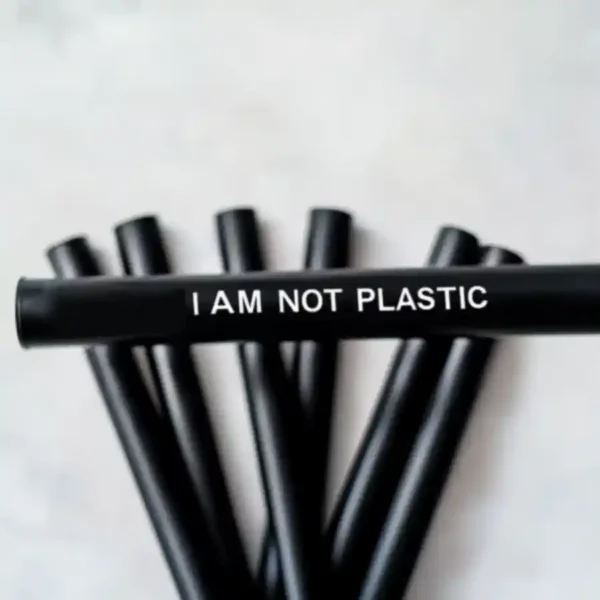
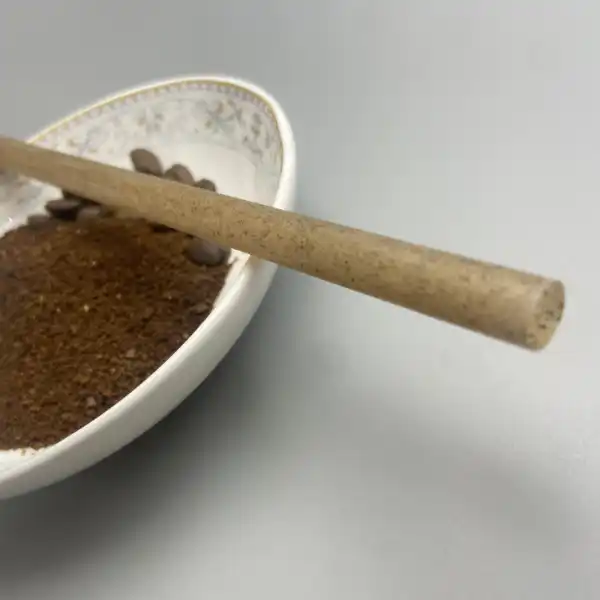
Today, a wide array of compostable products is available, ranging from food packaging and utensils to bags and even certain electronics[^1^]. To determine if a product is compostable, look for labels or certifications indicating its compostability[^3^]. These products play a crucial role in promoting sustainability, enabling consumers to reduce their waste and environmental impact.
Compostable Certifications: Indicators of Authenticity
Certifications play a significant role in verifying a product’s compostability. Reliable certifications include the BPI (Biodegradable Products Institute) certification in the U.S. and the EN13432 standard in Europe[^3^]. When purchasing products, look for these certifications on the packaging[^3^].
Composting and the Circular Economy
A circular economy aims to minimize waste and maximize resource utilization. It is a regenerative system in which resource input, waste, emission, and energy leakage are minimized by slowing, closing, and narrowing energy and material loops[^4^]. Composting plays a critical role in this system, transforming organic waste back into valuable resources[^4^].
NatureBioEco: Pioneering Compostable Materials
Companies like NatureBioEco are leading the way in the use of compostable materials. Through their sustainability initiatives, they are demonstrating how businesses can contribute to a more circular economy and sustainable future[^5^].
Overcoming Challenges in Compostability
Despite its benefits, there are challenges in implementing composting practices, including lack of awareness, inadequate infrastructure, and varying composting standards[^6^]. However, these challenges can be surmounted through education, investment in composting facilities, and the establishment of clear, universal standards[^6^]. The role of consumers, businesses, and policymakers is critical in promoting compostability and achieving sustainability goals[^6^].
Conclusion
In conclusion, compostability is a pivotal aspect of sustainability. By understanding the concept and making informed choices, we can reduce waste, enrich our soils, and contribute to a more circular economy. It’s time for all of us to consider the role of compostable materials in our daily lives.
Frequently Asked Questions
- What does “compostable” mean?
- Compostable materials are organic substances that can decompose into a humus-like material, known as compost, through a natural process involving heat, water, oxygen, and microorganisms[^1^].
- How is compostable different from biodegradable?
- Biodegradable materials simply break down into smaller pieces over time, potentially leaving behind microplastics or toxic residues. Compostable materials, on the other hand, turn into nutrient-rich compost that benefits the soil[^1^].
- What are the benefits of using compostable materials?
- Compostable materials help to reduce landfill waste, lower greenhouse gas emissions, contribute to a circular economy, and enrich the soil to promote healthy plant growth[^1^][^4^].
- How can I properly dispose of compostable waste?
- Compostable waste can be disposed of at composting facilities or through home composting. It’s important to only compost suitable materials, maintain the right balance of green and brown materials, and regularly turn the compost to ensure adequate oxygen[^2^].
- What products are considered compostable?
- Many products are compostable, from food packaging and utensils to bags and even some electronics. Look for labels or certifications indicating a product’s compostability[^1^][^3^].
- Is composting effective for all types of compostable materials?
- While many materials are compostable, the conditions required for composting can vary. Some materials may require industrial composting facilities, while others can be composted at home[^2^].
- What certifications indicate a product is truly compostable?
- Reliable certifications include the BPI (Biodegradable Products Institute) certification in the U.S. or the EN13432 standard in Europe[^3^].
- How does composting contribute to a circular economy?
- Composting transforms organic waste back into valuable resources, minimizing waste and making the most of resources. This contributes to a circular economy, where waste is minimized by continually using and reusing resources[^4^].
References
[^1^]: “Compostable vs Biodegradable, What’s the Difference?” Renouvo, https://renouvo.net/biodegradable-compostable/compostable-meaning/
[^2^]: “Understanding composting” Environmental Protection Agency, https://www.epa.gov/recycle/composting-home
[^3^]: “Compostable Certifications and What They Mean” BioBag, https://biobagusa.com/certifications/
[^4^]: “The importance of a circular economy” World Economic Forum, https://www.weforum.org/agenda/2020/01/what-is-the-circular-economy/
[^5^]: “NatureBioEco: Sustainability Initiatives” NatureBioEco, https://www.naturebioeco.com/sustainability-initiatives
[^6^]: “Challenges and Opportunities in the Compostable Plastics Market” Frost & Sullivan, https://ww2.frost.com/frost-perspectives/challenges-and-opportunities-in-the-compostable-plastics-market/