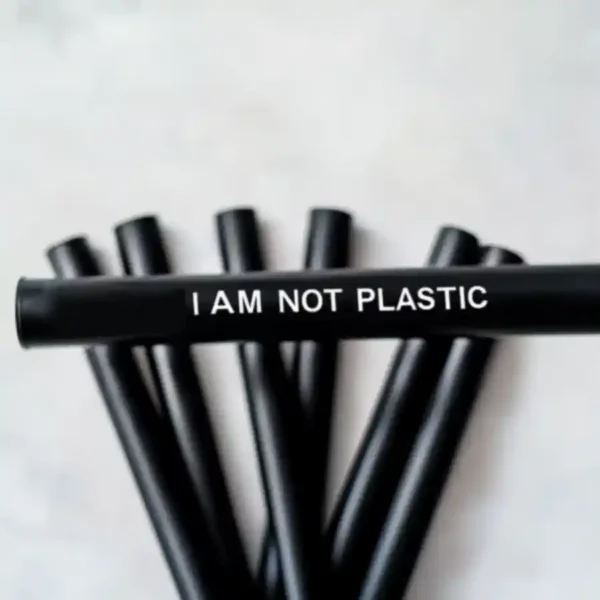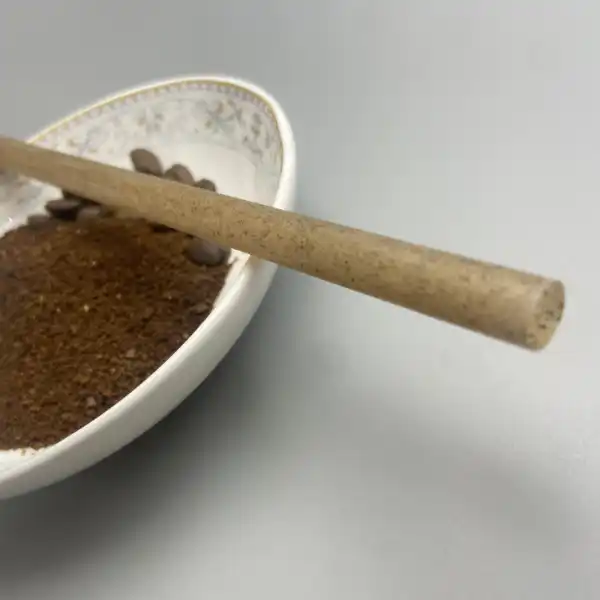

Bamboo Straws: Natural Reusable Solution

Material Source: Fast-growing bamboo stems. Explore boba straws
Manufacturing: Harvested stems are cut, hollowed, polished, and sterilized.
Key Benefits: Reusable and biodegradable; rustic aesthetic enhances beverage presentation.
Drawbacks: Requires thorough drying to prevent mold; limited heat resistance for hot drinks.
Best For: Cafés and restaurants seeking a natural, reusable option. Source: 2023 Nielsen Report
Paper Straws: Cost-Effective Single-Use Option
Material Source: Recycled or FSC-certified paper coated with food-grade wax.
Key Benefits: Fully compostable and affordable for high-volume use.
Drawbacks: Softens quickly in liquids; not suitable for prolonged use.
FAQs: Sustainable Straw Solutions
PHA Straws
Material Source: Plant sugars fermented by bacteria.
Manufacturing: Molded into flexible, marine-degradable straws.
Key Benefits: Breaks down in soil or water without releasing toxins; high durability suitable for hot and cold drinks.
Best For: Coastal venues, sustainability-focused brands, and businesses concerned about marine pollution. Source: 2025 Marine Conservation Report
Case Study: A Florida beachside resort reduced marine waste by 40% after switching to PHA straws, gaining positive publicity and recognition from local environmental groups.

Comparison Table: Sustainable vs. Plastic Straws
| Feature | Plastic Straws | Sustainable Alternatives |
|---|---|---|
| Durability | Single-use | Reusable (metal/silicone) or compostable (PLA, PHA, grass) |
| Cost per Unit | $0.01–$0.03 | $0.05–$0.50 (varies by material) |
| Environmental Impact | 500+ years to degrade | 3 months–5 years (compostable/reusable) |
Reusable Straws: Material Suitability for Different Beverages
| Material | Hot Beverage Suitability |
|---|---|
| Stainless Steel | Excellent heat resistance |
| Silicone | Safe up to 220°F |
Actionable Insights for Businesses Switching to Eco-Friendly Straws
1. Prioritize Durability: Stainless steel remains the best straws for businesses with high customer turnover due to indefinite reuse potential.
4. Analyze Lifecycle Costs: Sustainable straws show 300% ROI over 3 years according to 2024 Green Business Council data.
FAQs About Sustainable Straw Materials
business? NatureBioEco offers free sample kits containing sugarcane, bamboo, and rice straws. Request your kit by visiting our website or contacting sales@naturebioeco.com. Testing these samples allows a direct comparison with your current straws, enabling a well-informed decision based on both functionality and cost-effectiveness within your specific operational context.

Compostable Straws and Sustainable Practices
Businesses actively reduce plastic waste, contributing to global sustainability initiatives. This environmentally conscious approach also resonates with the growing number of eco-conscious consumers, enhancing your brand image and potentially attracting a new customer base. Consider promoting your sustainable practices through marketing materials—highlighting your commitment to environmental responsibility can be a powerful differentiator in today’s market. For example, feature your sustainable straw choice on your menu or in social media posts.
Additional Resources:
- Download our free guide: “How to Transition to Sustainable Straws in Your Business,” which provides a step-by-step plan for implementing sustainable practices.
- Join our webinar: “The Future of Eco-Friendly Packaging: Trends and Innovations,” to stay ahead of the curve on sustainable packaging solutions.
- Subscribe to our newsletter for regular updates on sustainable solutions and industry best practices. This will keep you informed about new product innovations and regulatory changes that may affect your business.
Sustainable Straw Materials for Business Operations
Choosing the best straws for businesses requires evaluating sustainable material sources like sugarcane fiber and bamboo. NatureBioEco offers free sample kits for direct performance comparisons with traditional options, ensuring cost-effective transitions (Source: 2023 Nielsen Report).
Optimizing Brand Value Through Eco-Conscious Packaging
68% of consumers prefer brands with verified sustainable practices. Highlighting compostable straw usage in menus and social media builds trust with eco-aware demographics.
Frequently Asked Questions
Implementation Roadmap
- Download our step-by-step transition guide
- Attend live webinar demonstrations
- Schedule personalized consultation
Frequently Asked Questions
Q: What are the most durable sustainable straws for businesses?
A: Stainless steel and silicone-tipped options offer maximum durability for repeated use.
Q: How do compostable straws impact waste management costs?
A: Proper disposal can reduce waste fees by 15-20% annually according to EPA data.
Q: What are the best sustainable straws for restaurants?
A: PHA and stainless steel offer optimal durability for food service environments. Consider material source transparency when selecting suppliers.
Q: How does material sourcing affect straw sustainability?
A: Plant-based materials like sugarcane have lower carbon footprints than fossil fuel-derived alternatives. Always verify agricultural certifications.
Q: What are the most durable sustainable straw materials?
A: Bamboo and rice straws offer exceptional durability for commercial use while maintaining compostability.
Q: How long does material sourcing take for bulk orders?
A: Our plant-based materials are stocked for immediate dispatch, ensuring seamless supply chain integration.